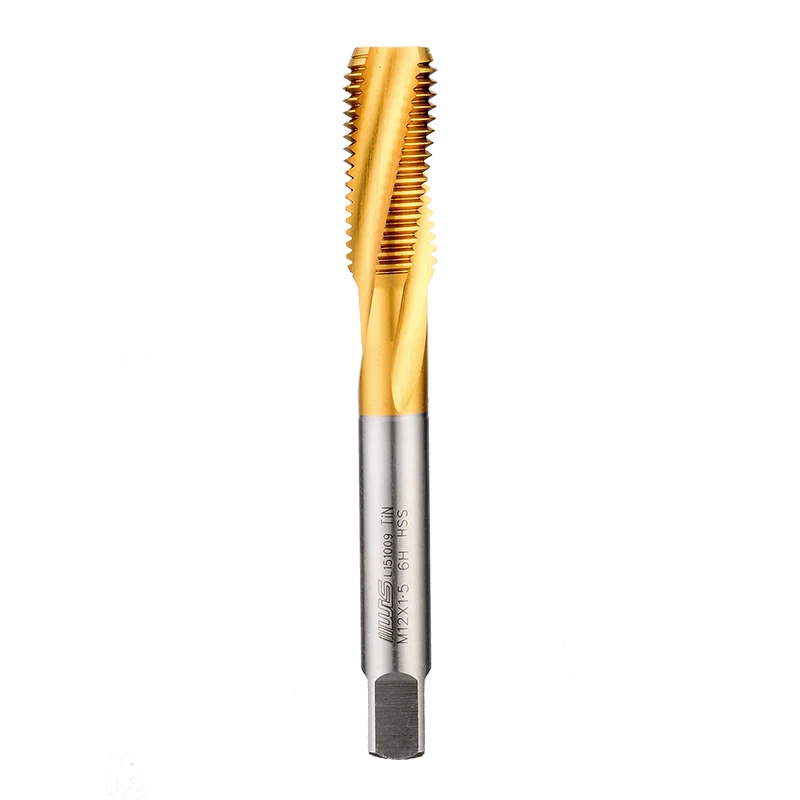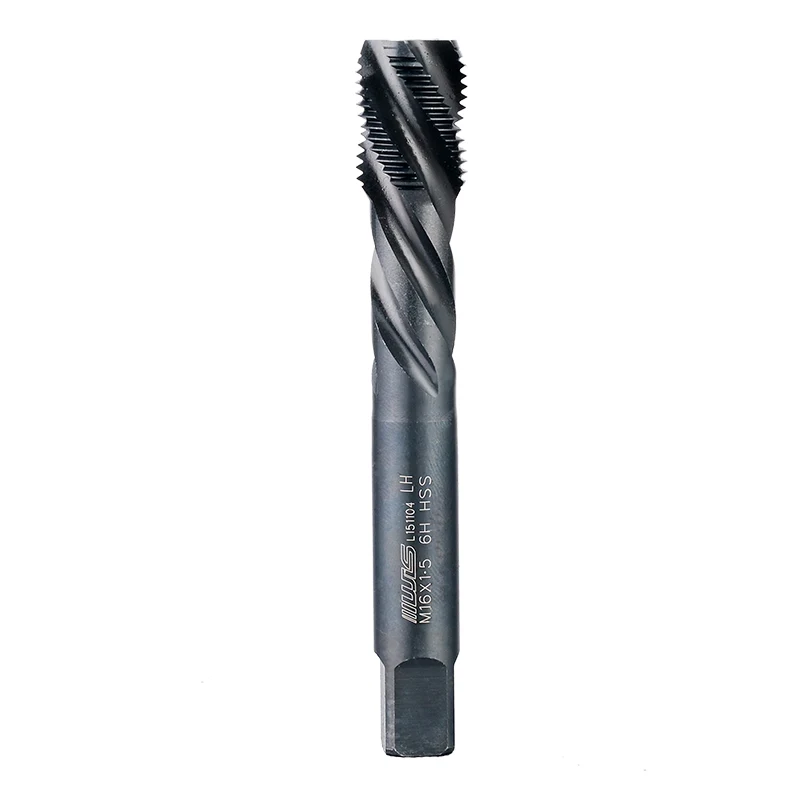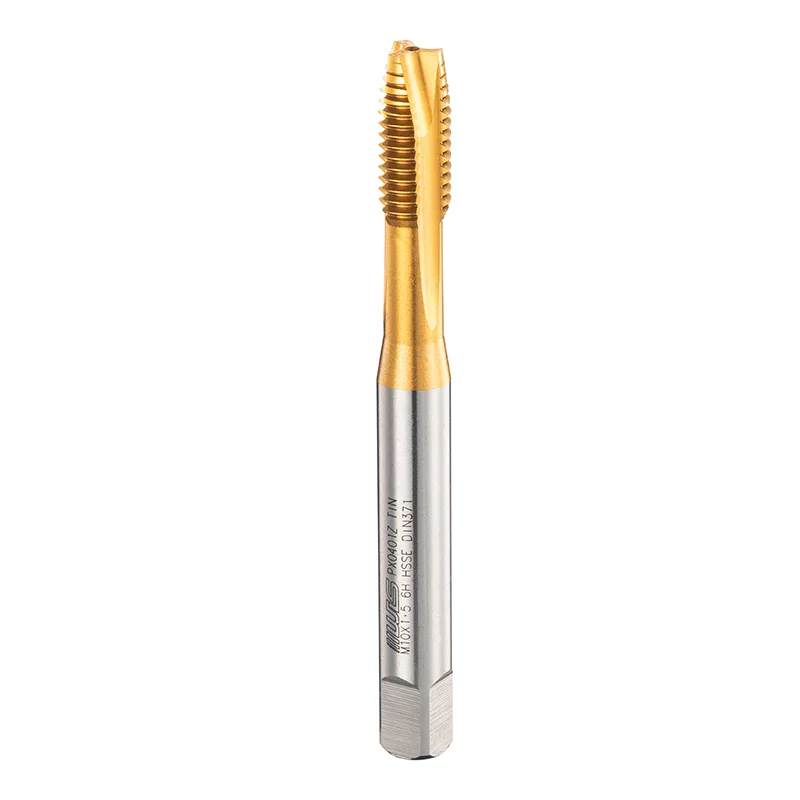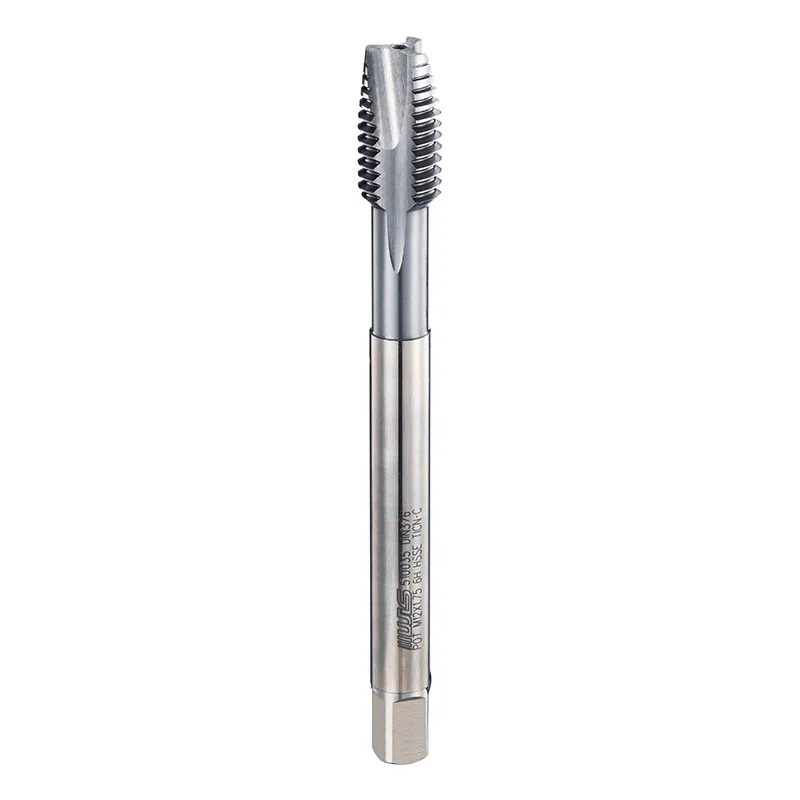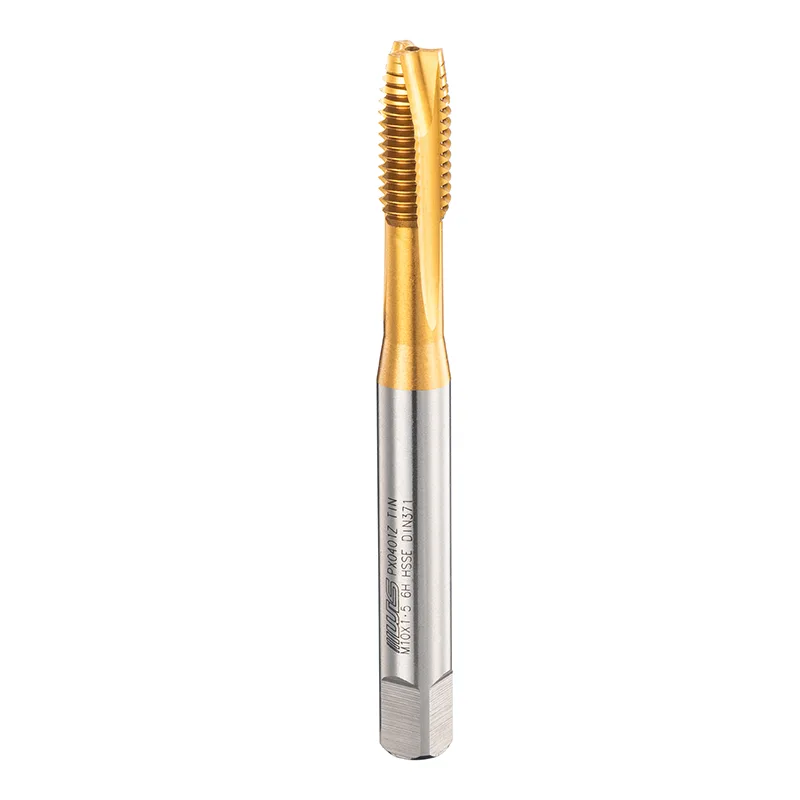
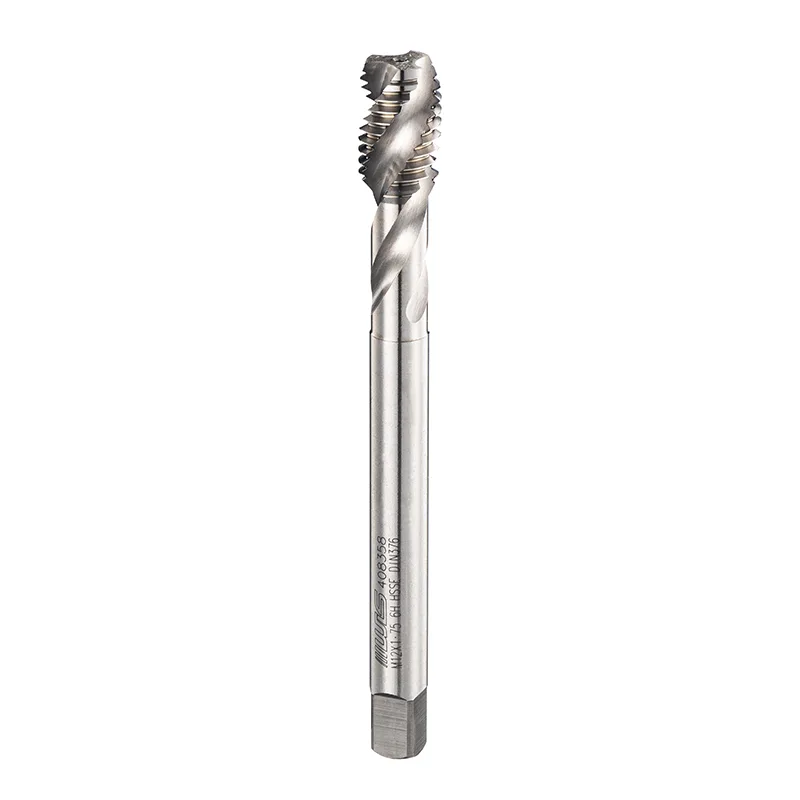
Why DIN Spiral Flute Taps With No Coating Gain Attention in CNC Machining
In modern CNC machining, DIN Spiral Flute Taps With No Coating are receiving renewed attention as workshops look for balanced solutions between thread quality, process stability, and practical tooling costs. The growing focus is not only on tool lifespan but also on choosing the right geometry for specific machining conditions.
Threading remains one of the most sensitive operations in precision manufacturing. Although creating an internal thread may appear straightforward, small differences in material, hole depth, cutting speed, and chip evacuation can significantly affect the final result. As machining centers become more automated and production requirements become more consistent, the role of tap design has become increasingly important.
The discussion around tool selection is also changing. Instead of focusing only on whether a tool has a coating or not, many machining processes are paying more attention to the relationship between flute design, cutting conditions, workpiece materials, and overall process control.
The Changing Role of Taps in CNC Machining
CNC machining has developed toward higher efficiency, tighter tolerances, and more continuous production. In this environment, threading tools must perform consistently across different applications, including automotive parts, molds, electronic components, aerospace-related components, and new-energy equipment.
A tap is not simply a cutting tool that removes material. Its geometry influences several important factors:
| Key Factor | Influence on Threading Performance |
|---|---|
| Flute design | Determines chip movement and evacuation |
| Helix angle | Affects cutting stability and chip control |
| Cutting edge geometry | Influences torque and thread surface quality |
| Material selection | Determines wear resistance and application range |
| Machine conditions | Affects accuracy and repeatability |
Research into spiral flute tap design has shown that factors such as chip space, cutting torque, and tool stiffness need to be considered together because they directly influence machining stability.
This explains why the selection of a tap increasingly becomes a process decision rather than a simple replacement choice.
Why Spiral Flute Design Matters for Blind Hole Threading
One of the main reasons spiral flute taps continue to attract attention is their ability to manage chip movement during blind-hole operations.
Unlike through holes, blind holes do not provide an open path for chips to exit. If chips accumulate inside the hole, they may interfere with cutting, increase resistance, and affect thread accuracy.
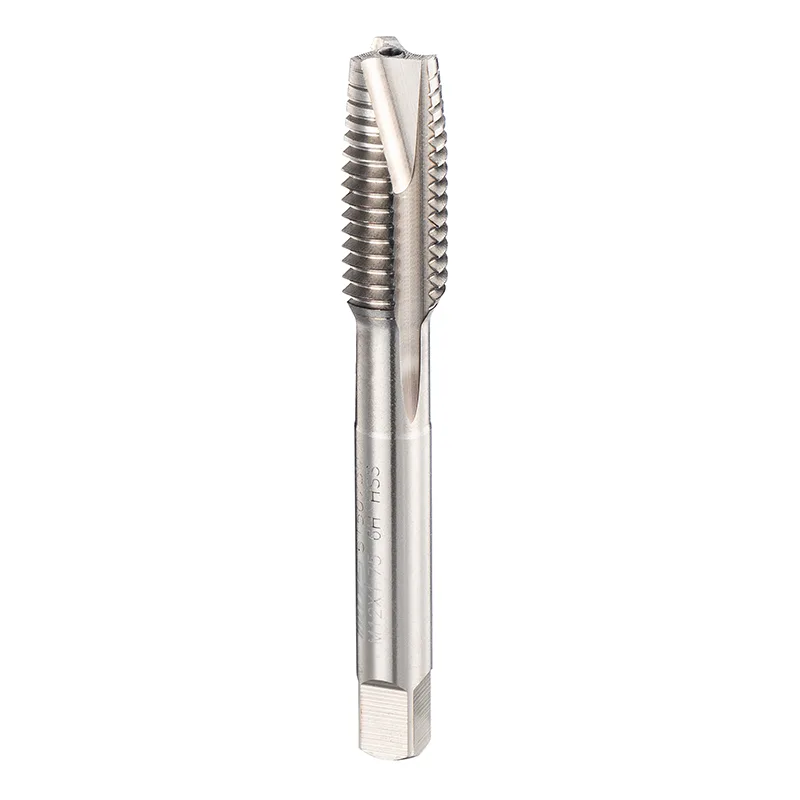
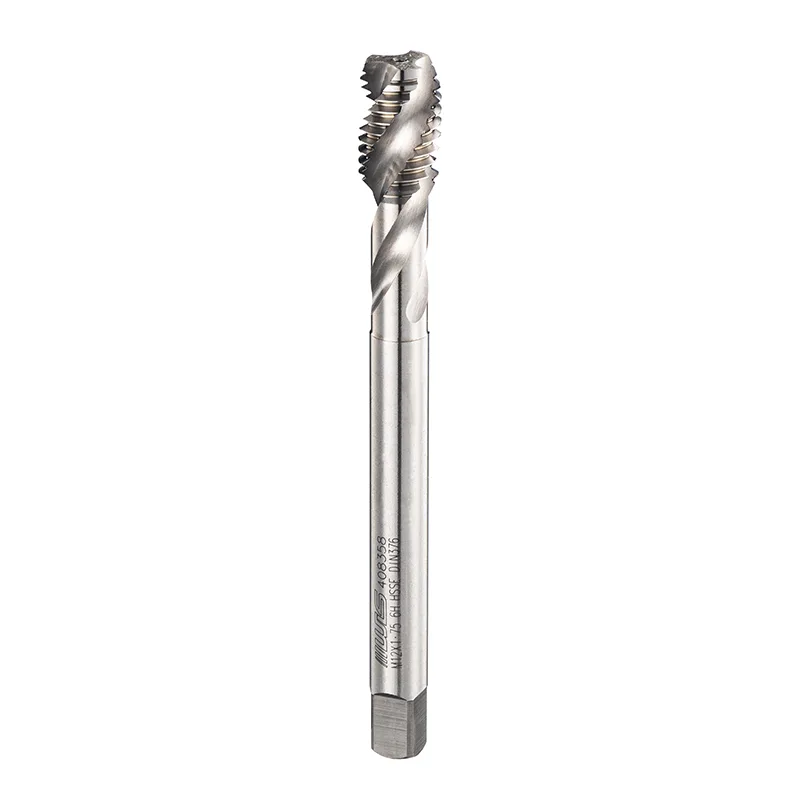
The helical flute structure of spiral flute taps helps guide chips upward during machining, making them suitable for many blind-hole applications where chip evacuation is a major concern.
This becomes particularly important when machining materials that create longer chips, such as certain steels, stainless steels, and aluminum alloys.
A stable chip evacuation process can help reduce common issues including:
Why Are No-Coating Taps Receiving Attention Again?
For many years, advanced coatings have been widely discussed because they can improve friction resistance and wear performance under certain machining conditions. However, the absence of a coating does not automatically mean a tool is unsuitable.
The performance of a tap depends on multiple factors, including:
In some machining environments, a no-coating design can offer practical advantages. It may simplify tool selection for general applications where extreme heat resistance or extended tool life is not the primary requirement.
Instead of adding complexity through additional surface treatments, some production processes focus on optimizing the fundamental structure of the cutting tool.
This reflects a broader trend in manufacturing: selecting tools according to actual operating conditions rather than following a single performance indicator.
The Importance of Matching Tool Design With Material
A common mistake in CNC machining is assuming that one tap design can handle every material equally.
Different materials create different cutting challenges.
For example:
| Material Type | Common Threading Considerations |
|---|---|
| Carbon steel | Requires stable cutting and consistent chip control |
| Stainless steel | Often creates higher cutting resistance and work hardening risks |
| Aluminum alloy | Requires attention to chip formation and material adhesion |
| Cast iron | Produces shorter chips but may require different cutting strategies |
| Mold steel | Requires accuracy and tool rigidity |
For this reason, DIN Spiral Flute Taps With No Coating are generally evaluated based on application requirements rather than as a universal choice.
The DIN standard itself provides a structured reference for thread dimensions and compatibility, helping machining processes maintain consistency when working with standardized thread specifications.
CNC Automation Increases the Need for Process Stability
As more machining operations move toward automated production, unexpected interruptions become increasingly costly.
A broken tap or unstable threading process can affect not only one component but an entire production sequence.
Modern CNC environments increasingly focus on predictable machining behavior through:
Within this environment, tool geometry becomes a key factor because it influences whether a machining cycle remains stable over repeated operations.
A well-matched tap can reduce unnecessary adjustments and help operators maintain consistent results.
Common Misunderstandings About Tap Selection
Many threading problems are not caused by the tap alone.
A production issue may come from several combined factors:
| Problem | Possible Reason |
|---|---|
| Broken tap | Excessive torque, poor alignment, unsuitable parameters |
| Rough thread surface | Incorrect speed, chip interference, tool wear |
| Oversized thread | Improper cutting conditions or tool condition |
| Short tool life | Material mismatch or insufficient lubrication |
| Unstable production | Lack of process standardization |
Changing the tap without reviewing the entire machining process may not solve the underlying problem.
The most effective approach is usually to evaluate the complete operation, including drilling preparation, machine rigidity, coolant supply, and inspection procedures.
Precision Manufacturing Trends Behind Tool Selection Changes
The current development of CNC machining is moving toward flexibility and efficiency. Companies processing different materials and components increasingly need tools that can adapt to varied production requirements.
This trend has encouraged more attention toward:
Rather than choosing tools only by maximum cutting speed, machining teams are increasingly considering total process performance.
A tool that provides stable threading results under realistic conditions may create more value than one designed only for extreme performance scenarios.
Wilson’s Experience in Precision Threading Tools
With more than 20 years of experience in precision tool development, Wilson focuses on the research, production, and application of threading tools and measuring tools. Its product range includes machine taps, spiral flute taps, rolling taps, hand taps, and DIN-standard taps.
The company’s experience covers applications involving automotive manufacturing, aerospace components, new-energy equipment, mold production, electronic appliances, and metal processing industries.
The development of precision tapping tools continues to depend on the combination of manufacturing technology, inspection capability, and practical machining experience.
Looking Ahead: Threading Quality Depends on Process Understanding
The growing interest in DIN Spiral Flute Taps With No Coating reflects a wider change in CNC machining. Tool selection is becoming less about following a single trend and more about understanding the relationship between tool structure and production conditions.
A successful threading process requires coordination between the tap, machine, material, parameters, and inspection system.
As precision manufacturing continues to evolve, companies will likely continue exploring more balanced approaches that combine accuracy, stability, and efficient production methods.
The future of tapping is not determined only by coatings or cutting speed. It depends on choosing the right tool design for the right machining challenge. DIN Spiral Flute Taps With No Coating, together with other precision threading solutions from Wilson, represent one example of how traditional tool structures continue to adapt to modern CNC machining requirements.
Related News
- What Makes DIN Spiral Flute Taps With No Coating a Practical Choice for Precision Threading?
- How Did One Machine Shop Reduce Threading Rejects by 60%—After Switching to DIN Straight Flute Taps for Their Blind Hole Operations?
- Why Are DIN Extended Spiral Point Taps Essential for High-Performance Threading?
- Why Are ISO Spiral Flute Taps With Coating Essential for High-Precision Threading?
- How Can ISO Extended Spiral Flute Taps Improve Precision Machining Performance?
- Why Are ISO Spiral Point Taps With No Coating Still a Preferred Choice for Precision Threading?
Leave me a message