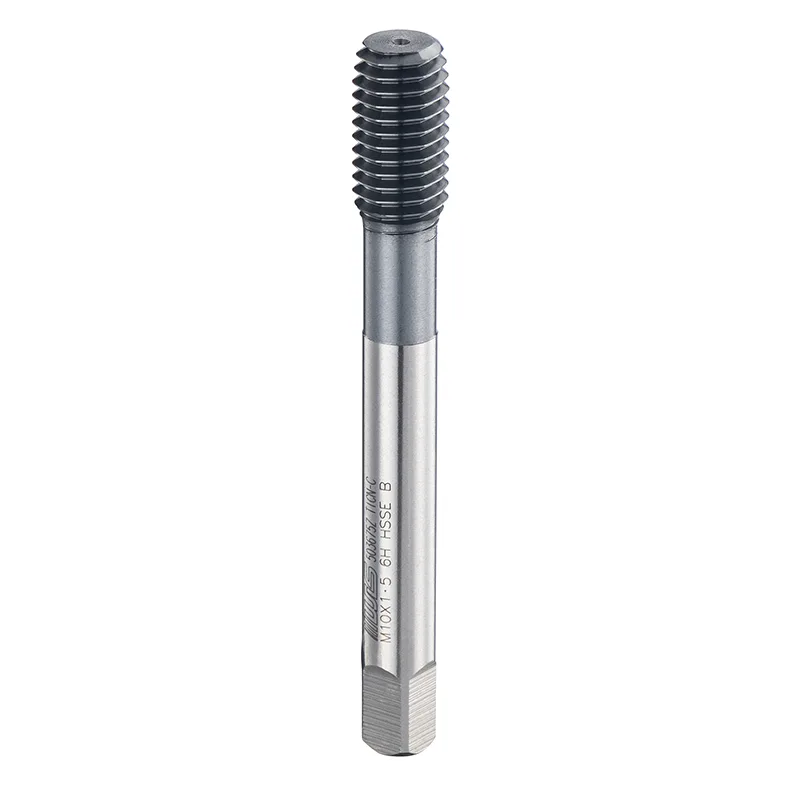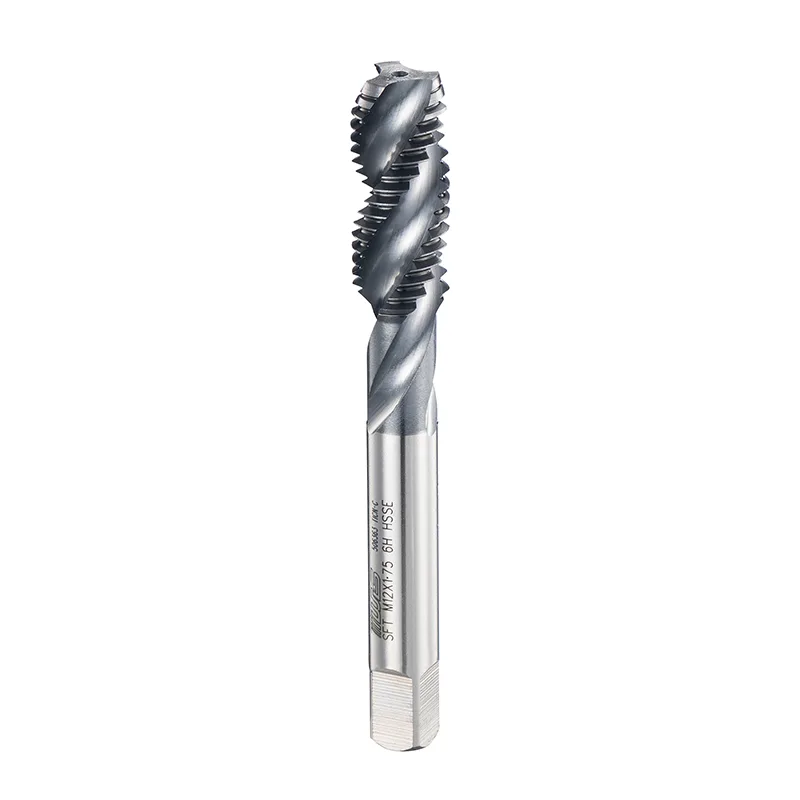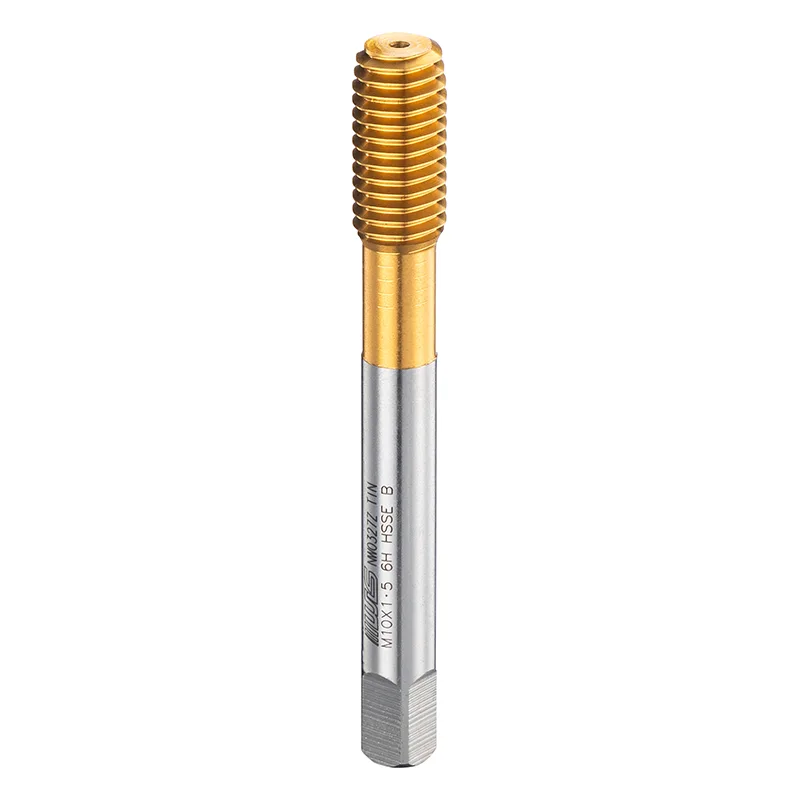
Rolling Taps for Strong Threads Without Chips
Wilson’s newest Rolling Taps is a new type of thread processing tool that relies on the plastic deformation property of metal to process internal threads. Its unique working method gives it many advantages in thread processing. Let's talk in detail below:
1. What is Rolling Tap and how does it work?
Rolling Taps is not made by cutting off material to create internal threads, but by extruding and causing plastic deformation of the material to form threads. How does it work specifically?
When using this squeezing tap to thread, the threaded part of the tap is inserted into the pre drilled hole. It is not about "cutting", but about starting to "squeeze" the material on the hole wall, giving it pressure and slowly making the material flow.
Then, these extruded materials are "stuffed" into the concave areas (i.e. the grooves) on the tap, and finally become complete internal threads.
The most crucial thing is that during this entire process, it will not produce any scrap metal (chips) at all. So, you don't have to worry about the debris getting stuck in the hole and causing trouble, or scratching the just made thread. There are no such troubles.
It's like holding a piece of gummy candy in your hand and pressing it into a mold with a threaded shape, causing the candy to be squeezed into a threaded shape, instead of using a small knife to gradually remove excess. The same principle applies to threading the faucet.
2.What are the characteristics of Rolling Taps?
Compared to traditional cutting taps, rolling taps have these obvious benefits:
-No chips are generated during processing, especially suitable for processing blind holes, without worrying about chips getting stuck inside or difficult to clean.
-There will be no stress concentration problem at the root of the threaded tooth, and the strength is about 30% higher than that of the cutting tap.
-Due to the absence of cutting edges and chip pockets, extrusion taps are less prone to wear and have a lifespan that is more than three times longer than regular taps.
3. How to reduce defective products with Rolling Taps?
Rolling Taps play a significant role in improving the quality of thread processing and reducing defective products, as demonstrated in these areas:
-The extruded threads have consistent dimensions, smooth surfaces, and good processing stability, which can reduce defective products caused by incorrect dimensions or rough surfaces.
-Without cutting, there will be no problem of chips getting stuck inside or scratching the machined surface, as there will be less waste caused by chips.
-The extruded thread has better strength and wear resistance, and is less likely to break during use, reducing the number of defective products caused by thread failure.
-Without chips, there is no need for specialized cleaning, saving subsequent processes and avoiding problems caused by poor cleaning.
-Suitable for automated production, reducing manual operations, making the production process more stable, and reducing the rate of defective products.
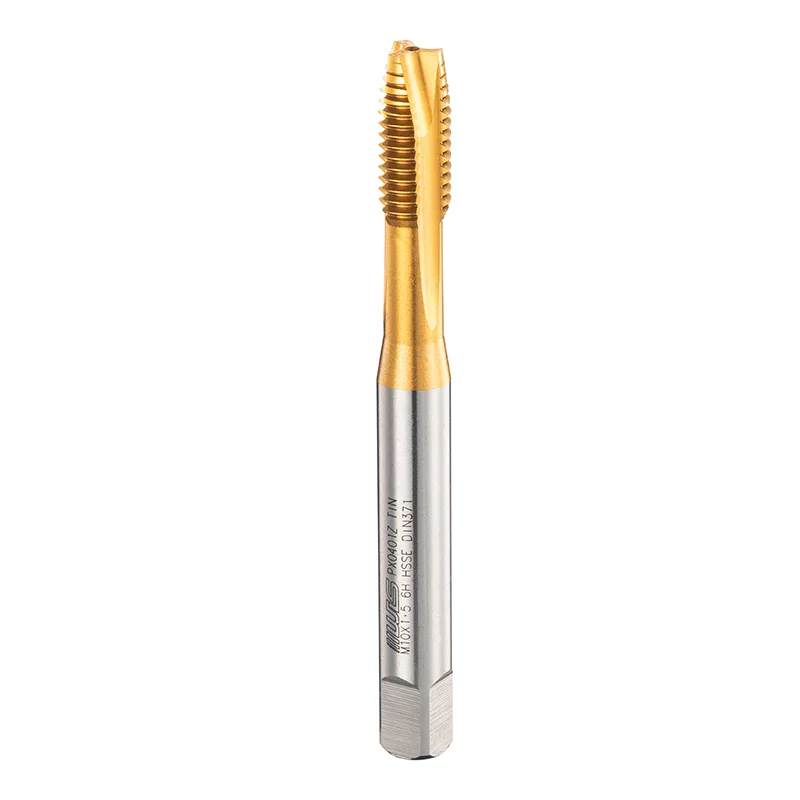
WILSON is a professional Rolling Taps manufacturer and supplier in China. We warmly welcome you to wholesale high quality products at competitive price from our factory.