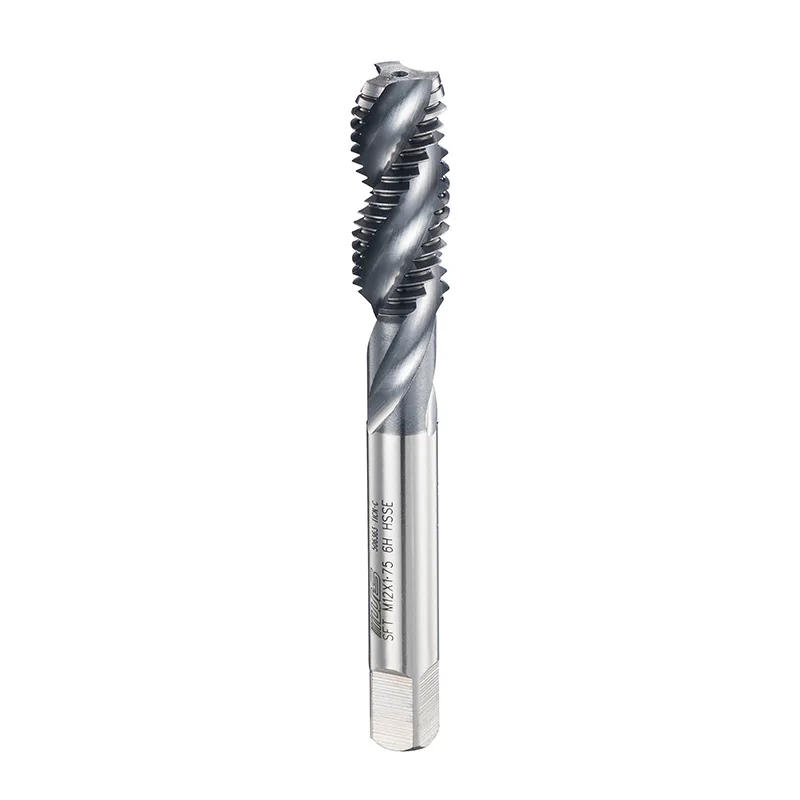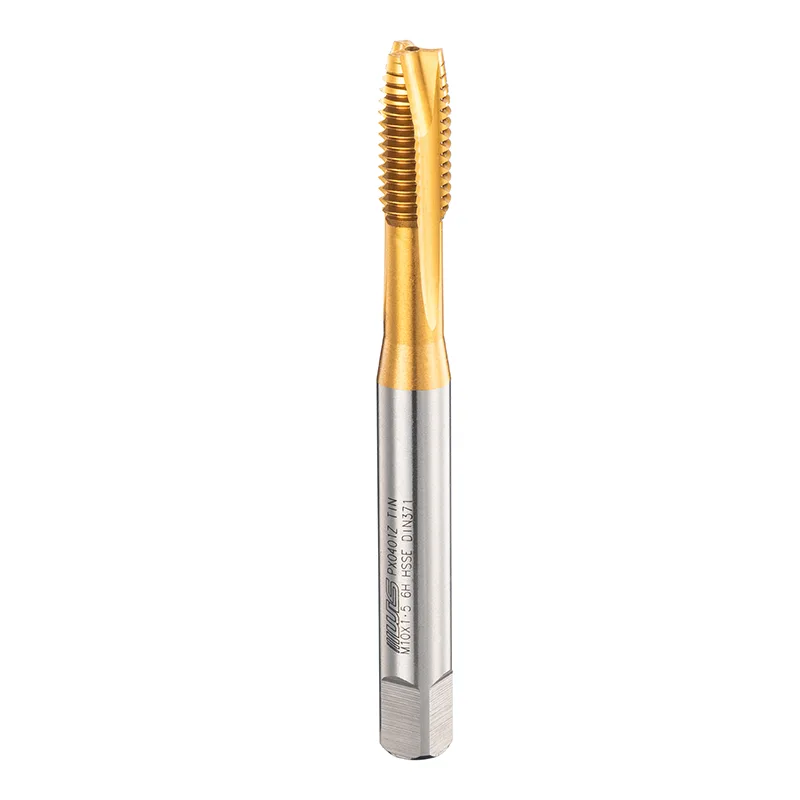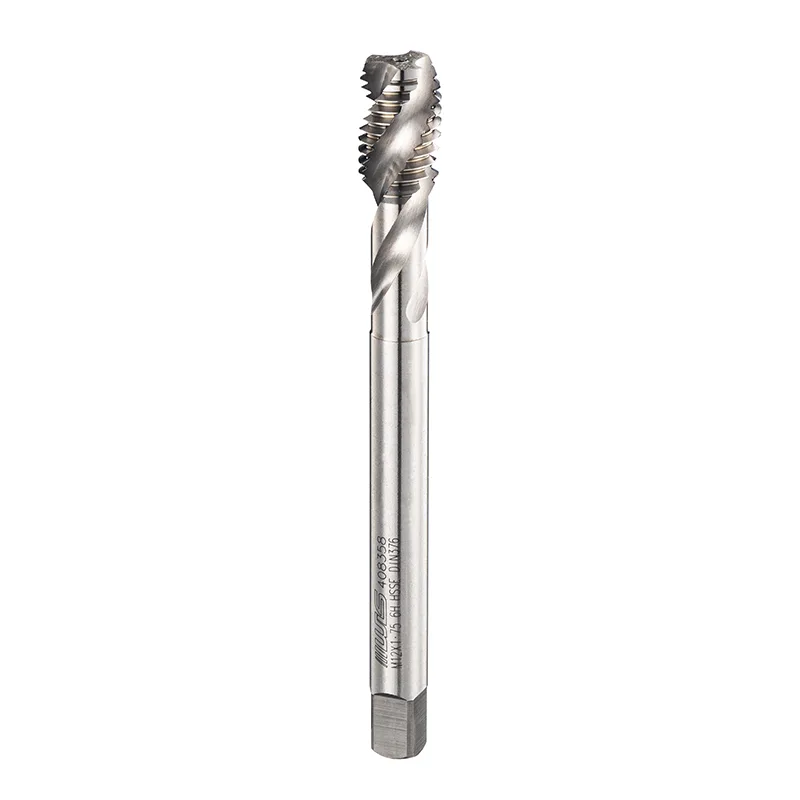
Precision ISO Spiral Flute Taps for Metric Threads
Wilson’s quality ISO Spiral Flute Taps, in simple terms, is a tool specifically used to drill internal threads (also known as threads) on materials, which is usually operated by machines. Because the spiral groove on its body resembles a propeller, it is called a spiral tap. This tool is very commonly used in factories.
What makes it special?
The design of spiral grooves: This is its "signature skill". This spiral groove, like a conveyor belt, can bring out the iron or copper shavings generated during processing along the spiral direction, so there is no need to worry about the shavings getting stuck in the hole. Especially for some holes that cannot be drilled to the bottom (blind holes), this is particularly suitable. The common spiral angles are 15 degrees and 42 degrees, and the larger the angle, the stronger the chip removal ability.
The national standard the final say: the production of this tap is not random. It must strictly comply with national standards, such as GB/T 3506-2008. This standard is like an "instruction manual" that specifies what the tap should look like, how large it should be, how sturdy it should be, and even what should be written on the packaging. The thread accuracy achieved in this way also has grades, divided into three types: H1, H2, and H3, just like how exam scores vary. If it is used to process special threads on water pipes and air pipes, it must also comply with another standard GB/T 20333-2023 to ensure that everyone can use it universally.
Choose ISO Spiral Flute Taps With Coating:
If you come across materials that are particularly difficult to deal with, such as stainless steel or alloy steel, these things can be really difficult to process. In addition, the heat resistance and wear resistance of coated taps can significantly improve their machining life in high-temperature or high-speed processing environments.
Choose ISO Spiral Flute Taps with No Coating:
If the processing material is ordinary steel or non-ferrous metals and is sensitive to cost, uncoated spiral taps are an economical choice.
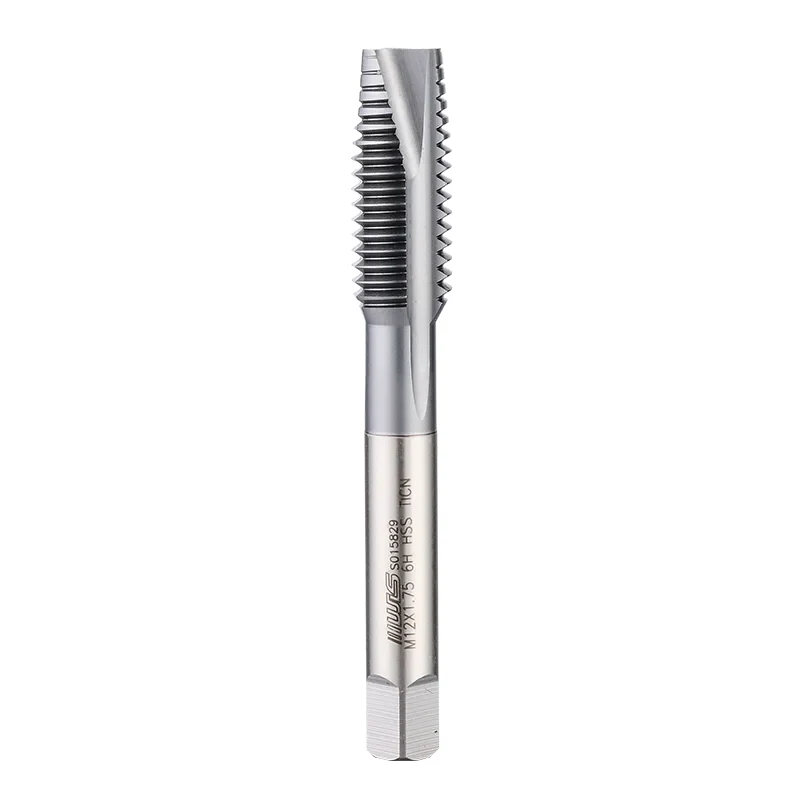
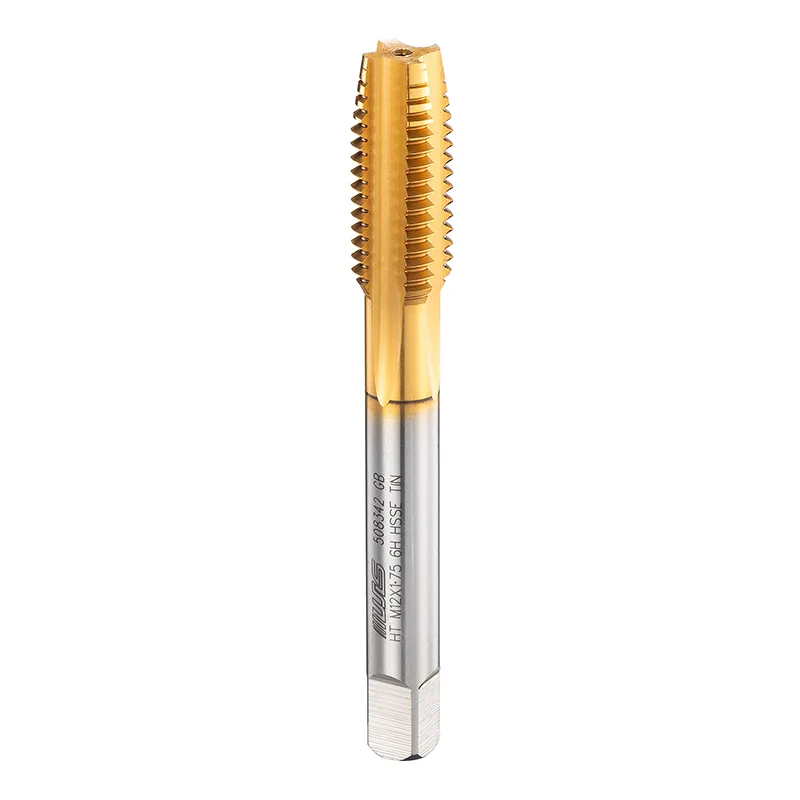
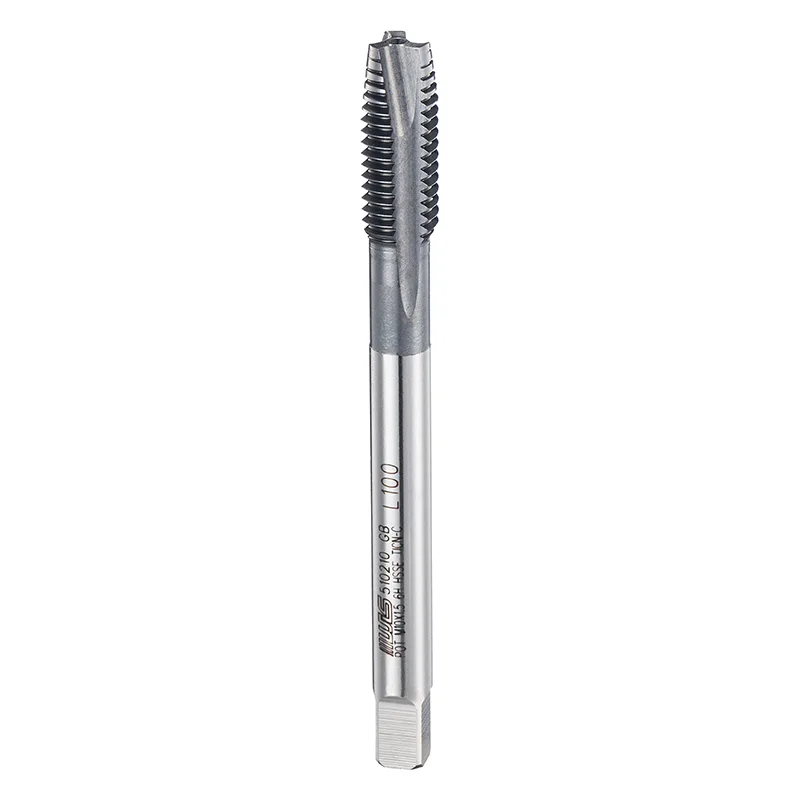
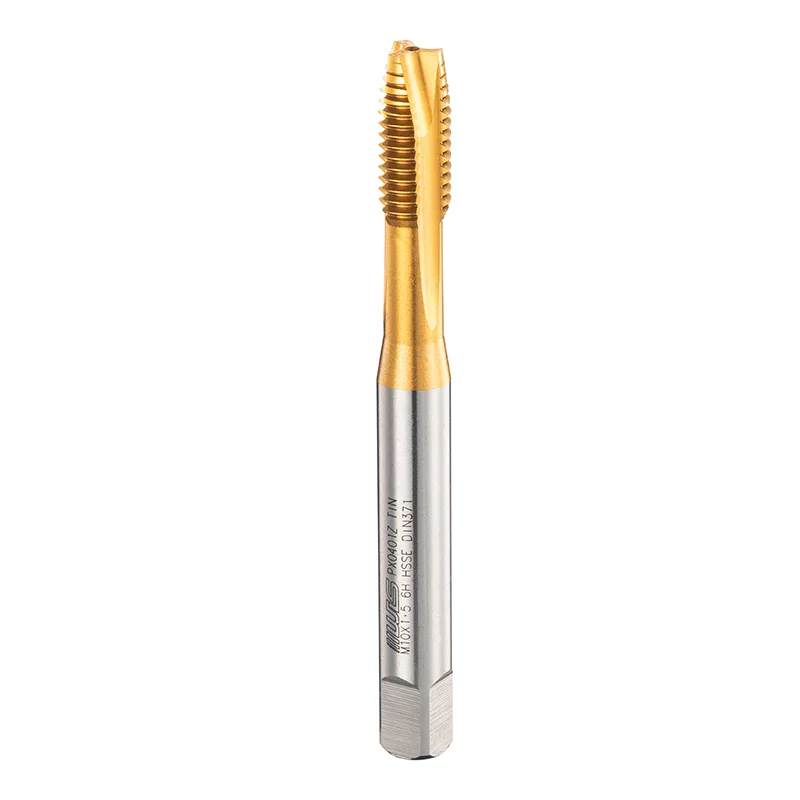
- View as

ISO Extended Spiral Flute Taps
Wilson’s ISO Extended Spiral Flute Taps, They are high-performance deep hole drilling experts, particularly adept at handling challenges such as automotive engine cylinder blocks. Wilson, As a leader in the domestic production of this type of tap, we have equipped these taps with extra long (at least 50 millimeters) and thickened handles, which ensures that they are very stable during operation and greatly reduces the possibility of damage due to vibration.
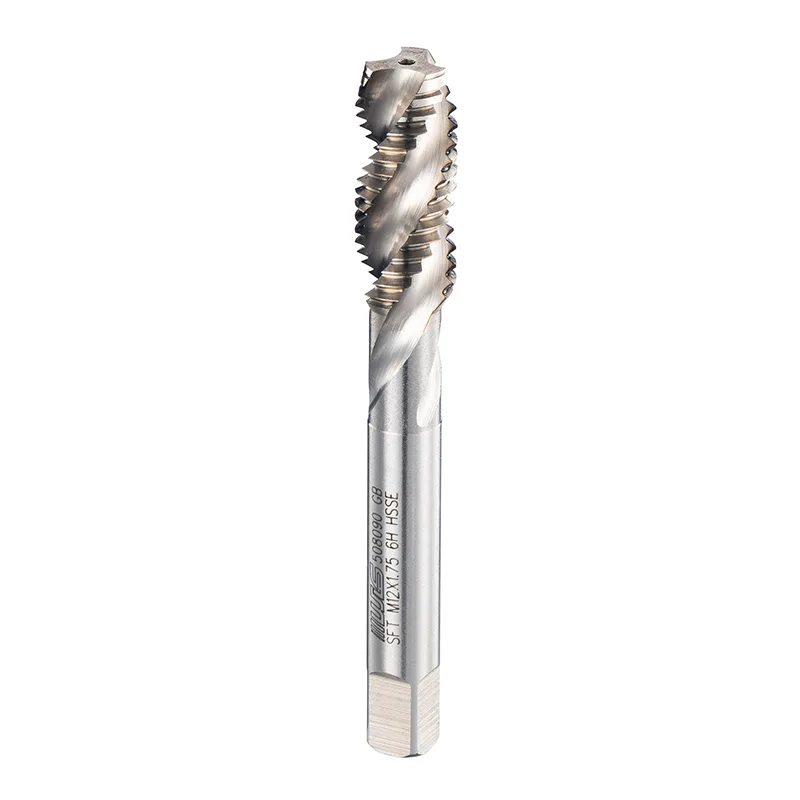
ISO Spiral Flute Taps With No Coating
Wilson, as a professional ISO Spiral Flute Taps With No Coating manufacturer, strictly adheres to the GB/T 968 precision standard to ensure that the products meet the requirements of industrial grade thread processing. It is an efficient and economical preferred solution for uncoated taps.

ISO Spiral Flute Taps With Coating
Wilson is a China ISO Spiral flute taps with coating manufacturer with over 20 years of experience in tap manufacturing. We provide customized solutions and comprehensive after-sales support, and are committed to becoming your long-term strategic partner in the metal processing field.
WILSON is a professional ISO Spiral Flute Taps manufacturer and supplier in China. We warmly welcome you to wholesale high quality products at competitive price from our factory.