News

Why Are DIN Extended Spiral Point Taps Essential for High-Performance Threading?

2026-08-14 0 Leave me a message

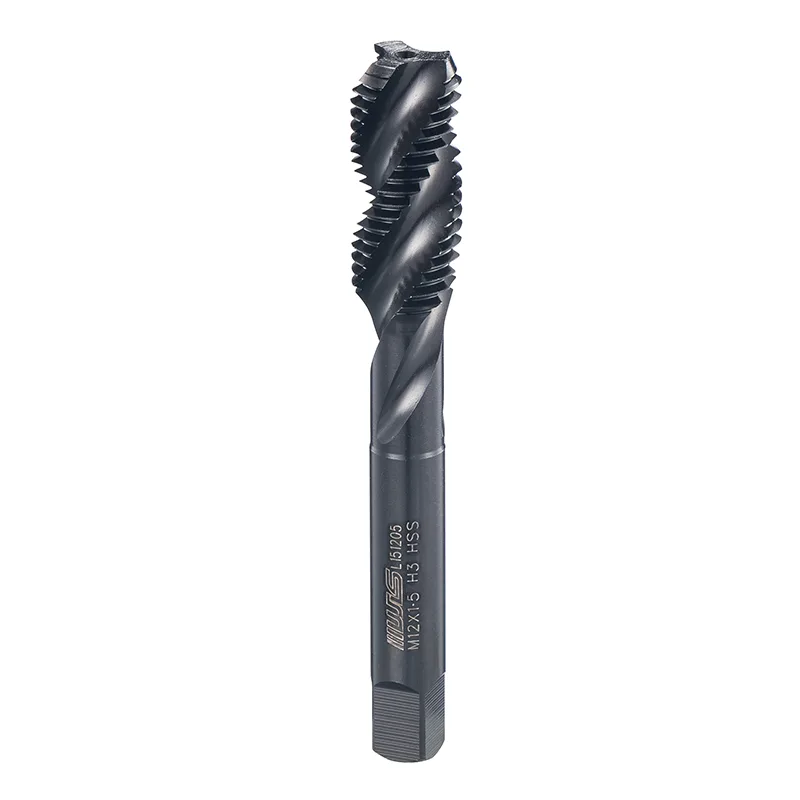
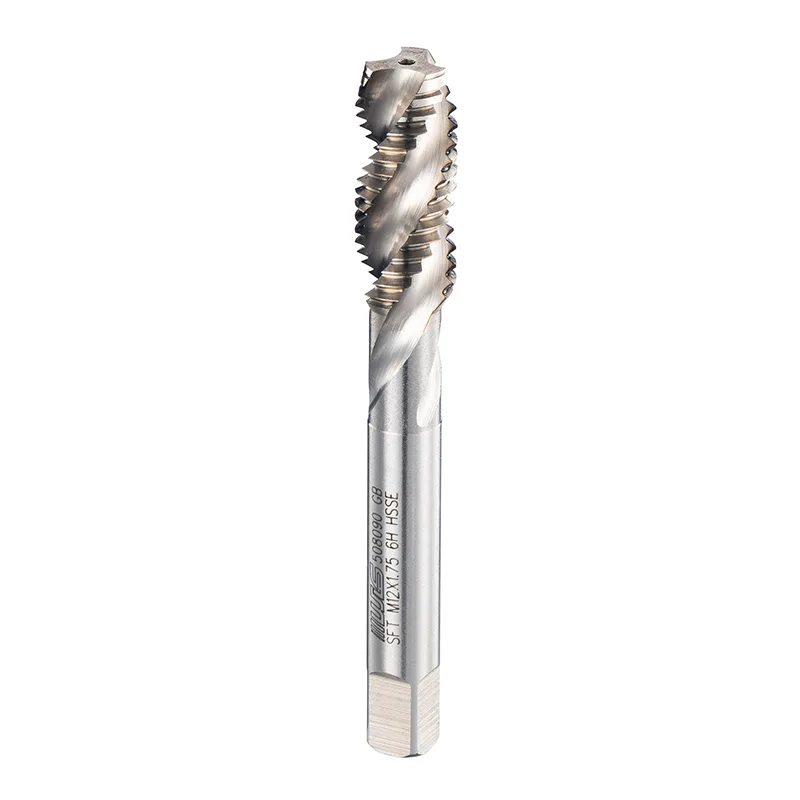
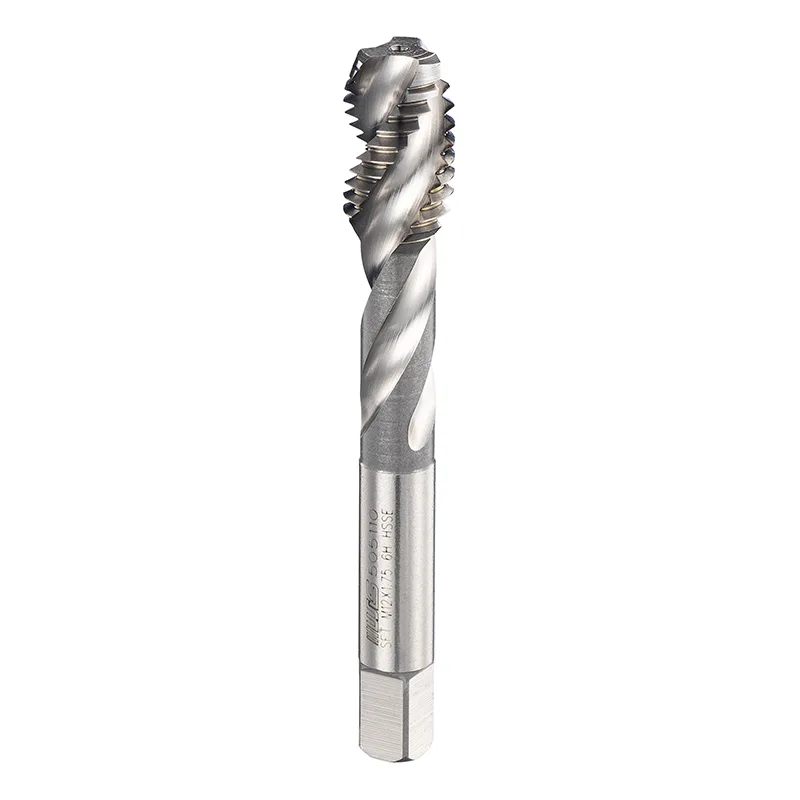
DIN Extended Spiral Point Taps are widely recognized as an efficient threading solution for deep-hole machining, high-volume production, and demanding industrial applications. With their extended flute design, optimized spiral point geometry, and reliable chip evacuation performance, these taps help manufacturers improve machining efficiency, reduce tool failure risks, and achieve consistent thread quality.

This article explains how DIN Extended Spiral Point Taps solve common threading challenges, why their design matters, how to select the right specifications, and what advantages they provide in modern manufacturing environments. It also introduces professional tooling solutions from Taizhou Hongyi Precision Tools Co.,Ltd., a company specializing in precision cutting tools for global industrial customers.
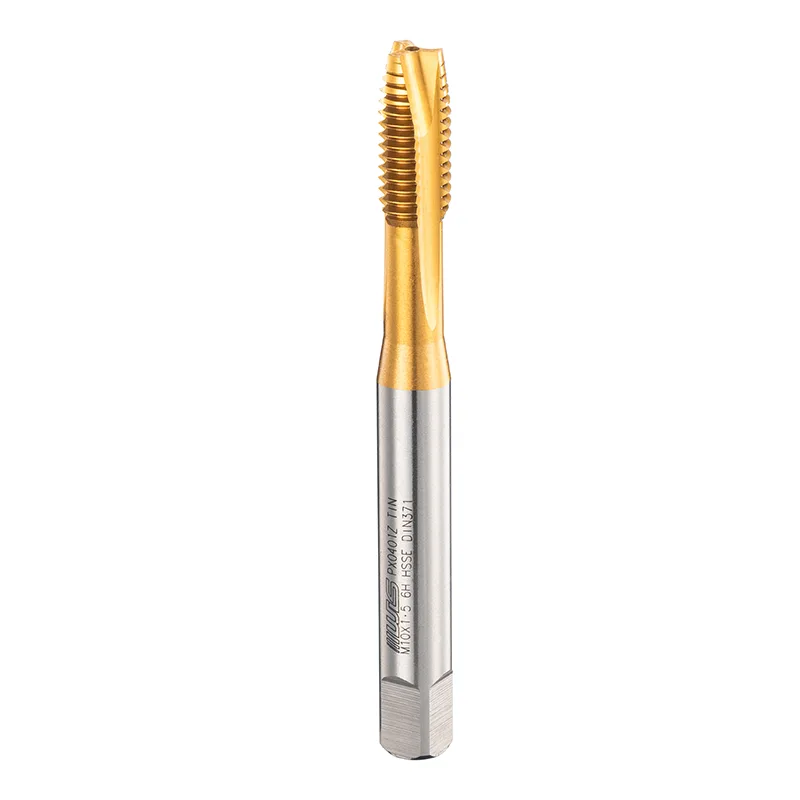
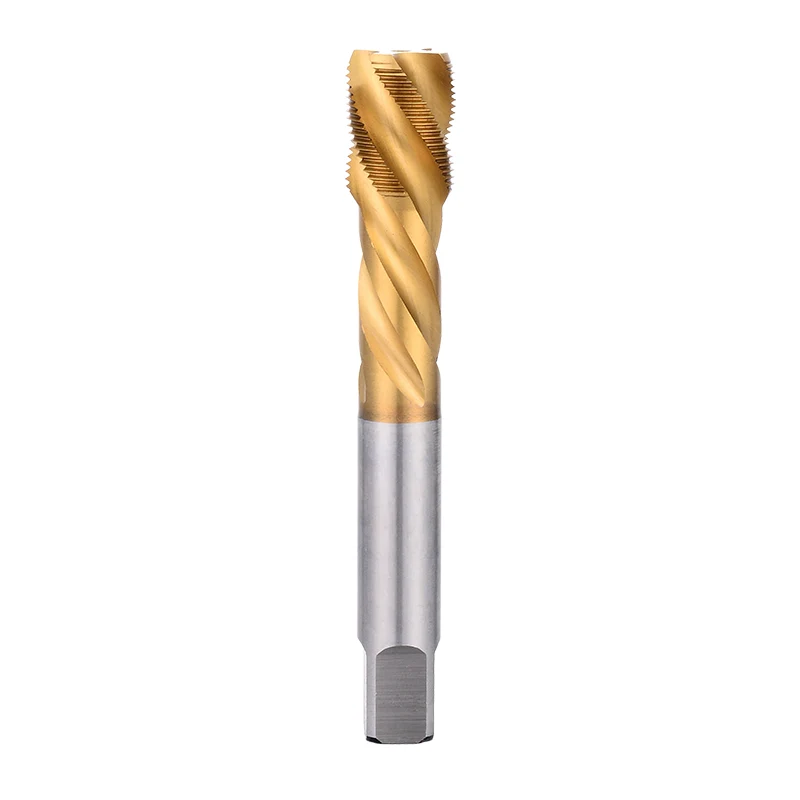
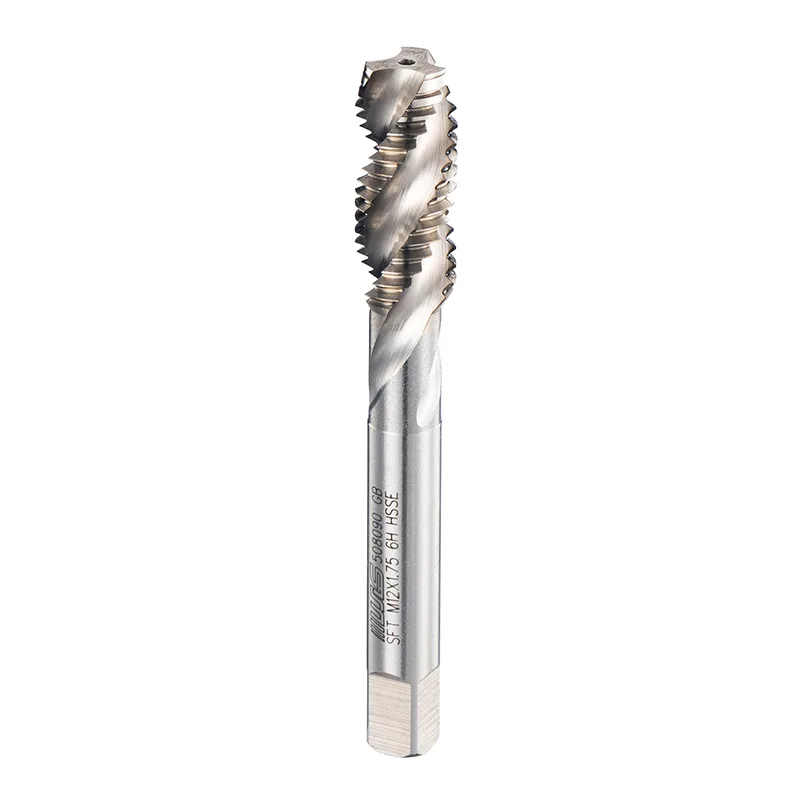
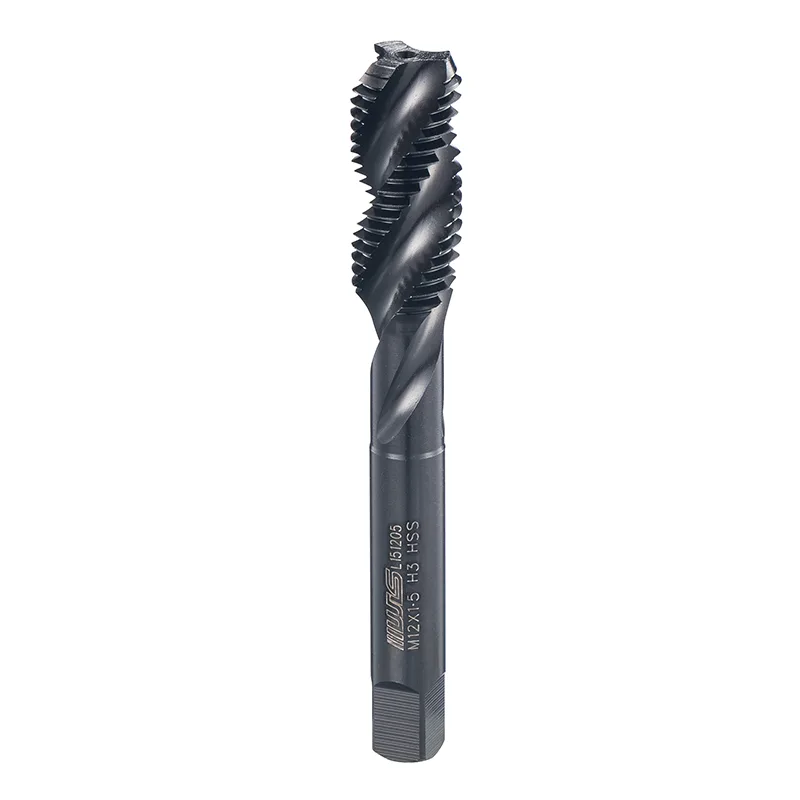
DIN Extended Spiral Point Taps


Table of Contents


1. Introduction: Understanding DIN Extended Spiral Point Taps

Threading operations are among the most critical processes in modern manufacturing. A small error during tapping can lead to damaged threads, component rejection, production delays, and increased manufacturing costs. For industries requiring high accuracy and stable performance, selecting the correct tapping tool is essential.

DIN Extended Spiral Point Taps are specially designed to provide excellent performance when machining deep threaded holes or applications where standard taps cannot provide sufficient reach. Based on DIN standards, these taps combine dimensional accuracy with advanced cutting geometry, making them suitable for professional machining environments.

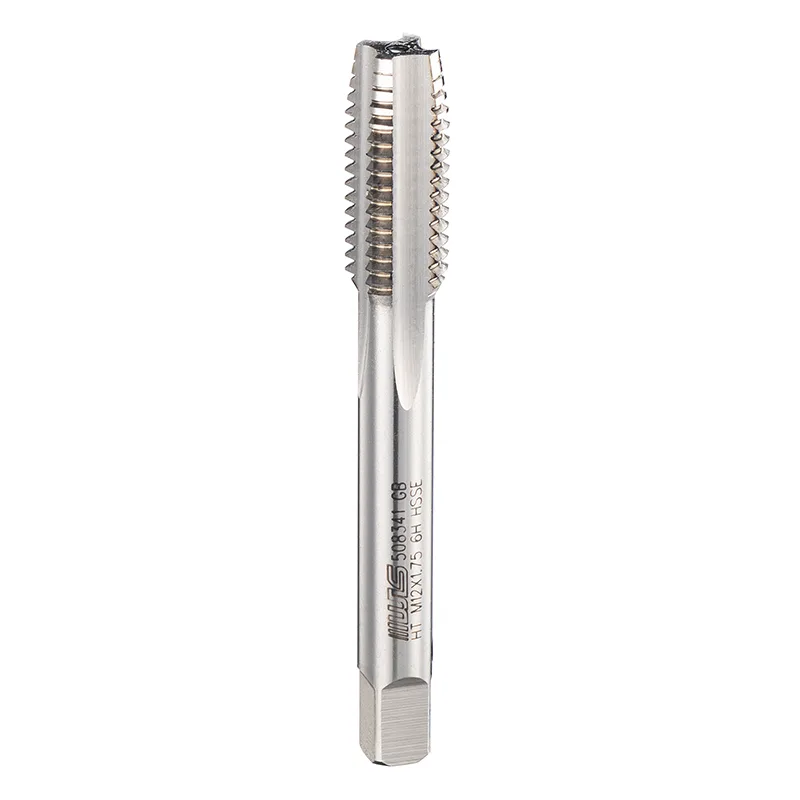
Unlike conventional hand taps or standard machine taps, extended spiral point taps feature a longer shank or extended cutting length. This structure allows operators to reach deeper holes while maintaining excellent rigidity and machining stability.

The spiral point design pushes chips forward during cutting instead of allowing them to accumulate inside the hole. This makes the tool particularly effective for through-hole threading, especially in automated CNC machining processes where continuous production and reliability are important.


2. What Makes the Design of DIN Extended Spiral Point Taps Different?

The performance of a tap depends greatly on its engineering design. DIN Extended Spiral Point Taps integrate several important features that improve machining efficiency and thread accuracy.

Design Feature Function Production Benefit
Extended Length Design Provides additional reach for deeper holes Allows flexible machining of complex components
Spiral Point Geometry Directs chips forward during tapping Reduces chip blocking and tool damage
DIN Standard Accuracy Maintains consistent dimensions and tolerances Ensures reliable thread quality
Precision Ground Flutes Improves cutting stability Creates smoother thread surfaces
High-Performance Materials Enhances wear resistance Extends tool service life

One of the most important characteristics of these taps is the spiral point angle. The optimized cutting edge design helps reduce cutting resistance and improves chip control. This is especially valuable when machining materials that generate long chips, such as carbon steel, alloy steel, and stainless steel.

In CNC machining environments, tool consistency directly affects production efficiency. A well-designed DIN Extended Spiral Point Tap can reduce machine downtime caused by tool replacement, improve processing stability, and support large-scale manufacturing requirements.


3. Key Advantages of Using DIN Extended Spiral Point Taps

Manufacturers choose DIN Extended Spiral Point Taps because they provide multiple advantages compared with ordinary threading solutions.

  • Improved Chip Evacuation: The spiral point structure pushes chips forward, preventing chip accumulation and reducing the risk of tap breakage.
  • Higher Machining Efficiency: These taps support faster cutting speeds and smoother production cycles, making them suitable for high-volume manufacturing.
  • Better Thread Accuracy: Precision manufacturing ensures stable thread profiles and improved dimensional consistency.
  • Longer Tool Life: Advanced materials and optimized cutting geometry help resist wear during continuous operation.
  • Reduced Production Costs: Fewer tool failures and less downtime contribute to lower overall machining expenses.

For manufacturers dealing with demanding threading applications, tool reliability is not only a technical requirement but also a business advantage. A high-quality tap can directly influence production speed, product quality, and customer satisfaction.

Challenge Traditional Tap Issue DIN Extended Spiral Point Tap Solution
Deep Hole Threading Insufficient working length Extended design provides better accessibility
Chip Accumulation Frequent blockage and breakage Forward chip evacuation improves stability
Mass Production Short tool life increases replacement frequency Durable construction supports continuous machining
Thread Quality Control Inconsistent results between batches Precision grinding ensures stable performance

4. Industrial Applications and Suitable Materials

DIN Extended Spiral Point Taps are widely used across industries where precision threading, productivity, and machining reliability are essential. Their extended structure and efficient chip control make them suitable for both standard and specialized manufacturing processes.

From automotive components to heavy machinery parts, manufacturers rely on these taps to create accurate internal threads while maintaining stable production efficiency. Their versatility allows them to work with various metal materials and different machining environments.

Industry Typical Applications Why DIN Extended Spiral Point Taps Are Suitable
Automotive Manufacturing Engine parts, transmission components, chassis parts Provides stable threading performance for mass production
Aerospace Industry Aircraft structures and precision components Supports high accuracy requirements and difficult machining tasks
Machinery Manufacturing Industrial equipment, mechanical assemblies Improves efficiency in repeated threading operations
Mold and Tool Manufacturing Mold bases, precision tooling parts Offers accurate threads and reliable dimensional control
Metal Fabrication Steel structures and customized components Handles various materials with consistent results

These taps are commonly applied to through-hole threading operations involving materials such as carbon steel, stainless steel, alloy steel, aluminum alloys, and other engineering metals. However, selecting the correct coating, cutting angle, and tap specification remains important to achieve the best results.

For example, stainless steel machining requires excellent wear resistance and smooth chip flow because the material tends to create higher cutting resistance. In contrast, aluminum processing often requires sharp cutting edges and optimized flute designs to prevent material adhesion.


5. How to Select the Right DIN Extended Spiral Point Taps?

Choosing the correct DIN Extended Spiral Point Tap requires consideration of multiple factors, including workpiece material, thread specification, machining method, and production requirements. The wrong selection may result in poor thread quality, shortened tool life, or unnecessary production costs.

Selection Factor Important Consideration
Thread Standard Select the correct metric, inch, or special thread specification according to project requirements
Workpiece Material Choose suitable tap material and coating based on hardness and machinability
Hole Type Spiral point taps are mainly recommended for through holes requiring efficient chip removal
Machining Equipment Consider CNC machines, tapping machines, spindle speed, and coolant conditions
Production Volume High-volume production may require premium-grade taps for longer service life

When selecting DIN Extended Spiral Point Taps, manufacturers should also evaluate the following points:

  • Cutting Speed Compatibility: Ensure that the tap can operate effectively under the required machining parameters.
  • Tool Material Selection: High-speed steel and advanced tool materials provide different levels of durability and performance.
  • Surface Treatment: Coatings such as TiN, TiCN, or other surface technologies can improve wear resistance and reduce friction.
  • Dimensional Accuracy: Precision production is essential for maintaining consistent thread tolerance.

A professional tooling supplier can help manufacturers evaluate these factors and recommend the most suitable tapping solution for specific applications.


6. Common Threading Problems and How These Taps Solve Them

Threading operations often encounter challenges that affect production efficiency and final product quality. DIN Extended Spiral Point Taps are engineered to address many of these common issues.

Common Problem Possible Cause How DIN Extended Spiral Point Taps Help
Tap Breakage Excessive cutting force or poor chip evacuation Spiral point design improves chip movement and reduces stress
Incomplete Threads Incorrect cutting geometry or tool wear Precision manufacturing maintains accurate thread profiles
High Machining Resistance Improper cutting conditions Optimized flute design reduces cutting load
Short Tool Life Material wear and overheating Advanced materials and coatings improve durability
Low Production Efficiency Frequent tool changes and machine stops Reliable performance supports continuous machining

In modern manufacturing, reducing unexpected downtime is a major priority. A broken tap inside a workpiece can lead to expensive repairs, production delays, and material waste. By improving chip control and cutting stability, DIN Extended Spiral Point Taps help manufacturers minimize these risks.

Another important advantage is process consistency. In automated production lines, every machining cycle needs to deliver predictable results. High-quality taps help maintain stable thread dimensions across large production batches.


7. Quality Factors That Influence Tap Performance

The performance of DIN Extended Spiral Point Taps depends not only on the design but also on manufacturing quality. Precision grinding, material selection, heat treatment, and inspection processes all influence the final tool performance.

  • Raw Material Quality: Premium tool steel provides better strength, toughness, and wear resistance.
  • Precision Grinding Technology: Accurate flute geometry improves cutting balance and thread consistency.
  • Heat Treatment Process: Proper hardness control ensures durability while maintaining resistance to fracture.
  • Strict Inspection Standards: Dimensional checks help guarantee reliable performance in industrial applications.
  • Professional Manufacturing Experience: Skilled production teams understand how to optimize tools for different machining conditions.

For international buyers, choosing a reliable manufacturer is as important as selecting the correct tool specification. A trustworthy supplier should provide consistent quality, technical support, and customized solutions when required.


8. Professional Tool Solutions from Taizhou Hongyi Precision Tools Co.,Ltd.

Taizhou Hongyi Precision Tools Co.,Ltd. focuses on the research, development, and manufacturing of precision cutting tools designed for modern industrial applications. With professional production capabilities and strict quality control procedures, the company provides reliable threading solutions for customers worldwide.

The company understands that different industries have different machining challenges. Therefore, Taizhou Hongyi Precision Tools Co.,Ltd. pays close attention to tool geometry, material selection, and manufacturing accuracy to ensure stable performance in demanding working conditions.

Company Advantage Customer Benefit
Precision Tool Manufacturing Reliable dimensions and consistent machining results
Professional Production Experience Better understanding of industrial requirements
Quality Control System Stable product performance and reduced risks
Customized Tool Support Solutions for special machining applications
Global Service Capability Efficient support for international customers

By combining advanced manufacturing technology with customer-focused service, Taizhou Hongyi Precision Tools Co.,Ltd. helps manufacturers improve threading efficiency, reduce machining problems, and achieve better production outcomes.


9. Frequently Asked Questions

What are DIN Extended Spiral Point Taps mainly used for?

DIN Extended Spiral Point Taps are mainly used for creating internal threads in deep or difficult-to-access through holes. They are especially suitable for CNC machining, automated production, and industrial applications requiring efficient chip evacuation.

Why are spiral point taps better for through-hole threading?

The spiral point design pushes chips forward and out of the hole during cutting. This reduces chip accumulation, lowers the risk of tap damage, and improves machining stability.

Can DIN Extended Spiral Point Taps be used for stainless steel?

Yes. With the appropriate material grade, coating, and machining parameters, these taps can effectively process stainless steel and other challenging metals.

How can manufacturers extend tap service life?

Proper tool selection, suitable cutting speed, adequate lubrication, correct alignment, and regular inspection all help extend tap life and maintain thread quality.

Why choose Taizhou Hongyi Precision Tools Co.,Ltd. for threading tools?

Taizhou Hongyi Precision Tools Co.,Ltd. provides precision-engineered cutting tools with professional manufacturing experience, reliable quality control, and solutions designed for different industrial requirements.


10. Contact Us

If you are looking for reliable DIN Extended Spiral Point Taps with excellent precision, durability, and machining performance, Taizhou Hongyi Precision Tools Co.,Ltd. is ready to provide professional tooling solutions for your business.

Contact us today to discuss your threading requirements and discover customized cutting tool solutions that can improve efficiency, reduce production challenges, and support long-term manufacturing success.

Related News
Leave me a message
X
We use cookies to offer you a better browsing experience, analyze site traffic and personalize content. By using this site, you agree to our use of cookies.Privacy Policy
RejectAccept