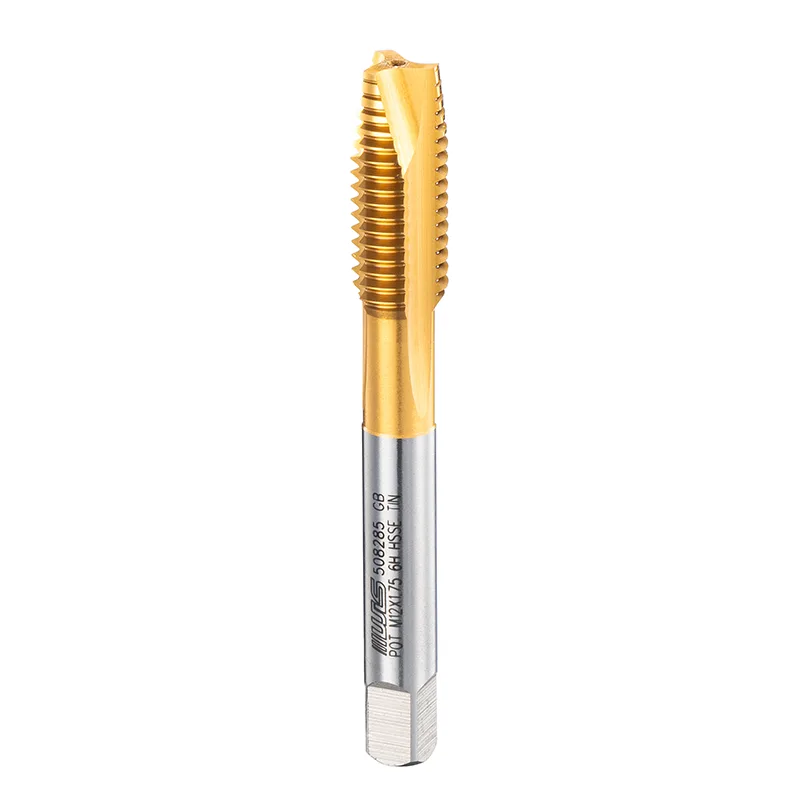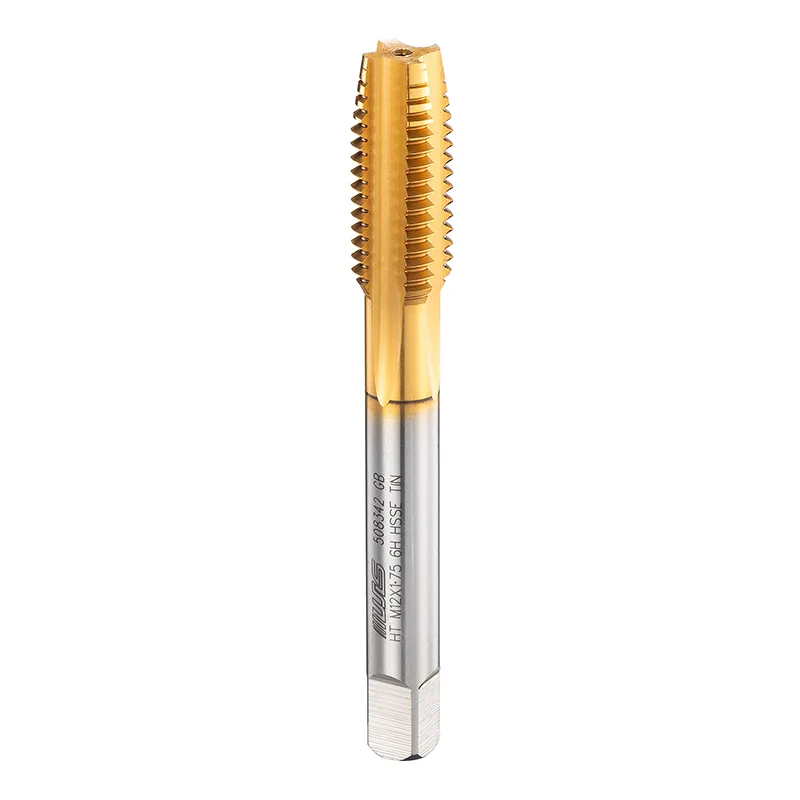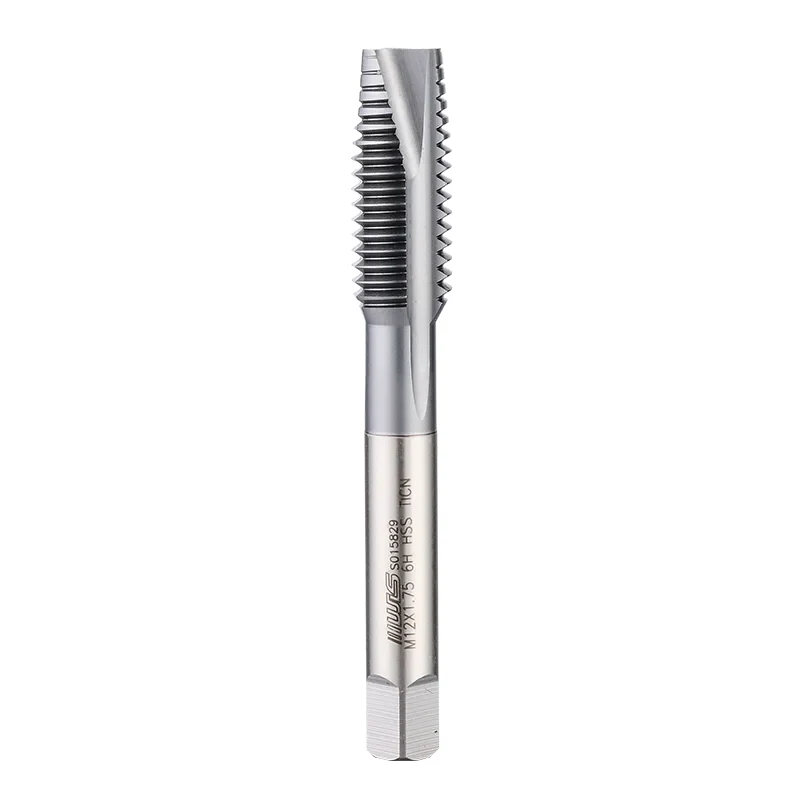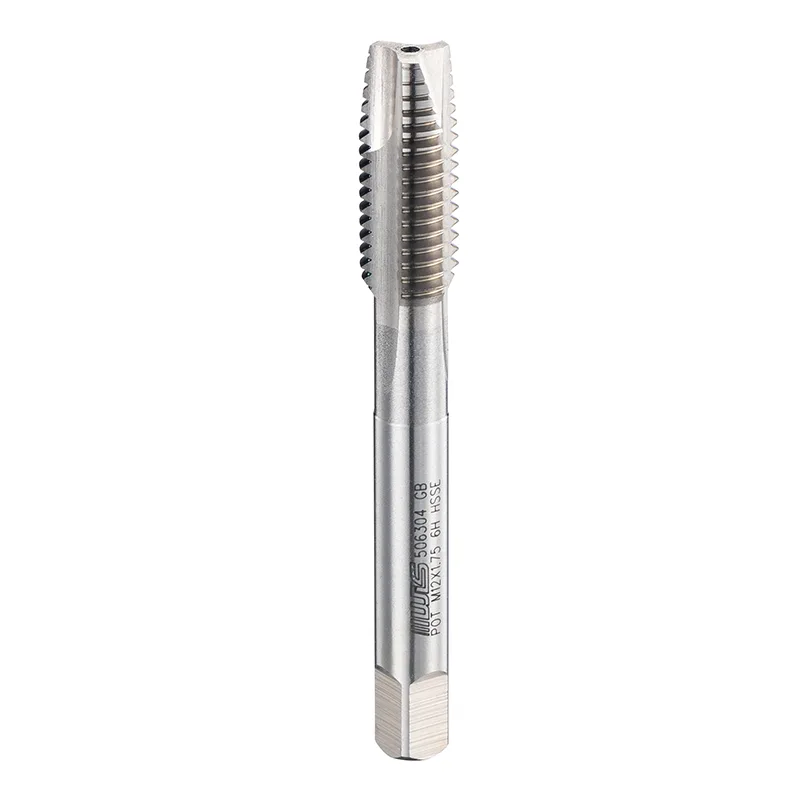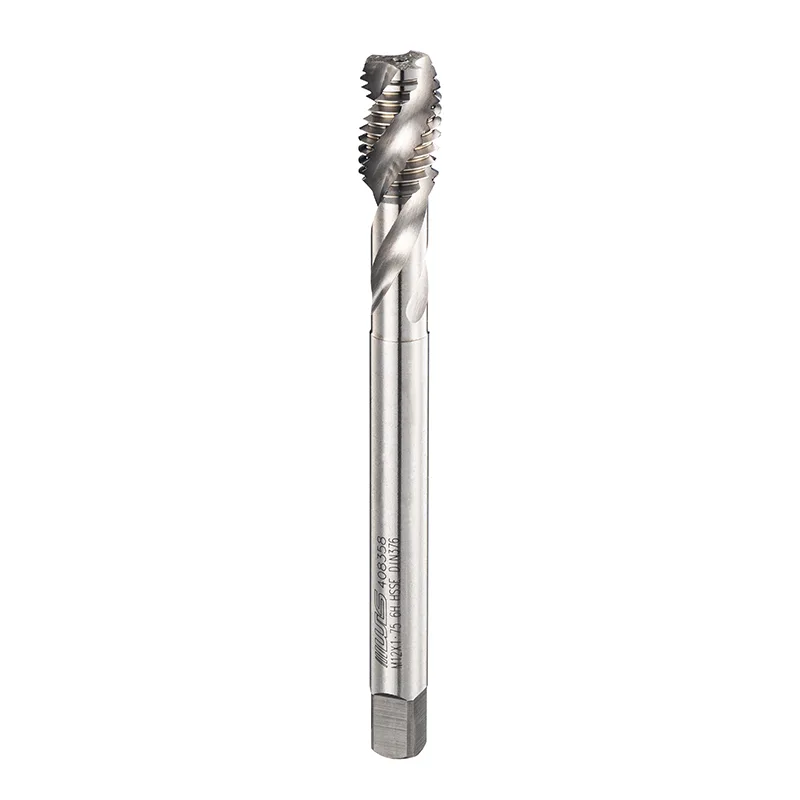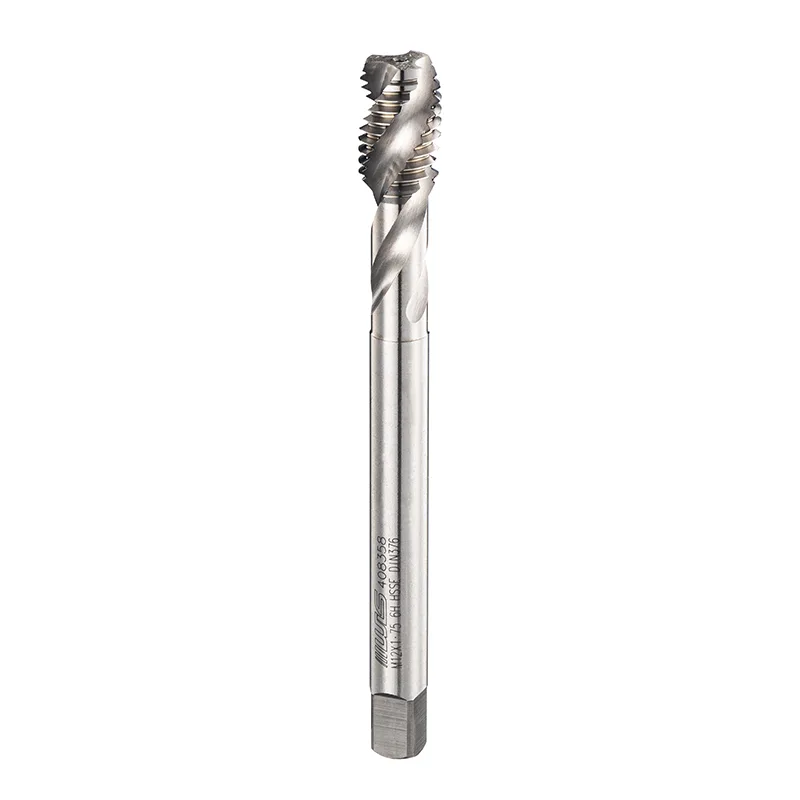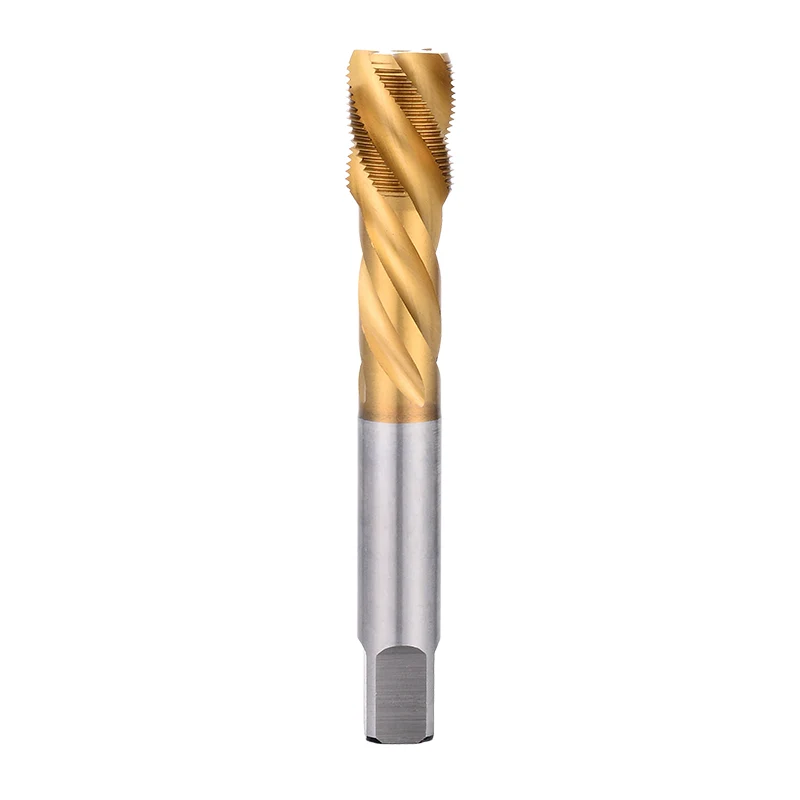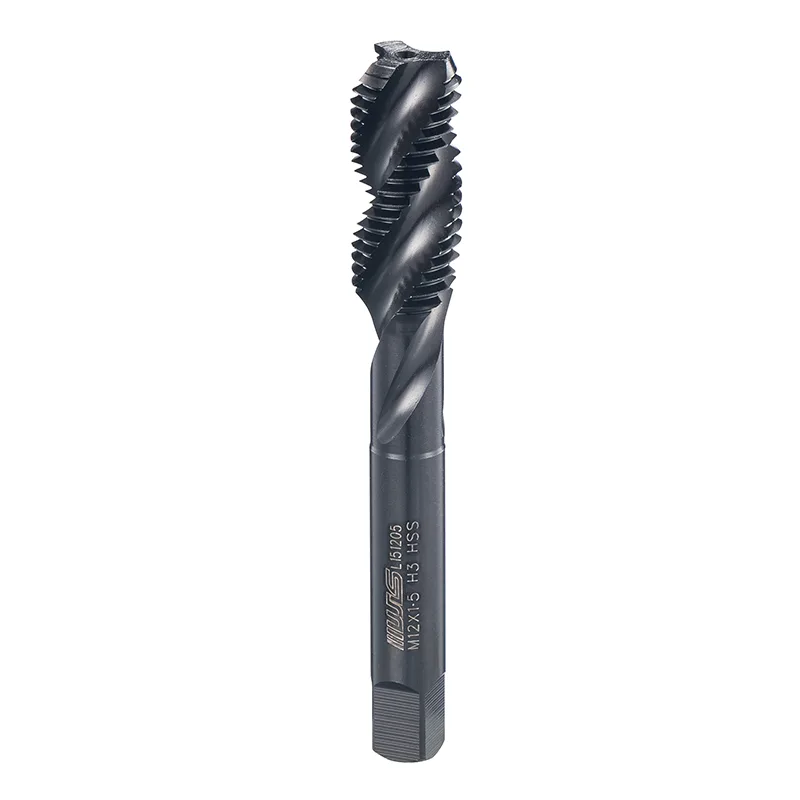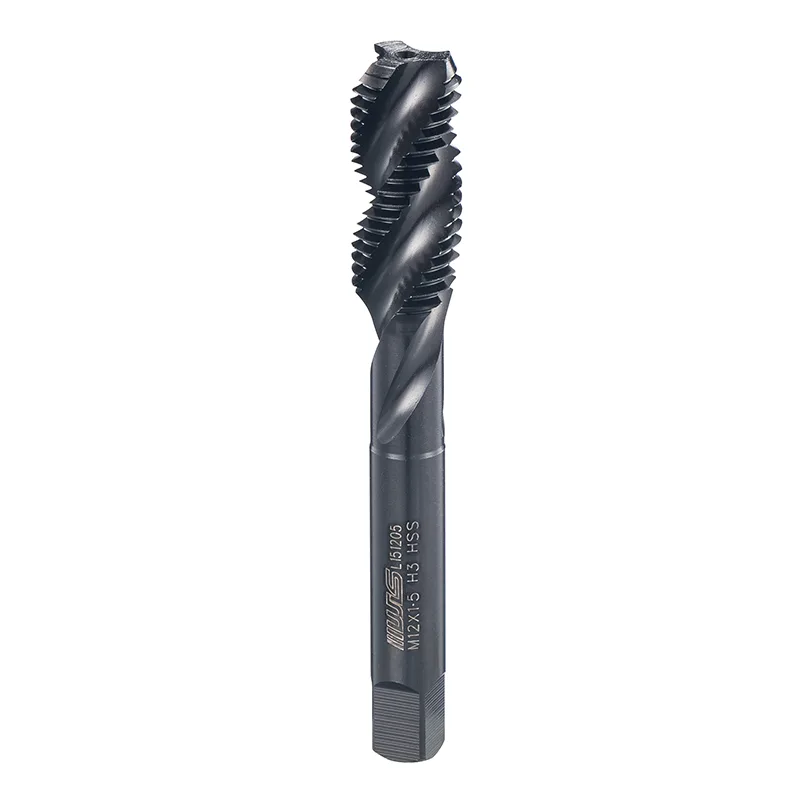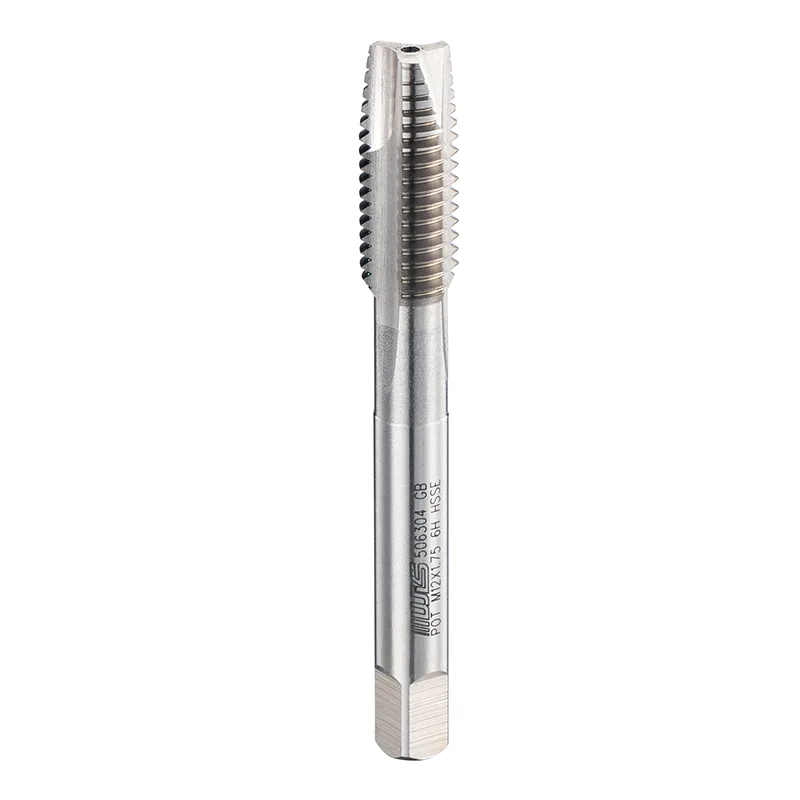
DIN Spiral Flute Taps With No Coating and the Shift Toward Flexible Machining
Flexible machining is changing how workshops manage different materials, thread specifications, and production volumes. As CNC operations become more varied, DIN Spiral Flute Taps With No Coating represent one option in a broader shift toward application-specific tooling and more adaptable production processes.
The change is driven by a practical challenge: a single machining line may need to process several component designs in one shift, while maintaining thread accuracy and limiting setup time. Rather than relying on one tool configuration for every operation, production teams are paying closer attention to tap geometry, workpiece material, hole depth, and cutting conditions.
Why Flexible Machining Is Becoming More Important
Traditional production often focuses on long runs of identical components. Flexible machining, by contrast, allows equipment and processes to accommodate changes in part geometry, material, or order volume with fewer disruptions.
This approach is relevant to automotive components, electronic equipment, molds, aerospace-related parts, and new-energy machinery. These applications may involve different thread sizes, material properties, and tolerance requirements, even when they are processed on similar CNC equipment.
Industry discussions about CNC development in 2026 increasingly emphasize automation, connected production data, and more responsive process planning. These developments make repeatability especially important: a process must remain controlled even when production requirements change.
Threading deserves particular attention because internal threads are difficult to correct once a component has reached the final machining stage. A damaged thread can lead to additional inspection, rework, or scrapped parts. Flexible production therefore requires not only adaptable equipment but also a clear method for selecting and verifying cutting tools.
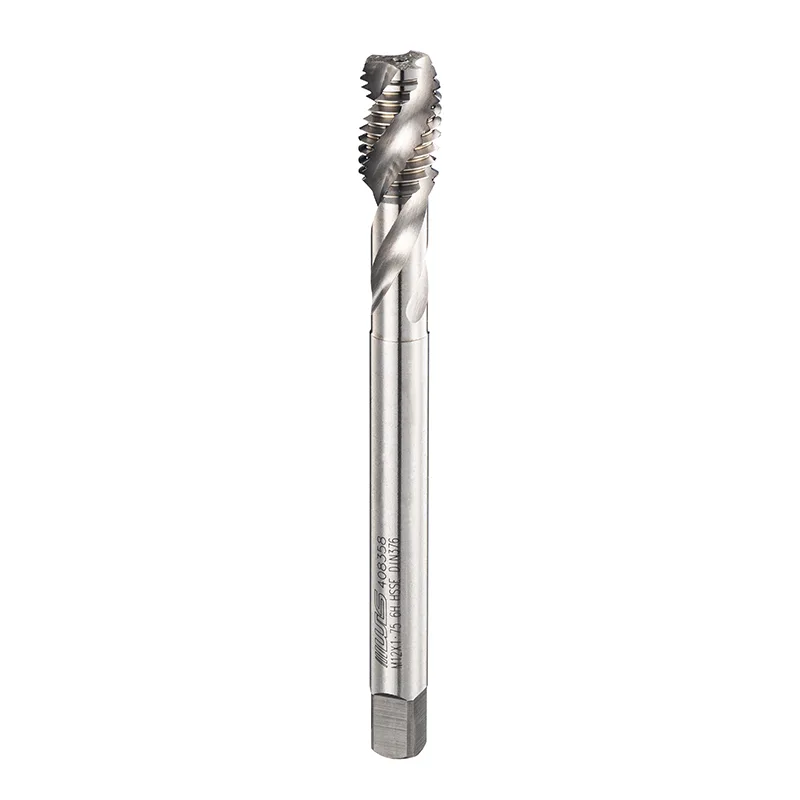
The Role of Spiral Flute Geometry
Tap geometry influences how a tool cuts material and manages the resulting chips. Spiral flute taps feature helical grooves that can help guide chips out of a hole during tapping.
This characteristic makes them relevant to many blind-hole operations, where chips cannot exit through the opposite side of the workpiece. If chips accumulate near the cutting edges, resistance may rise and the finished thread may become inconsistent.
However, chip evacuation depends on more than flute shape. Helix angle, flute space, cutting-edge geometry, workpiece material, lubrication, and machining parameters all affect performance.
For example, a deep blind hole in a material that produces long chips presents different challenges from a shallow hole in a material that breaks into short chips. Tool selection should reflect these differences rather than treating all tapping operations as interchangeable.
Why Hole Preparation Still Matters
Even a suitable tap cannot compensate for every upstream machining error. An undersized pilot hole increases the amount of material that must be removed, potentially raising cutting torque. An oversized hole can reduce thread engagement, while insufficient hole depth may cause the tap to bottom out before the required thread is complete.
Before changing a tap, machining teams should verify the drilling diameter, hole depth, alignment, thread specification, and machine synchronization. These checks help distinguish tool-related issues from problems originating elsewhere in the process.
Where No-Coating Taps Fit Into Flexible Production
Tool coatings can improve performance under particular conditions, including applications where friction, heat, or wear are significant concerns. However, coated tools are not automatically the best choice for every machining task.
A no-coating tap may be appropriate when its substrate, cutting geometry, and operating conditions match the application. Its suitability should be assessed through the material being machined, required thread quality, cutting speed, lubrication, and expected tool life.
DIN Spiral Flute Taps With No Coating should therefore be evaluated as an application-specific option, not as a universal replacement for coated taps. The absence of a coating alone does not establish lower cost per finished hole, longer tool life, or better thread quality. Those outcomes require evidence from the actual production environment.
For flexible machining, the more useful question is whether the selected tap can meet the requirements of a particular operation without introducing unnecessary process variation.
Comparing Common Threading Considerations
| Production Factor | What Needs to Be Evaluated | Why It Matters |
|---|---|---|
| Workpiece material | Hardness, machinability, chip formation | Influences cutting resistance and wear |
| Hole type | Blind hole or through hole | Determines chip evacuation requirements |
| Thread specification | Diameter, pitch, tolerance, depth | Establishes dimensional requirements |
| Tap geometry | Flute design, helix angle, cutting edges | Affects chip movement and cutting behavior |
| Surface treatment | Coated or uncoated design | Must match the operating conditions |
| CNC setup | Alignment, synchronization, rigidity | Supports repeatable thread formation |
| Inspection | Thread gauges and dimensional checks | Confirms compliance with specifications |
This comparison shows why tool selection is best handled as part of process planning. A change in one variable can affect several others, and an improvement in one area does not automatically resolve every machining problem.
Material Diversity Requires Different Decisions
Flexible machining frequently involves multiple metal types, each with its own cutting characteristics.
Carbon steel may require attention to cutting load and chip control. Stainless steel can create greater resistance and may work-harden under unsuitable conditions. Aluminum alloys can present issues related to material adhesion and chip formation, while cast iron typically produces different chip patterns.
These differences affect the choice of tap geometry, cutting parameters, and lubrication strategy. A setup that performs consistently on one material may need adjustment when the workpiece changes.
For this reason, production records are useful. Recording tool type, workpiece material, cutting conditions, tool life, and inspection results allows machining teams to compare performance across jobs. It also reduces dependence on informal adjustments when a similar component returns to production.
Flexible Tooling and Process Standardization
Flexibility does not mean changing tools and parameters without limits. In practice, adaptable production works best when changes are supported by clear standards.
A workshop can establish approved tool configurations for common material groups, document suitable tapping conditions, and define inspection intervals for critical threads. When a new part enters production, engineers can use those records as a starting point before validating the setup.
Automated CNC equipment can further support consistency through synchronized tapping cycles, tool-life monitoring, and documented machining programs. These features do not remove the need for operator judgment, but they can make problems easier to identify and reproduce.
A useful evaluation should consider more than the purchase price of a tool. Relevant measures include tool consumption, machine stoppages, rejected components, rework time, and inspection results. Comparing these factors across a meaningful production run provides a clearer picture of process performance.
What to Check Before Selecting a DIN Spiral Flute Tap
Before introducing a new tap into a flexible machining process, production teams can follow a practical sequence:
- Confirm the thread requirement. Verify the thread standard, pitch, tolerance, and required depth.
- Check the workpiece. Identify the material and consider its hardness and chip-forming behavior.
- Review the hole geometry. Establish whether the operation involves a blind hole or a through hole and confirm the pilot-hole dimensions.
- Match the tool to the operation. Evaluate flute geometry, substrate, coating status, and the manufacturer's application guidance.
- Validate the machining parameters. Check speed, feed synchronization, lubrication, and machine rigidity.
- Inspect trial components. Use appropriate gauges and dimensional checks before standardizing the process.
- Track production results. Review tool wear, thread quality, cycle interruptions, and reject rates over repeated runs.
This approach helps prevent a common mistake: attributing every threading defect to the tool when the actual cause may be an incorrect hole diameter, unsuitable cutting conditions, or poor alignment.
Precision Tool Development and Application Experience
Wilson is the brand associated with Taizhou Hongyi Precision Tools Co., Ltd., which has more than 20 years of experience in precision tools and develops products for thread cutting and measurement applications. Its range includes machine taps, spiral flute taps, rolling taps, hand taps, and DIN taps.
The company information also describes production and inspection capabilities for precision thread-cutting tools, alongside applications in automotive manufacturing, aerospace, new-energy equipment, mold production, electronic appliances, and metal processing.
This industry context reflects a wider principle in precision machining: consistent results depend on the interaction between tool design, production equipment, manufacturing processes, and inspection. No single product feature can replace the need to validate the complete operation.
Flexible Machining Depends on the Right Process, Not One Universal Tool
The shift toward flexible machining is encouraging workshops to evaluate tooling according to actual production requirements. Different materials, hole geometries, and thread specifications call for different combinations of tool design and machining conditions.
DIN Spiral Flute Taps With No Coating may suit particular threading applications when their geometry and material characteristics align with the task. Their value should be determined through process validation rather than assumptions about coating status alone.
Ultimately, flexible production depends on informed tool selection, standardized setup procedures, and consistent inspection. Wilson's precision-tool portfolio, including its DIN tapping range, illustrates the variety of tooling options used across modern machining operations. The central lesson remains straightforward: adaptability comes from matching the tool to the job and verifying the result under real production conditions.
Previous :
-
Related News
- Why DIN Spiral Flute Taps With No Coating Gain Attention in CNC Machining
- What Makes DIN Spiral Flute Taps With No Coating a Practical Choice for Precision Threading?
- How Did One Machine Shop Reduce Threading Rejects by 60%—After Switching to DIN Straight Flute Taps for Their Blind Hole Operations?
- Why Are DIN Extended Spiral Point Taps Essential for High-Performance Threading?
- Why Are ISO Spiral Flute Taps With Coating Essential for High-Precision Threading?
- How Can ISO Extended Spiral Flute Taps Improve Precision Machining Performance?
Leave me a message