How Do DIN Extended Spiral Flute Taps Improve Deep Hole Threading Performance?
DIN Extended Spiral Flute Taps are specialized threading tools designed to solve one of the most persistent machining challenges—efficient chip removal in deep-hole tapping operations. This article explores their structure, working principle, advantages, selection methods, and real-world industrial applications. It is designed to help engineers, machinists, and procurement specialists understand how these taps improve productivity, reduce tool failure, and enhance thread quality in demanding environments.
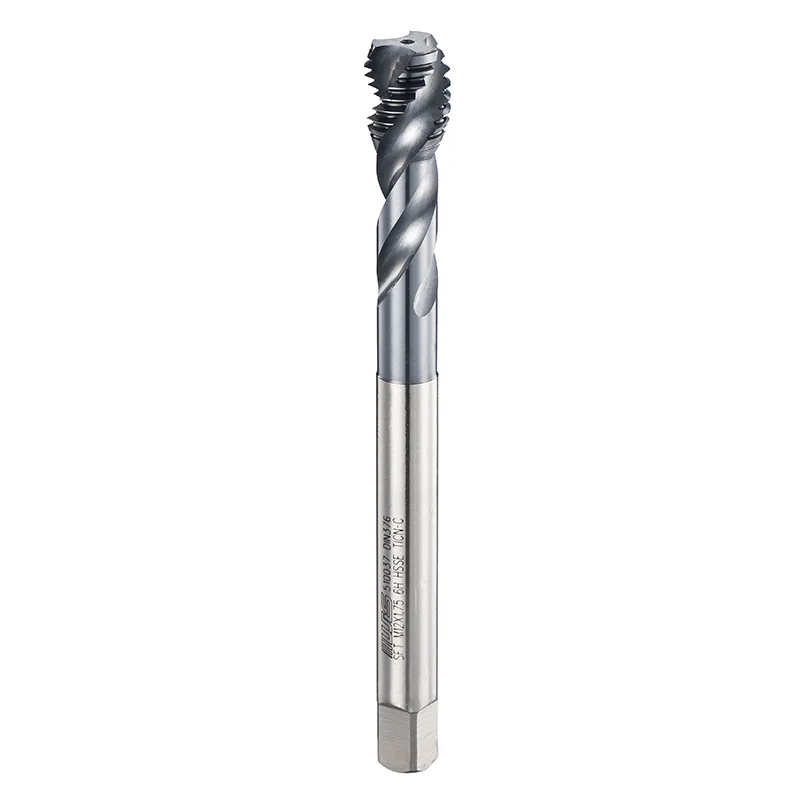
Table of Contents
- 1. Understanding DIN Extended Spiral Flute Taps
- 2. Key Challenges in Deep Hole Threading
- 3. Structural Design and Working Principle
- 4. Major Advantages in Industrial Applications
- 5. Comparison with Standard Taps
- 6. Typical Application Scenarios
- 7. How to Choose the Right Spiral Flute Tap
- 8. Maintenance and Operational Best Practices
- 9. Common Problems and Solutions
- 10. Frequently Asked Questions
- 11. Final Thoughts
1. Understanding DIN Extended Spiral Flute Taps
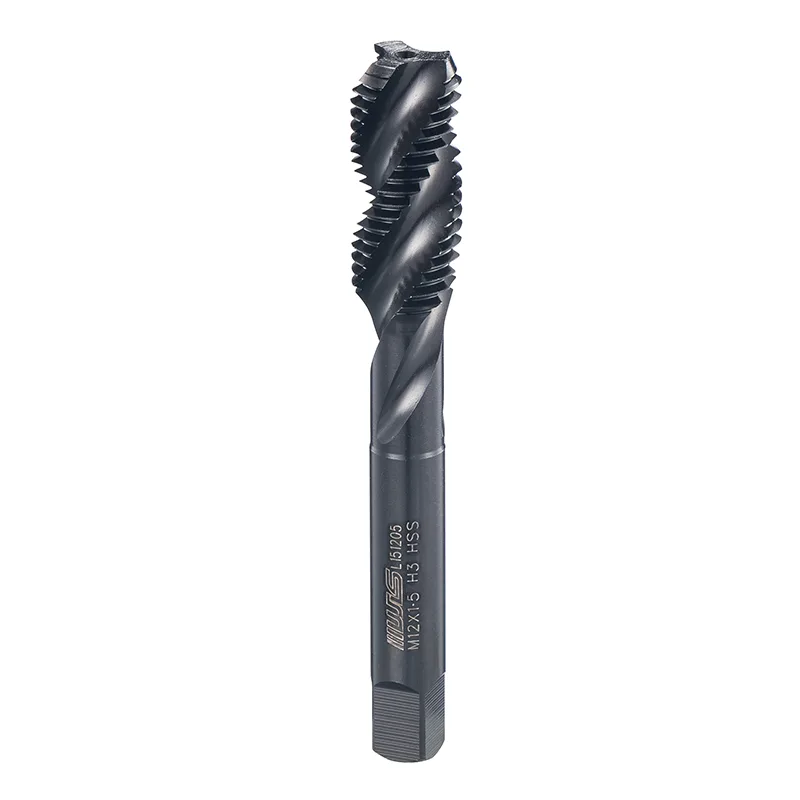
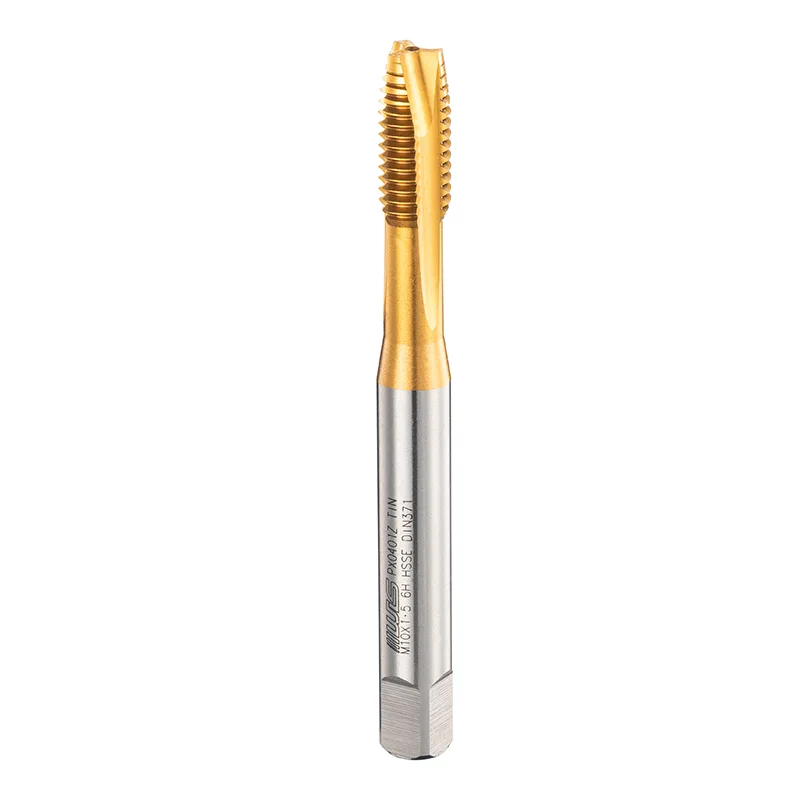
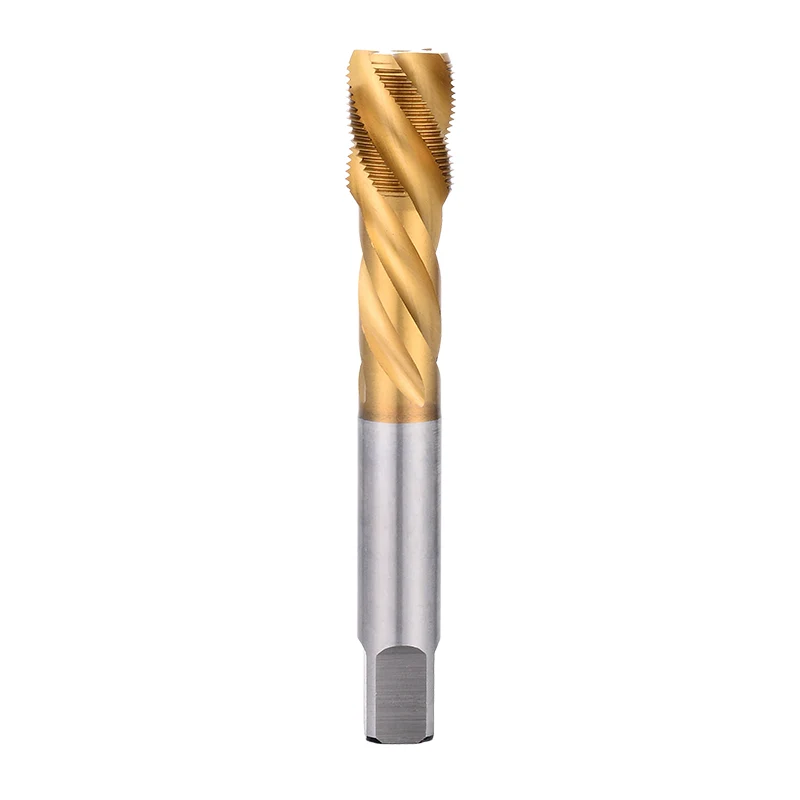
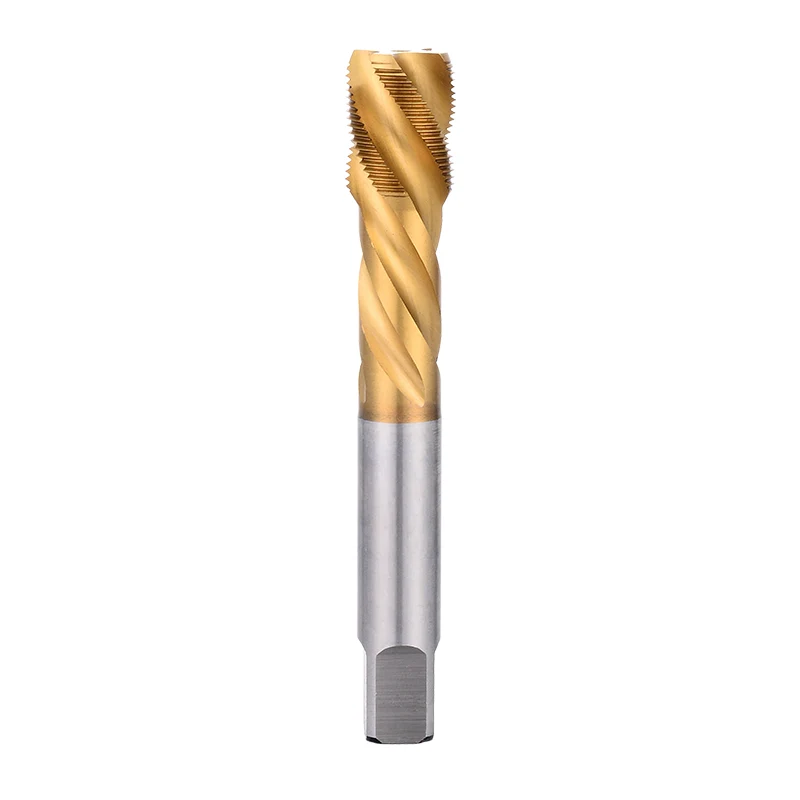
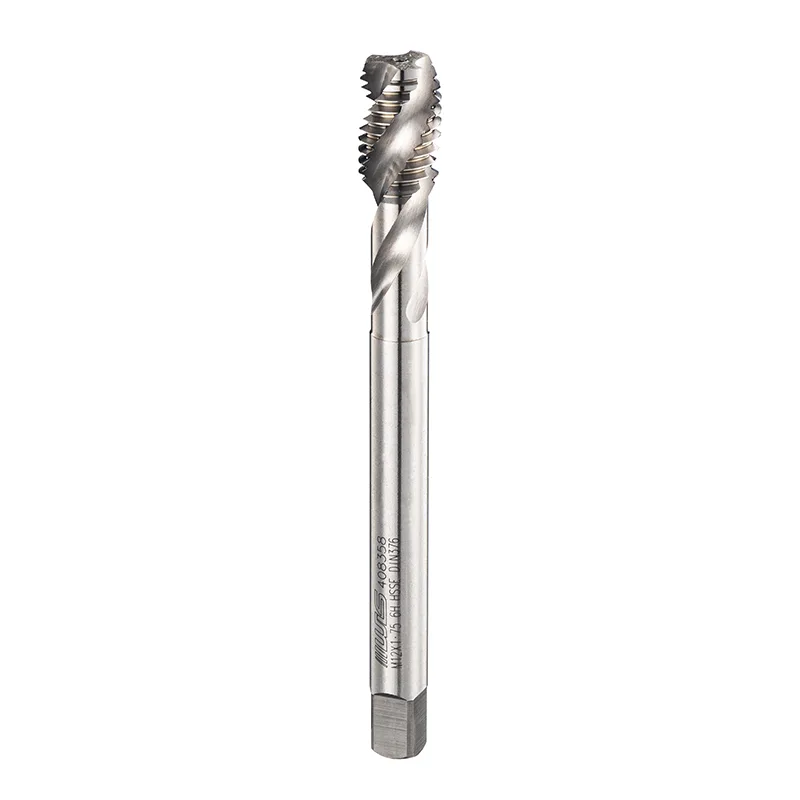
DIN Extended Spiral Flute Taps are precision threading tools manufactured according to DIN (Deutsches Institut für Normung) standards. These taps are engineered with extended flute lengths and spiral groove geometry, specifically designed to improve chip evacuation during deep-hole or blind-hole tapping operations.
Unlike conventional straight-flute taps, spiral flute taps actively lift chips out of the hole, reducing clogging and minimizing tool breakage. The "extended" design further enhances performance in applications where the thread depth is significantly greater than standard tapping requirements.
In modern machining environments where efficiency and precision are critical, these taps are widely used in automotive manufacturing, aerospace components, mold production, and heavy machinery industries.
2. Key Challenges in Deep Hole Threading
Deep-hole threading presents multiple engineering difficulties that can affect productivity and tool life.
Common pain points include:
- Chip accumulation inside deep holes
- Increased tool breakage risk due to clogging
- Heat buildup during continuous cutting
- Poor thread surface finish
- Limited coolant penetration
When chips are not effectively removed, they compress inside the hole, causing excessive torque on the tap. This often leads to tool failure and scrapped workpieces, increasing production costs significantly.
3. Structural Design and Working Principle
The performance of DIN Extended Spiral Flute Taps lies in their unique geometry and cutting mechanism.
Core structural features:
- Spiral flute angle: Designed to pull chips upward
- Extended flute length: Supports deeper thread engagement
- Precision-ground cutting edges: Ensures smooth cutting action
- High-strength tool material: Typically HSS-E or carbide
During operation, the spiral flutes act like a screw conveyor, lifting chips out of the hole instead of pushing them downward. This continuous evacuation process ensures smoother cutting and reduces friction between tool and workpiece.
The extended design also ensures that cutting force is distributed evenly, improving stability during deep threading cycles.
4. Major Advantages in Industrial Applications
DIN Extended Spiral Flute Taps provide significant operational benefits across multiple industries.
Key advantages include:
- Improved chip evacuation efficiency
- Reduced risk of tool breakage
- Higher machining speed capability
- Enhanced thread accuracy and surface finish
- Longer tool life under heavy-duty conditions
These advantages make them particularly valuable in high-volume production environments where downtime and tool failure can result in significant financial losses.
5. Comparison with Standard Taps
| Feature | Standard Straight Flute Tap | DIN Extended Spiral Flute Tap |
|---|---|---|
| Chip Removal | Limited, relies on chip packing | Efficient upward chip evacuation |
| Deep Hole Performance | Poor | Excellent |
| Tool Life | Shorter in heavy-duty use | Significantly longer |
| Surface Finish | Moderate | Smooth and precise |
| Application Range | Shallow holes | Deep and blind holes |
6. Typical Application Scenarios
DIN Extended Spiral Flute Taps are widely used in industries requiring precision threading in deep or confined spaces.
Common applications:
- Automotive engine components
- Aerospace structural parts
- Hydraulic system housings
- Injection mold components
- Heavy machinery assemblies
In these industries, consistent thread quality and tool reliability are essential for maintaining production efficiency and safety standards.
7. How to Choose the Right Spiral Flute Tap
Selecting the correct tap is essential for achieving optimal machining results.
Key selection factors:
- Workpiece material: Steel, aluminum, stainless steel, etc.
- Hole depth: Determines flute length requirement
- Thread size and pitch: Must match design specifications
- Coating type: TiN, TiAlN for wear resistance
- Machine type: CNC or manual tapping
For deep-hole applications, selecting a tap with a proper spiral angle and extended flute design is critical to prevent chip congestion and tool stress.
8. Maintenance and Operational Best Practices
Proper maintenance can significantly extend tool life and improve machining stability.
Recommended practices:
- Use appropriate cutting fluid for lubrication and cooling
- Maintain correct spindle speed and feed rate
- Clean chips regularly during operation
- Inspect tool wear after each production cycle
- Store tools in dry, protective environments
Following these guidelines ensures consistent performance and reduces unexpected downtime.
9. Common Problems and Solutions
| Problem | Possible Cause | Solution |
|---|---|---|
| Tap breakage | Chip clogging or excessive torque | Improve chip evacuation, reduce feed rate |
| Poor thread quality | Incorrect speed or worn tool | Adjust machining parameters or replace tool |
| Overheating | Insufficient lubrication | Use better cutting fluid |
| Thread misalignment | Improper machine setup | Recalibrate alignment |
10. Frequently Asked Questions
Q1: What makes DIN Extended Spiral Flute Taps different from standard taps?
They feature extended flute lengths and spiral geometry that improve chip evacuation in deep-hole applications.
Q2: Can they be used for all materials?
Yes, but selection of coating and cutting parameters must match the material type.
Q3: Are they suitable for CNC machines?
Yes, they are widely used in CNC machining centers for high-precision threading.
Q4: What is the main benefit in production?
Reduced tool failure and improved efficiency in deep-hole threading operations.
Q5: How long do they typically last?
Tool life depends on usage conditions, but they generally last significantly longer than standard taps in deep-hole applications.
11. Final Thoughts
DIN Extended Spiral Flute Taps are essential tools for modern machining environments where precision, depth, and reliability are required. Their advanced design significantly improves chip evacuation, reduces operational risks, and enhances overall productivity.
By selecting the right specifications and following proper machining practices, manufacturers can achieve stable, high-quality threading results even in the most demanding applications.
For high-quality DIN Extended Spiral Flute Taps and customized tooling solutions, you can rely on industry expertise and precision engineering support from Taizhou Hongyi Precision Tools Co.,Ltd.
If you are looking for stable performance tools that improve your production efficiency and reduce machining risks, feel free to contact us for technical consultation, product specifications, and customized solutions tailored to your needs.
Related News
- DIN Spiral Flute Taps With No Coating and the Shift Toward Flexible Machining
- Why DIN Spiral Flute Taps With No Coating Gain Attention in CNC Machining
- What Makes DIN Spiral Flute Taps With No Coating a Practical Choice for Precision Threading?
- How Did One Machine Shop Reduce Threading Rejects by 60%—After Switching to DIN Straight Flute Taps for Their Blind Hole Operations?
- Why Are DIN Extended Spiral Point Taps Essential for High-Performance Threading?
- Why Are ISO Spiral Flute Taps With Coating Essential for High-Precision Threading?
Leave me a message