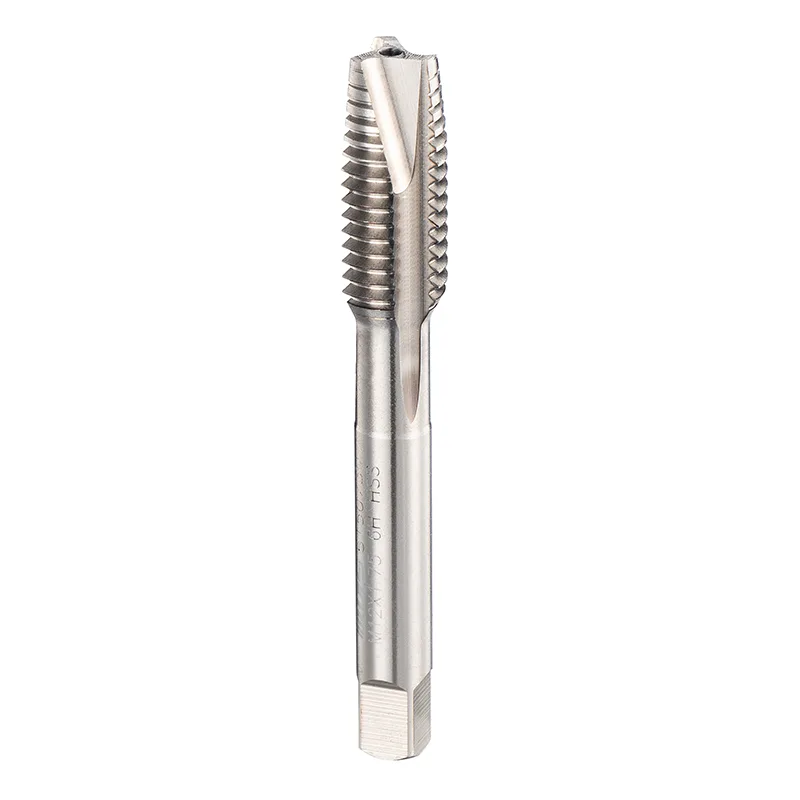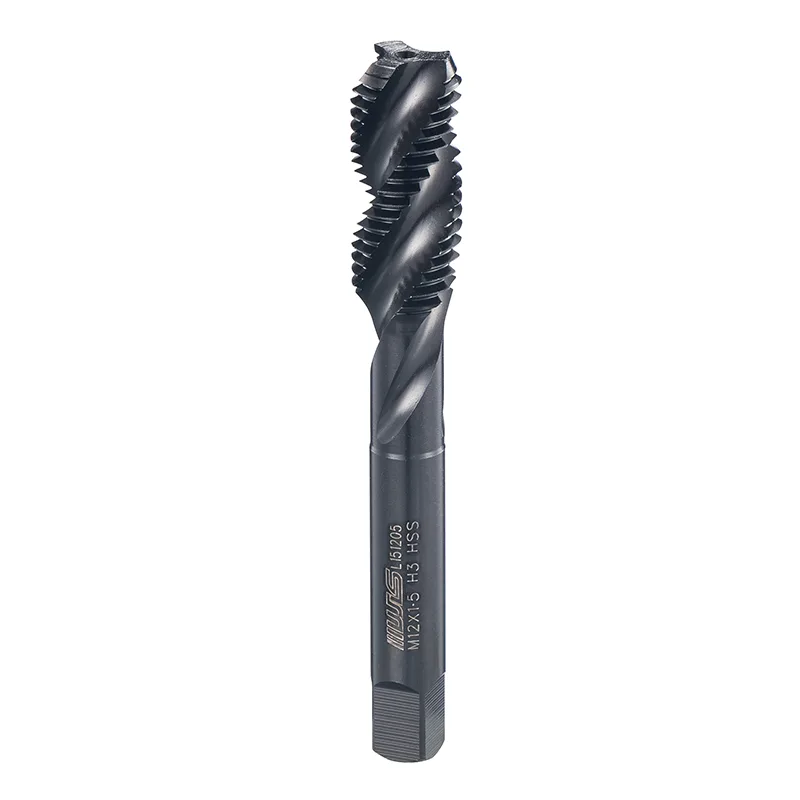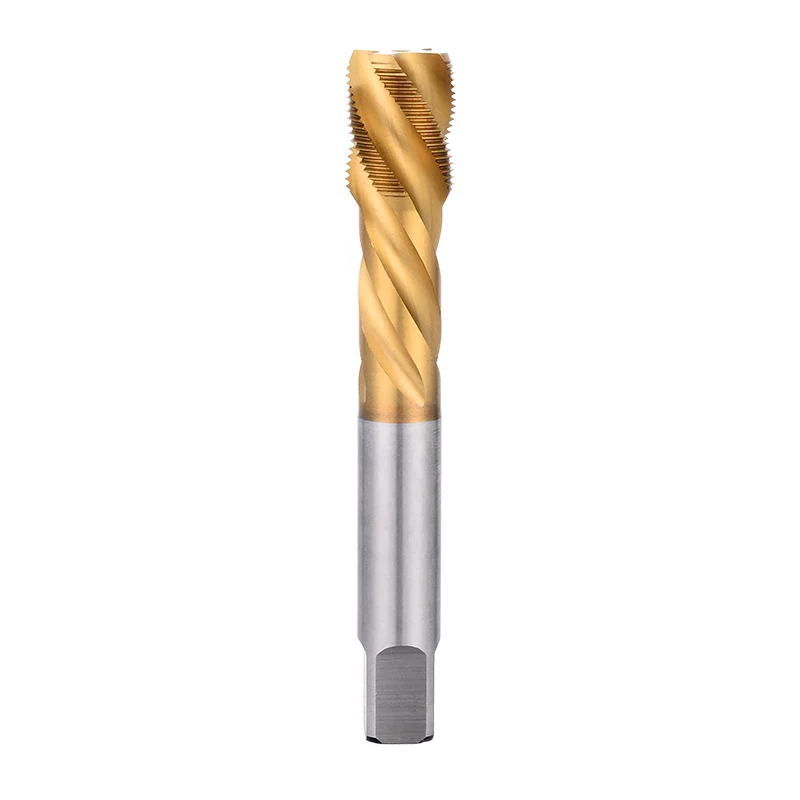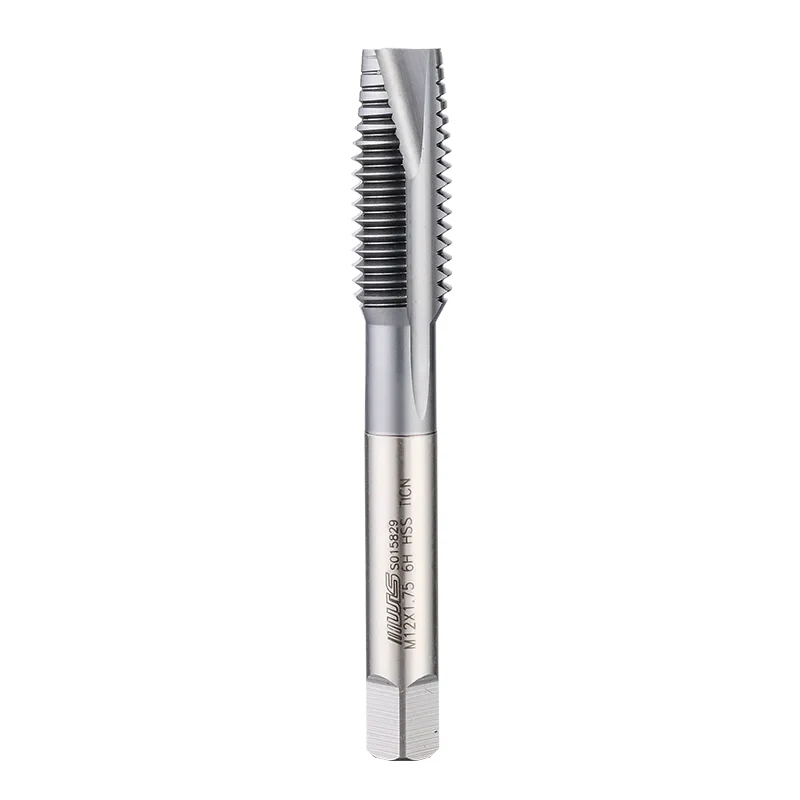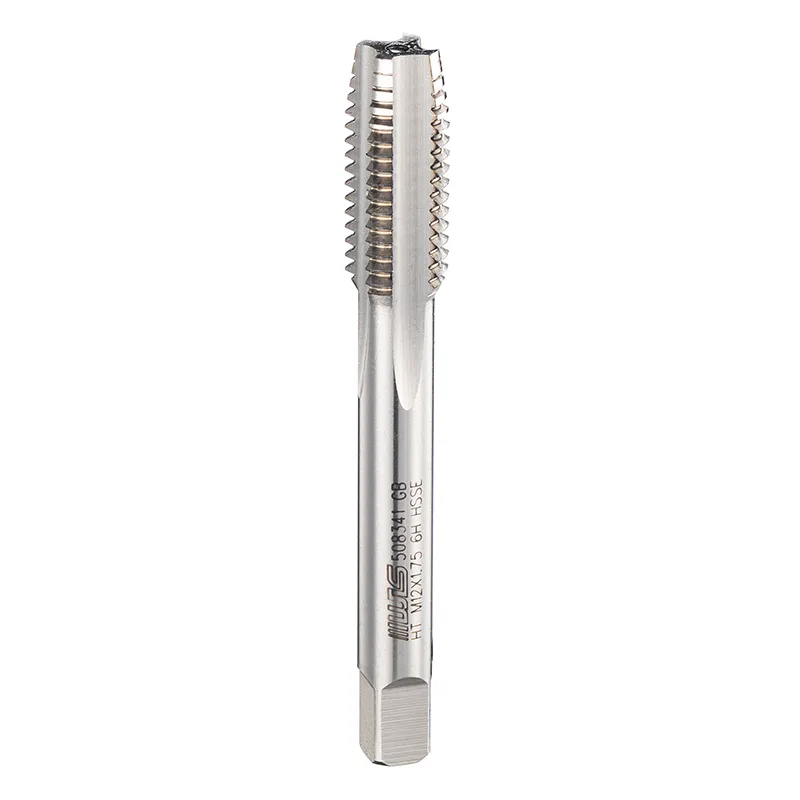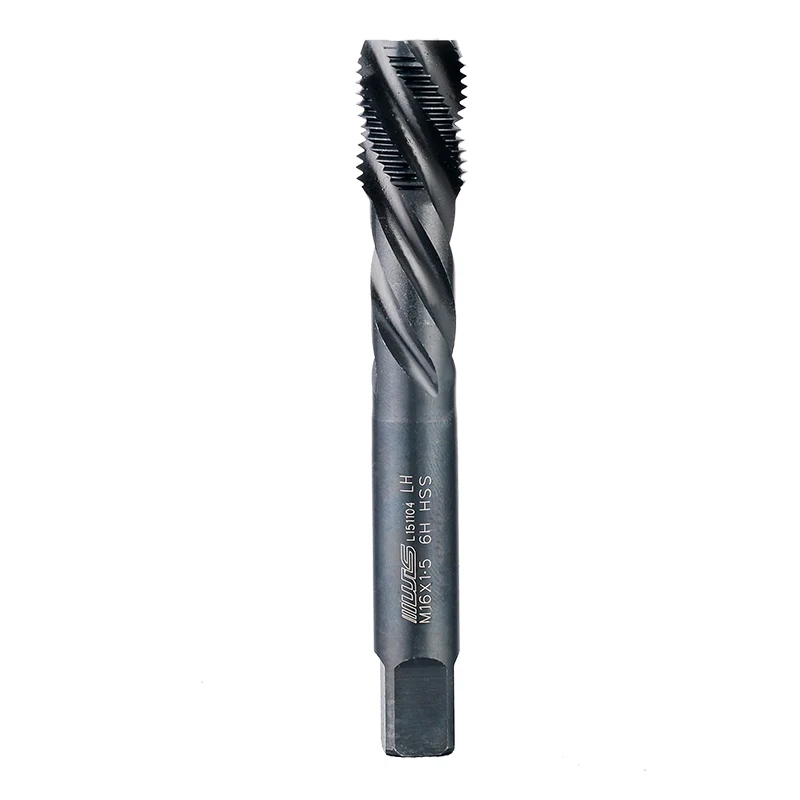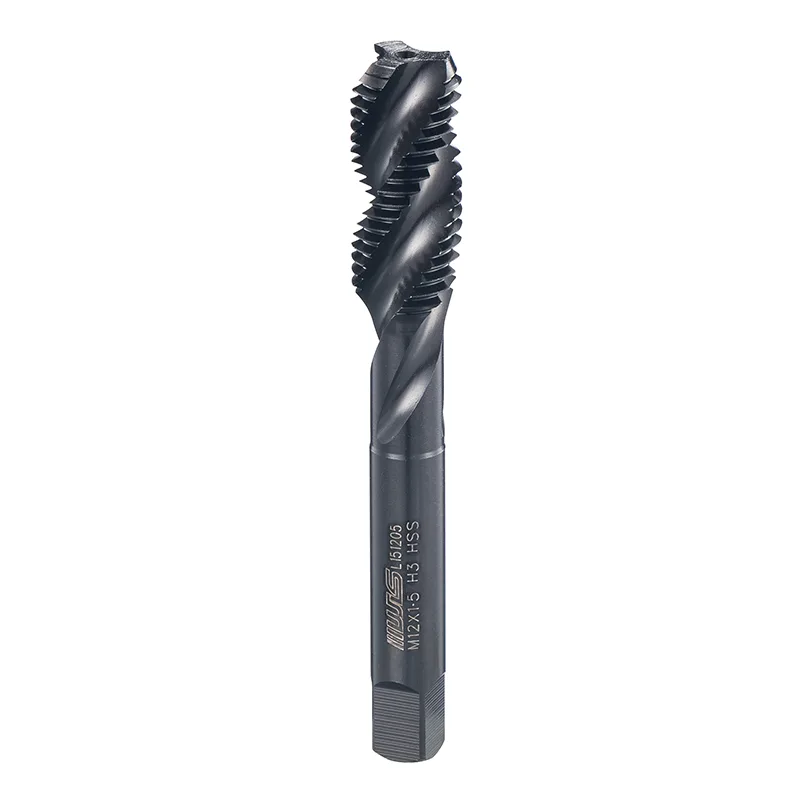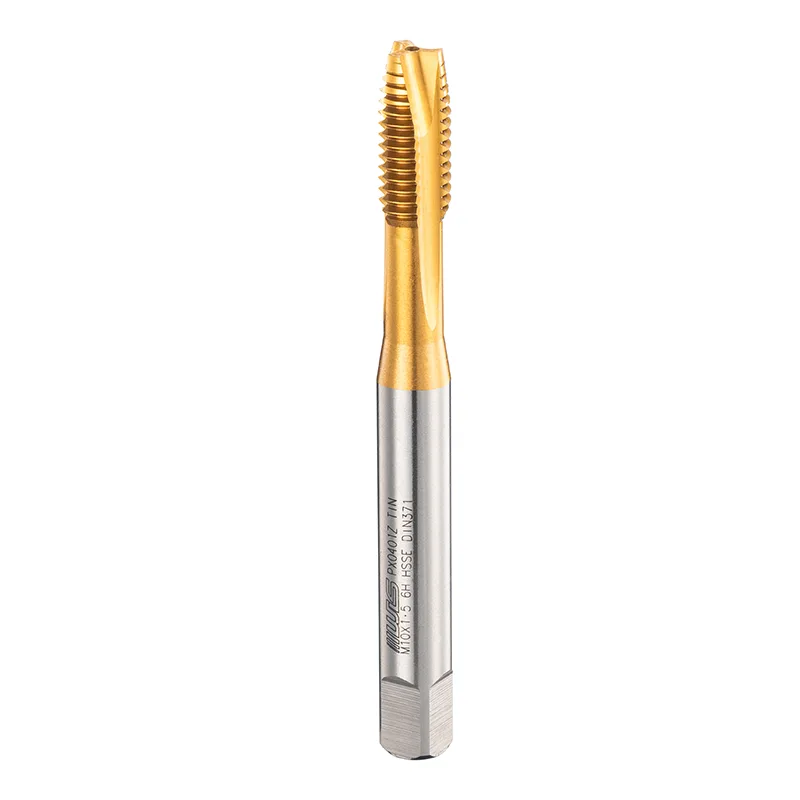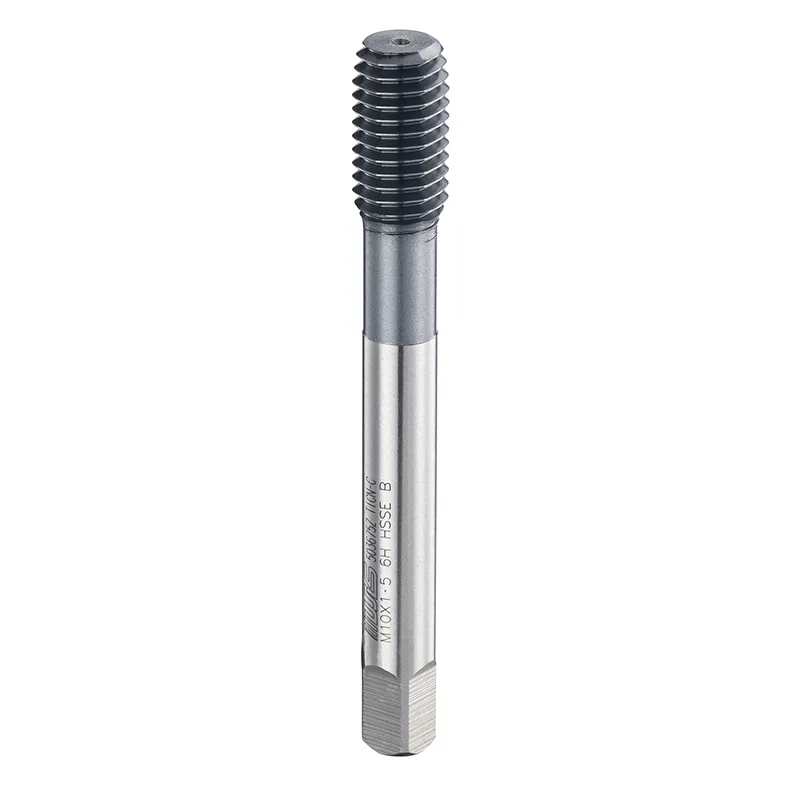
How DIN Spiral Flute Taps With No Coating Reduce Tooling Costs in Manufacturing
Tooling costs extend beyond the price of a cutting tool. Frequent replacements, broken taps, rejected components, and machine downtime all increase the cost of producing threaded parts. As CNC workshops look for more efficient production methods, DIN Spiral Flute Taps With No Coating offer a useful perspective on how tool selection affects manufacturing expenses.
The main consideration is not simply whether a tap has a coating. It is how its geometry, cutting performance, and service life affect the cost of producing acceptable threads.
Why Threading Costs Are Often Overlooked
Tapping occupies only a small part of many machining cycles, but defects at this stage can compromise an entire component. A damaged internal thread may require rework or lead to rejection. A broken tap inside a workpiece can also interrupt production and complicate part recovery.
Common sources of additional costs include premature tool wear, excessive cutting torque, poor hole preparation, frequent tool changes, and inconsistent thread quality. Addressing these problems requires examining the complete threading process rather than focusing on tool price alone.
How Spiral Flute Design Affects Production Efficiency
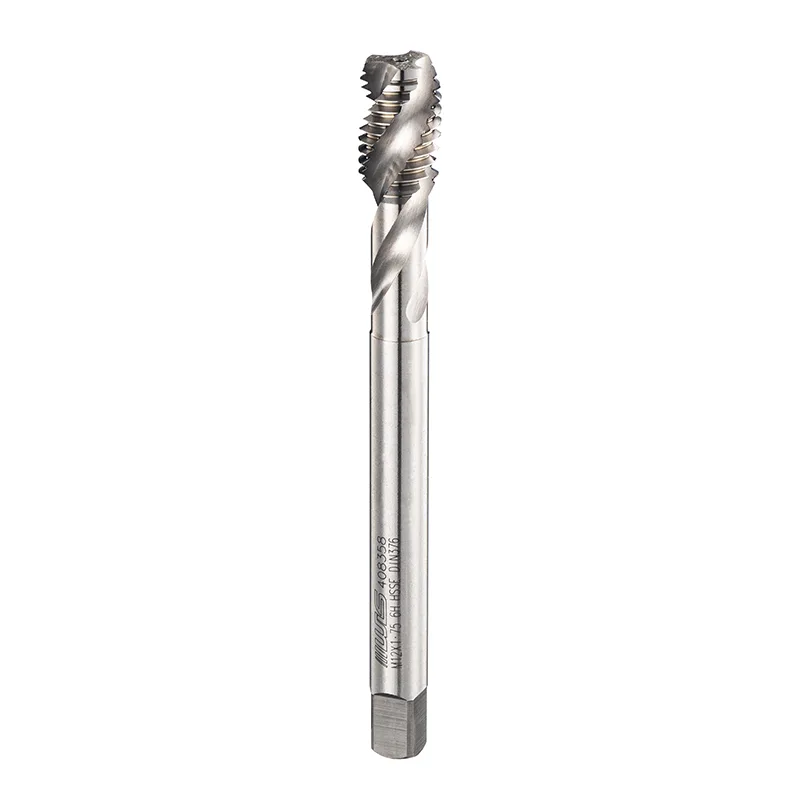
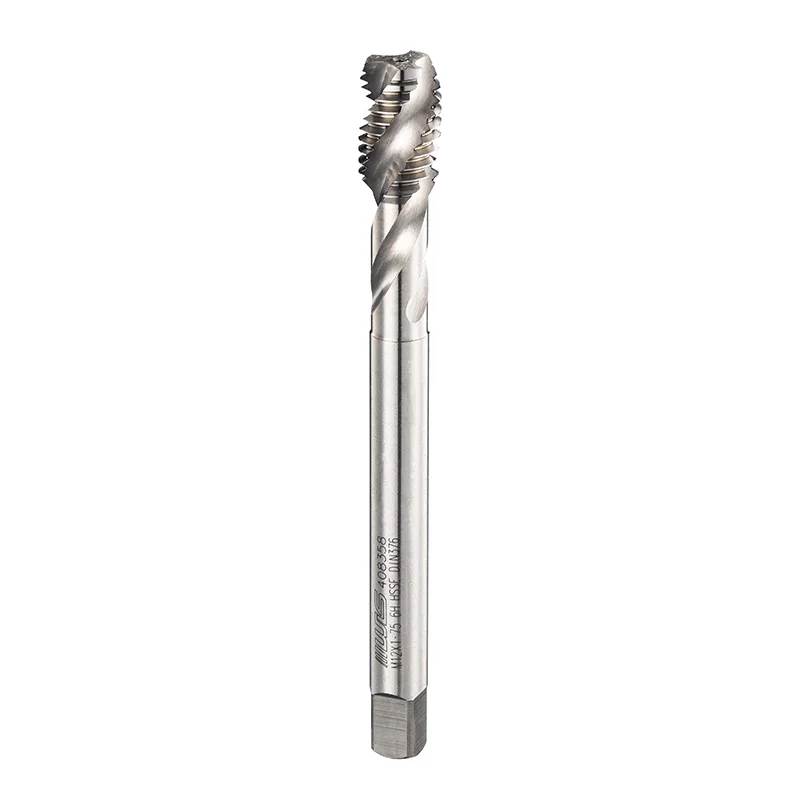
Spiral flute taps feature helical grooves that help direct chips away from the cutting area. This design is particularly useful in many blind-hole operations, where chips cannot exit through the opposite side of the workpiece.
Poor chip evacuation can increase cutting resistance, damage thread surfaces, and contribute to tap breakage. Suitable spiral flute geometry helps manage chip movement and supports consistent thread formation.
The production benefit comes from reducing avoidable interruptions and maintaining acceptable thread quality. Material properties, flute geometry, hole depth, lubrication, and cutting parameters all influence the final result.
Do Uncoated Taps Offer a Cost Advantage?
Coatings can improve wear resistance and reduce friction in specific machining applications. However, not every operation requires the same surface treatment.
Uncoated taps can be suitable for applications where the tool substrate, cutting-edge quality, and machining conditions provide the required performance without an additional coating. Their economic appeal lies in matching the tool to the job rather than paying for features that offer limited value in a particular operation.
The distinction between purchase price and operating cost is important. A lower-priced tap may require more frequent replacement, while a coated tap may deliver better economics in applications that benefit from its wear characteristics.
DIN Spiral Flute Taps With No Coating should therefore be evaluated by their performance in the intended application, including tool life, thread accuracy, and production consistency.
Comparing Tool Price With Total Operating Cost
A practical comparison considers the full cost of producing acceptable threads.
| Cost Factor | What to Measure | Impact on Production |
|---|---|---|
| Tool purchase | Cost per tap | Direct tooling expenditure |
| Tool life | Acceptable holes per tap | Replacement frequency |
| Tool changes | Changeover time | Available machine time |
| Tap breakage | Failure frequency and recovery time | Downtime and potential scrap |
| Thread rejects | Defective components per run | Rework and material losses |
| Inspection | Time spent checking threads | Production overhead |
| Cycle time | Time per completed component | Overall throughput |
Comparisons should use equivalent materials, thread specifications, hole depths, and machining conditions to produce meaningful results.
Calculating the Cost Per Acceptable Thread
Consider a hypothetical operation producing 10,000 threaded holes. If one tap produces 500 acceptable holes, approximately 20 taps are required. If another produces 800 acceptable holes under equivalent conditions, approximately 13 taps are needed.
That represents seven fewer taps over the production run. Whether the second option delivers greater overall savings depends on tool price, machining time, breakage, inspection results, and reject rates.
A practical measurement is:
Cost per acceptable threaded hole = Total threading cost ÷ Number of acceptable threaded holes
Total threading cost includes tool consumption, allocated machine time, labor, rework, and scrap associated with the operation.
This calculation gives production teams a clearer comparison than unit price alone.
Material Compatibility Determines Tool Performance
Different materials create different cutting conditions, directly influencing tap wear and thread quality.
Carbon steel requires attention to cutting load and chip control. Stainless steel can generate high cutting resistance and work-hardening challenges. Aluminum alloys may present chip-formation and material-adhesion issues, while cast iron generally produces different chip characteristics.
These differences affect tool geometry, cutting parameters, and lubrication requirements. A setup that performs well on one material may need adjustment for another.
For blind-hole operations, hole depth and chip evacuation are particularly important because the available space for chips is limited. Matching the tap to the workpiece and thread requirements helps prevent avoidable wear and machining defects.
Four Ways to Control Threading Expenses
1. Verify the Pilot-Hole Diameter
An undersized pilot hole increases the amount of material the tap must remove, raising cutting torque and potentially accelerating wear. An oversized hole reduces thread engagement. Checking the drilling diameter before tapping helps prevent both problems.
2. Standardize Cutting Conditions
Tapping speed, feed synchronization, lubrication, and coolant delivery affect cutting performance. Documented machining parameters reduce unnecessary adjustments and make production results easier to reproduce.
3. Monitor Tool Wear and Thread Quality
Tool life should be measured alongside thread dimensions, gauge results, and surface condition. Consistent inspection helps identify wear before it causes widespread defects or unexpected tool failure.
4. Track Production Results
Recording tool consumption, machine stoppages, rejected threads, and replacement intervals reveals where costs originate. These records also help distinguish tool-related problems from machine issues or incorrect hole preparation.
Why Standardization Matters in CNC Manufacturing
CNC workshops often process multiple component types, making repeatable setup procedures increasingly valuable. Standardized tool specifications, machining programs, and inspection methods reduce dependence on individual adjustments.
Documented tapping procedures can identify suitable tools for common materials and thread sizes. When a new component enters production, these records provide a starting point for selecting and validating the process.
This approach is relevant to automotive components, molds, electronic equipment, aerospace-related parts, and new-energy machinery, where thread accuracy affects assembly quality and downstream production.
The objective is to make tool changes and process adjustments measurable rather than relying on repeated trial and error.
How DIN Standards Support Tool Selection
DIN standards provide established references for dimensional and technical requirements in industrial machining. For threading operations, the applicable specification defines requirements such as thread diameter, pitch, and tolerance.
Selecting a DIN-standard tap is only one part of the decision. The tap's geometry must also match the material, hole configuration, and machining process.
DIN Spiral Flute Taps With No Coating are relevant to applications where spiral flute geometry and the tool's cutting characteristics meet the specified threading requirements. Their economic value can be assessed through tool-life records, inspection results, and cost-per-hole calculations.
Precision Tooling in Modern Manufacturing
Wilson, associated with Taizhou Hongyi Precision Tools Co., Ltd., has more than 20 years of experience in precision tools. Its product range includes machine taps, spiral flute taps, rolling taps, hand taps, and DIN taps for automotive manufacturing, aerospace applications, mold production, electronic appliances, new-energy equipment, and metal processing.
These applications demonstrate the importance of matching tool design with production requirements. Tool geometry and manufacturing precision influence cutting performance, while machining conditions determine the consistency of the finished thread.
The Bottom Line: Measure the Cost Per Finished Thread
Reducing tooling costs requires more than choosing the lowest-priced tap. The most useful comparison measures the cost of producing acceptable threads, including tool consumption, downtime, rework, and rejected components.
DIN Spiral Flute Taps With No Coating provide an option for machining applications suited to their geometry and cutting characteristics. Their cost-effectiveness is best assessed through actual production data rather than coating status alone.
For precision machining, effective cost control combines appropriate tool selection, correct hole preparation, standardized cutting conditions, and consistent inspection. Measuring the cost per acceptable threaded hole provides a practical basis for improving tooling decisions and manufacturing efficiency.
Previous :
-
Related News
- DIN Spiral Flute Taps With No Coating and the Shift Toward Flexible Machining
- Why DIN Spiral Flute Taps With No Coating Gain Attention in CNC Machining
- What Makes DIN Spiral Flute Taps With No Coating a Practical Choice for Precision Threading?
- How Did One Machine Shop Reduce Threading Rejects by 60%—After Switching to DIN Straight Flute Taps for Their Blind Hole Operations?
- Why Are DIN Extended Spiral Point Taps Essential for High-Performance Threading?
- Why Are ISO Spiral Flute Taps With Coating Essential for High-Precision Threading?
Leave me a message