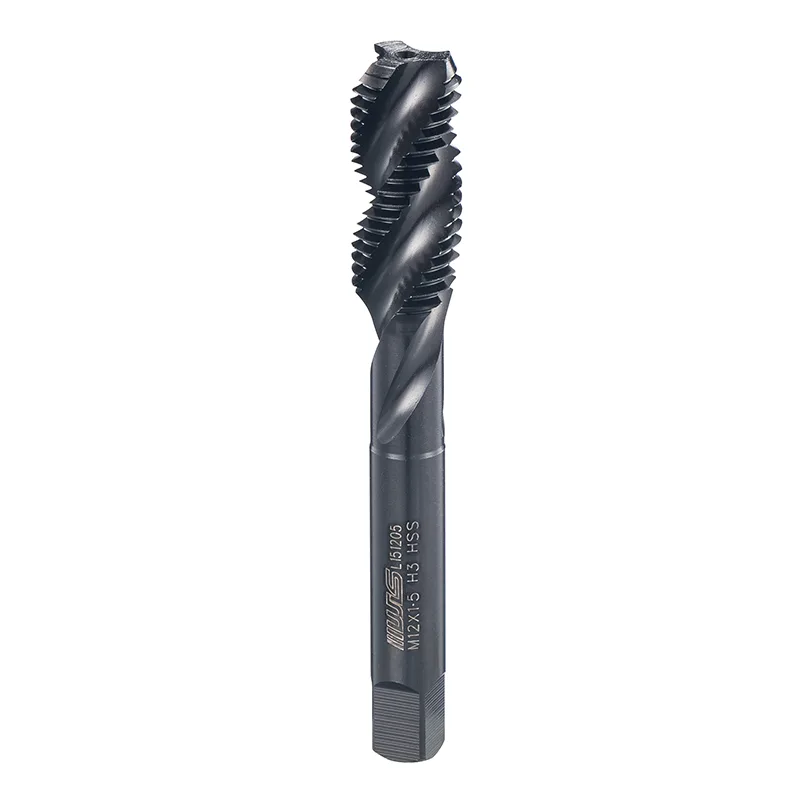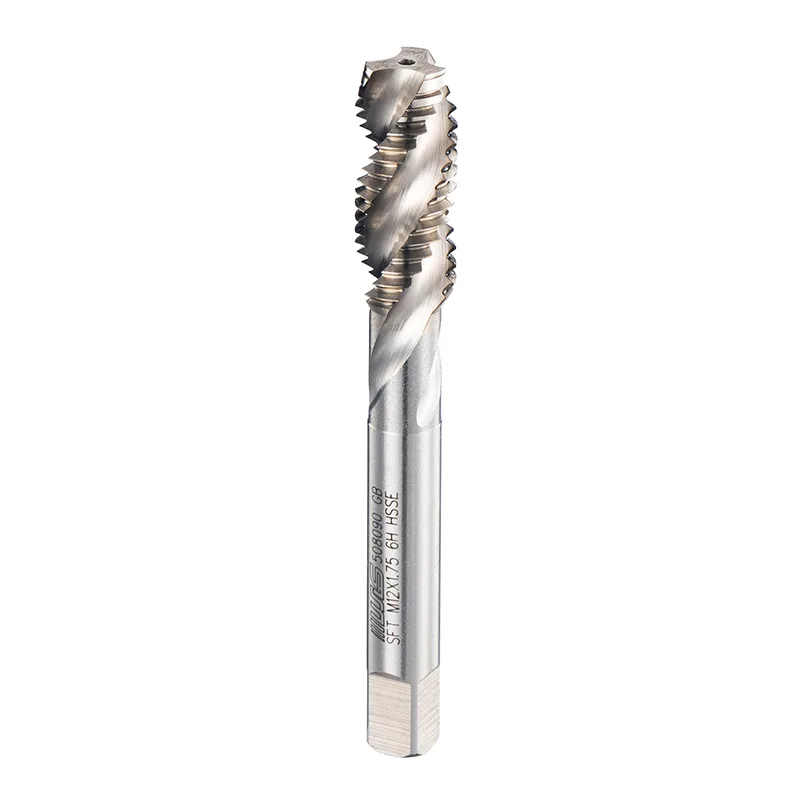
Why Are DIN Straight Flute Taps Essential for Precision Threading?
DIN straight flute taps are indispensable tools in modern machining, ensuring precise threading for various materials. This article explores their design, types, applications, advantages, and maintenance, helping manufacturers and engineers optimize productivity and quality. With insights from Taizhou Hongyi Precision Tools Co.,Ltd., we provide a comprehensive guide for professionals seeking efficiency and durability in threading operations.
Table of Contents
- 1. Introduction to DIN Straight Flute Taps
- 2. Design and Specifications
- 3. Types of DIN Straight Flute Taps
- 4. Applications Across Industries
- 5. Advantages and Customer Benefits
- 6. How to Select the Right Tap
- 7. Maintenance and Longevity Tips
- 8. Frequently Asked Questions
1. Introduction to DIN Straight Flute Taps
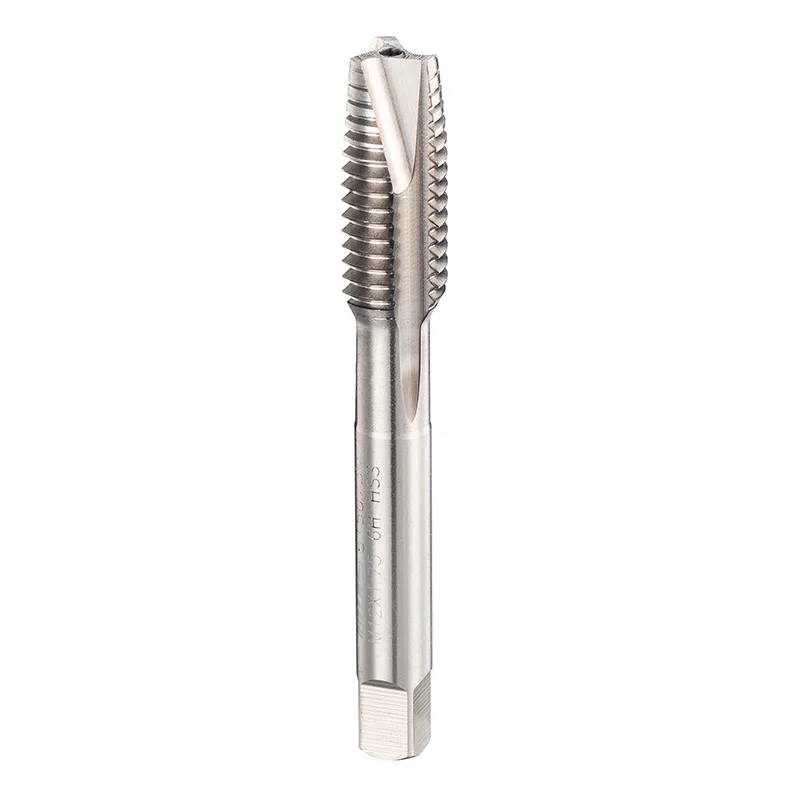
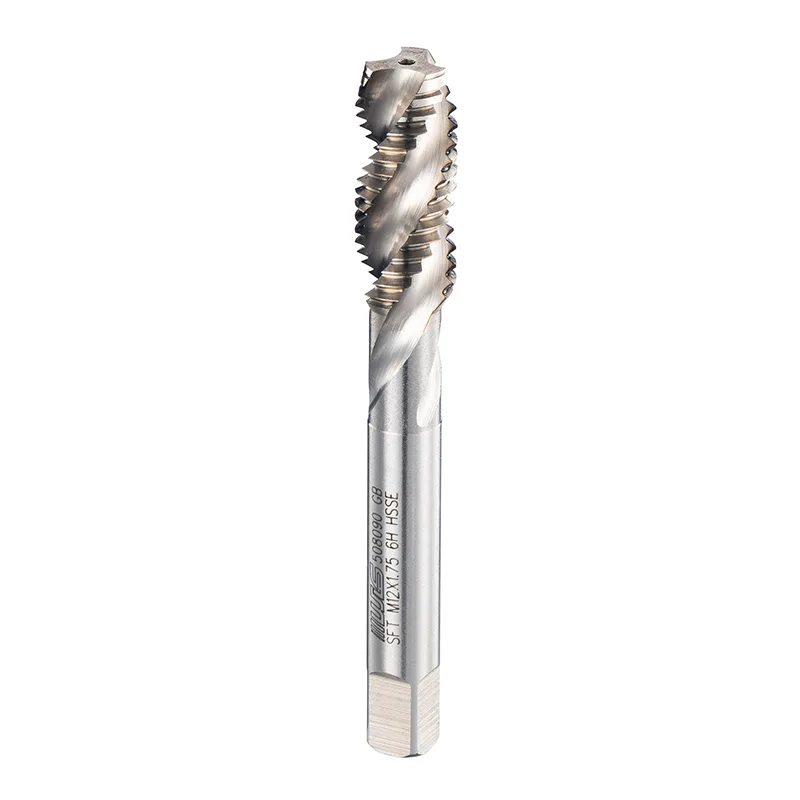
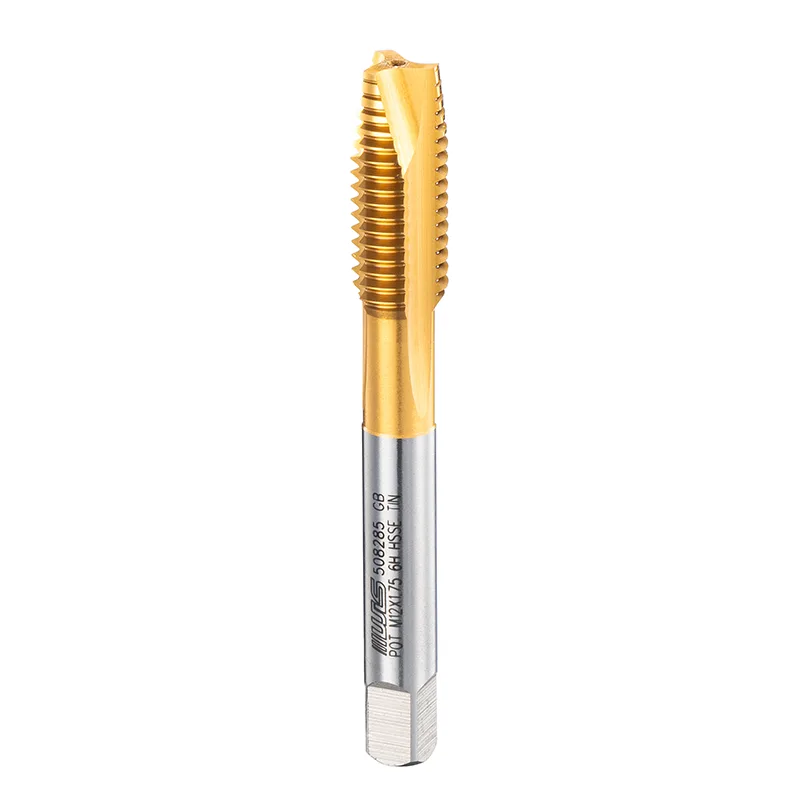
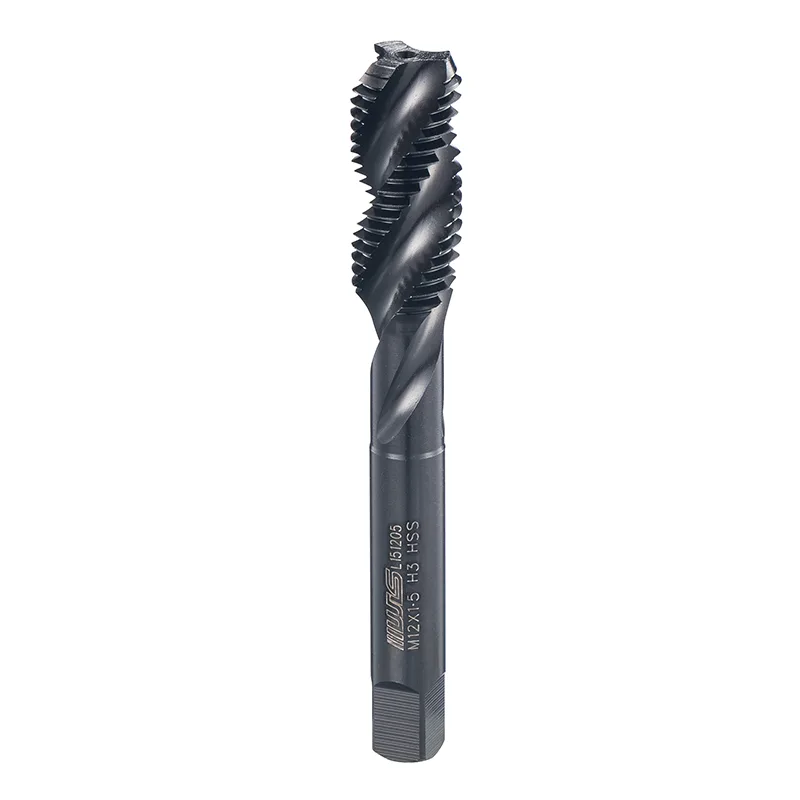
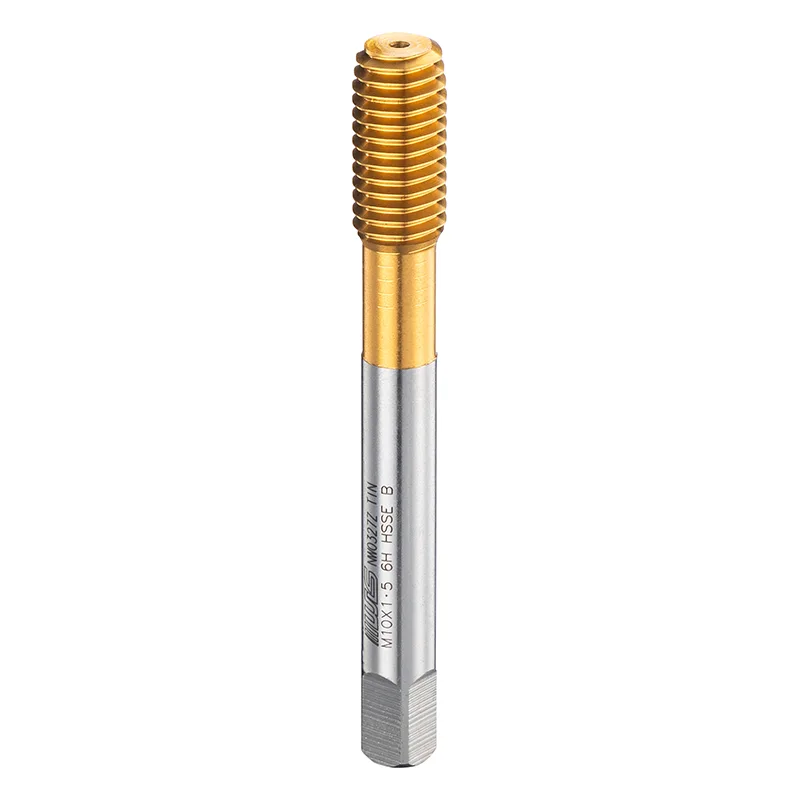
DIN straight flute taps are high-precision threading tools that comply with the Deutsches Institut für Normung (DIN) standards. These taps are widely used in industries requiring precise internal threads, such as automotive, aerospace, electronics, and heavy machinery. Unlike spiral taps, straight flute taps efficiently cut threads in through-holes and blind holes of solid metals and plastics.
Why precision matters
- Accurate threading reduces assembly errors.
- Consistent thread dimensions improve component reliability.
- High-quality taps lower material wastage and downtime.
2. Design and Specifications
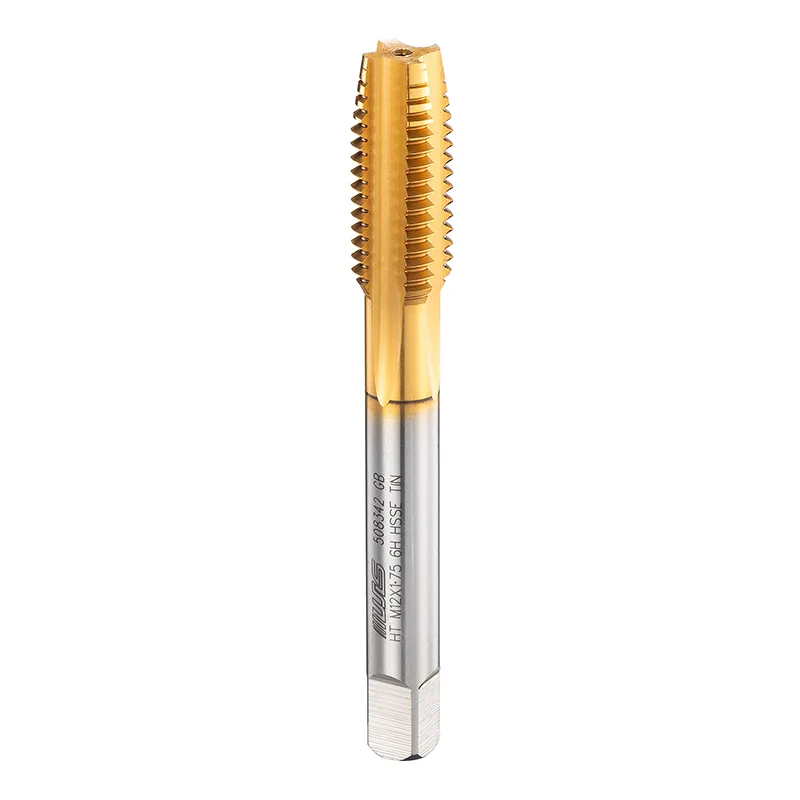
The design of DIN straight flute taps is critical to their performance. They feature straight flutes, a tapered lead section, and standard thread profiles, ensuring smooth threading and chip evacuation. Material composition and coatings enhance durability and cutting efficiency.
| Feature | Description | Benefit |
|---|---|---|
| Flute Type | Straight | Efficient chip removal in through-holes |
| Material | High-speed steel (HSS) or coated HSS | High durability and wear resistance |
| Tapered Lead | 3-5 threads chamfer | Smoother thread start and reduced cross-threading |
| Thread Standard | DIN ISO Metric | Interchangeable with standard fasteners |
3. Types of DIN Straight Flute Taps
DIN straight flute taps come in various types designed for specific operations:
- Hand Taps: Ideal for manual threading and small-scale operations.
- Machine Taps: Optimized for use with tapping machines and CNC equipment.
- Bottoming Taps: Designed for threading to the bottom of blind holes.
- Intermediate Taps: Provide a balance between roughing and finishing threads.
- Plug Taps: Standard choice for general-purpose threading.
4. Applications Across Industries
DIN straight flute taps are versatile tools used across multiple industries:
- Automotive: Engine blocks, cylinder heads, and chassis components.
- Aerospace: Aluminum and titanium parts requiring precision threads.
- Electronics: PCB enclosures, connector housings, and precision fasteners.
- Heavy Machinery: Steel components and industrial equipment assembly.
- Medical Equipment: Stainless steel surgical tools and implants.
Companies like Taizhou Hongyi Precision Tools Co.,Ltd. specialize in producing DIN straight flute taps that meet the stringent requirements of these industries.
5. Advantages and Customer Benefits
Using DIN straight flute taps provides measurable benefits:
- High precision and dimensional consistency.
- Longer tool life due to superior materials and coatings.
- Reduced risk of cross-threading and damage to components.
- Compatibility with standard fasteners, ensuring interchangeability.
- Improved production efficiency and reduced downtime.
6. How to Select the Right Tap
Choosing the correct DIN straight flute tap involves understanding the material, hole type, and thread requirements.
Considerations include:
- Material hardness and type (steel, aluminum, plastic, etc.)
- Thread size and pitch based on DIN standards
- Through-hole vs blind-hole applications
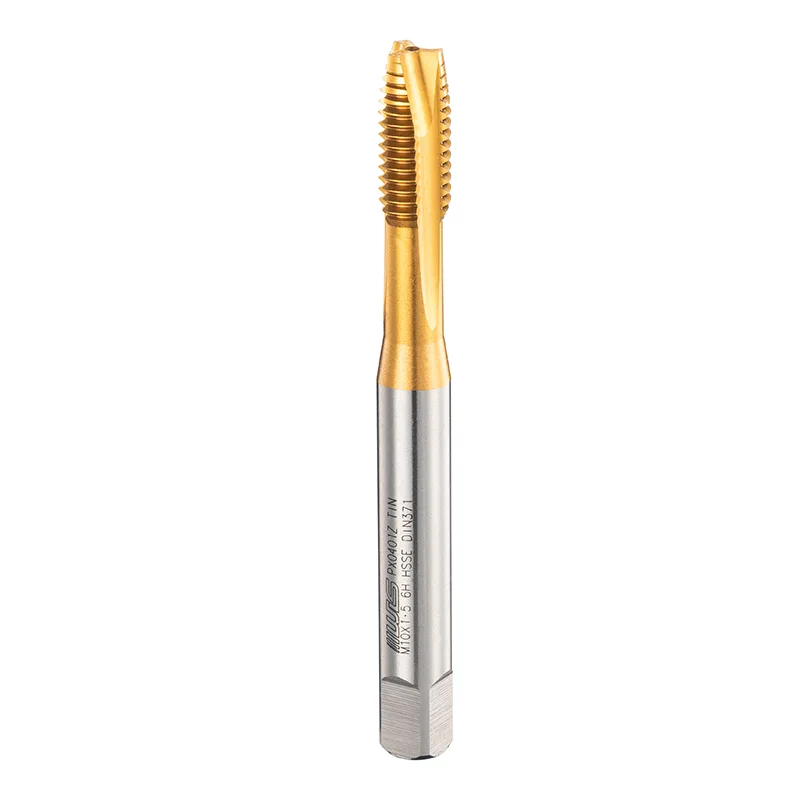
- Coating preferences for wear resistance (TiN, TiCN, black oxide)
- Machine compatibility and feed rates
Tip: Consult suppliers like Taizhou Hongyi Precision Tools Co.,Ltd. for customized solutions that match your machining setup.
7. Maintenance and Longevity Tips
Proper maintenance ensures the long life and performance of DIN straight flute taps:
- Clean taps after each use to remove metal chips.
- Use cutting fluids to reduce friction and heat.
- Inspect for wear or chipping before critical operations.
- Store taps in protective cases to prevent damage.
- Sharpen taps professionally when dull to restore cutting efficiency.
8. Frequently Asked Questions
Q1: Can DIN straight flute taps be used on hard metals?
A1: Yes, high-speed steel (HSS) and coated versions are suitable for steel, stainless steel, and other hard metals.
A1: Yes, high-speed steel (HSS) and coated versions are suitable for steel, stainless steel, and other hard metals.
Q2: What is the difference between hand taps and machine taps?
A2: Hand taps are designed for manual threading with slower feed, while machine taps are optimized for high-speed operations in CNC or tapping machines.
A2: Hand taps are designed for manual threading with slower feed, while machine taps are optimized for high-speed operations in CNC or tapping machines.
Q3: How do I prevent tap breakage in blind holes?
A3: Use bottoming taps with proper lubrication, controlled feed rates, and avoid excessive torque.
A3: Use bottoming taps with proper lubrication, controlled feed rates, and avoid excessive torque.
Q4: Are DIN straight flute taps compatible with metric fasteners?
A4: Yes, they conform to DIN ISO metric standards, ensuring full compatibility with standard metric fasteners.
A4: Yes, they conform to DIN ISO metric standards, ensuring full compatibility with standard metric fasteners.
Looking for high-quality DIN straight flute taps? Taizhou Hongyi Precision Tools Co.,Ltd. offers premium taps for all industrial applications. Enhance your threading precision and efficiency today – contact us!
Related News
- How Did One Machine Shop Reduce Threading Rejects by 60%—After Switching to DIN Straight Flute Taps for Their Blind Hole Operations?
- Why Are DIN Extended Spiral Point Taps Essential for High-Performance Threading?
- Why Are ISO Spiral Flute Taps With Coating Essential for High-Precision Threading?
- How Can ISO Extended Spiral Flute Taps Improve Precision Machining Performance?
- Why Are ISO Spiral Point Taps With No Coating Still a Preferred Choice for Precision Threading?
- Why JIS Spiral Flute Taps With Coating Deliver Superior Threading Performance in Modern Machining Applications?
Leave me a message