
Industry News
 22 2026-10
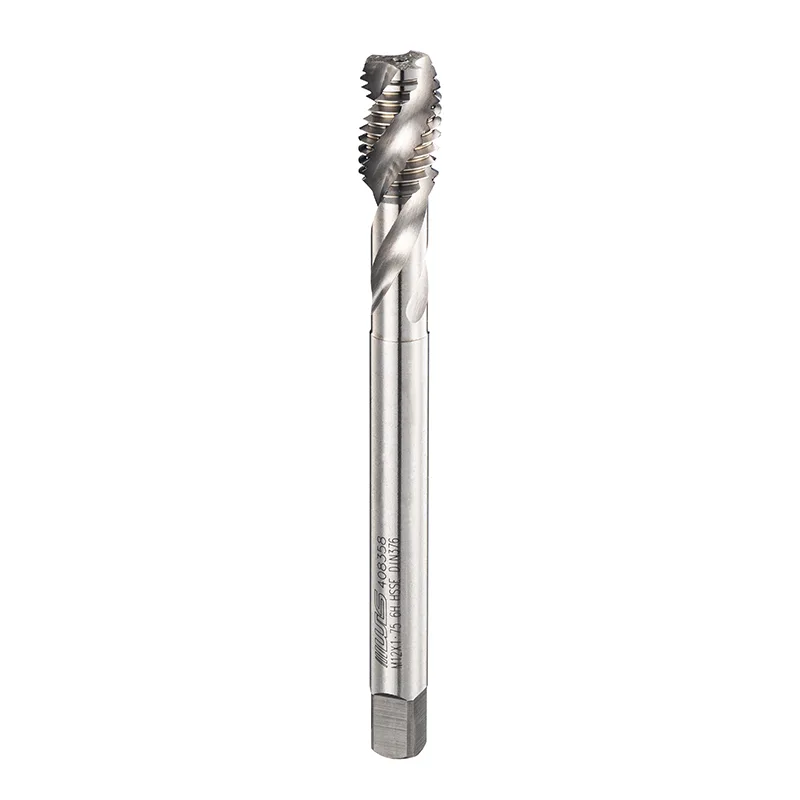
How DIN Spiral Flute Taps With No Coating Reduce Tooling Costs in Manufacturing
Tooling costs extend beyond the price of a cutting tool. Frequent replacements, broken taps, rejected components, and machine downtime all increase the cost of producing threaded parts. As CNC workshops look for more efficient production methods, DIN Spiral Flute Taps With No Coating offer a useful perspective on how tool selection affects manufacturing expenses.
DIN Spiral Flute Taps With No Coating and the Shift Toward Flexible Machining
DIN Spiral Flute Taps With No Coating are part of the shift toward flexible CNC machining, where tool selection must adapt to different materials, hole geometries, and thread specifications. This article examines how flute design, chip evacuation, cutting conditions, and process standardization influence threading quality and production efficiency.
 23 2026-09
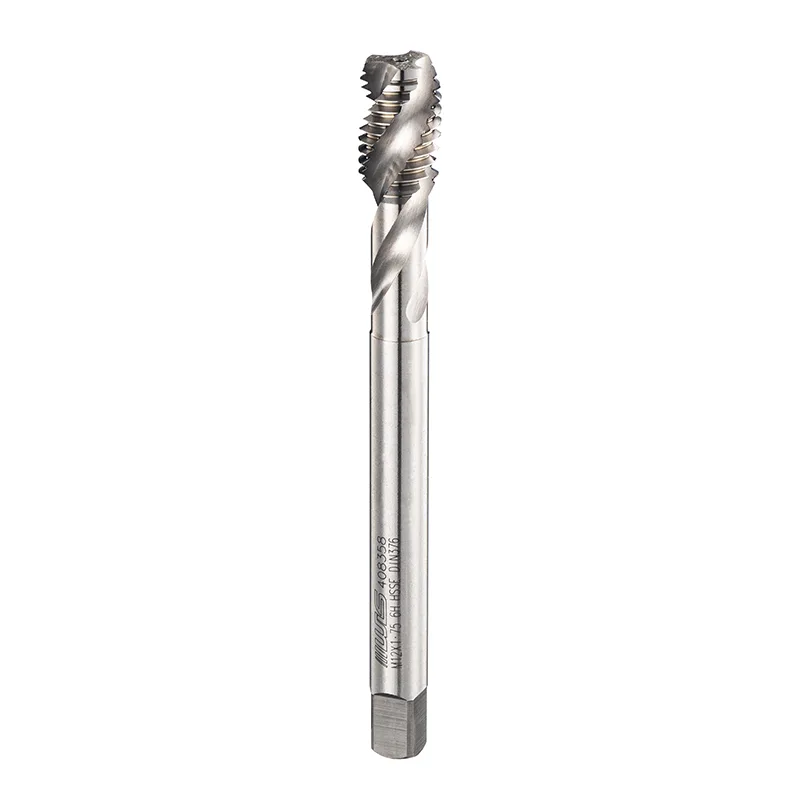
Why DIN Spiral Flute Taps With No Coating Gain Attention in CNC Machining
As CNC machining continues to focus on precision, stability, and efficient production, DIN Spiral Flute Taps With No Coating are gaining attention for their practical approach to blind-hole threading. This article explores how flute design, chip evacuation, material selection, and process control influence modern tapping operations.
 15 2026-09
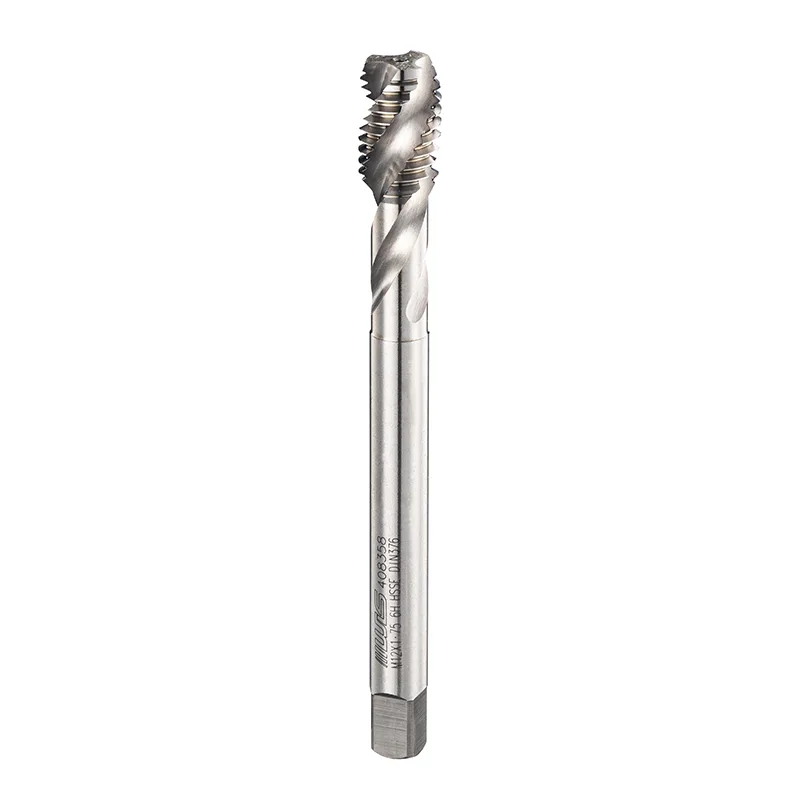
What Makes DIN Spiral Flute Taps With No Coating a Practical Choice for Precision Threading?
DIN Spiral Flute Taps With No Coating are designed for controlled internal threading where chip evacuation, dimensional consistency, and reliable machining are important. Their helical flute geometry is particularly useful for blind holes because chips can be guided upward and away from the cutting area. An uncoated surface can also be a practical solution when the workpiece material, cutting conditions, and production volume do not require a specialized coating. This guide explains how these taps work, where they perform best, how to select the correct specification, and how to avoid common problems such as tap breakage, poor thread quality, excessive torque, and incorrect hole preparation.
 07 2026-09
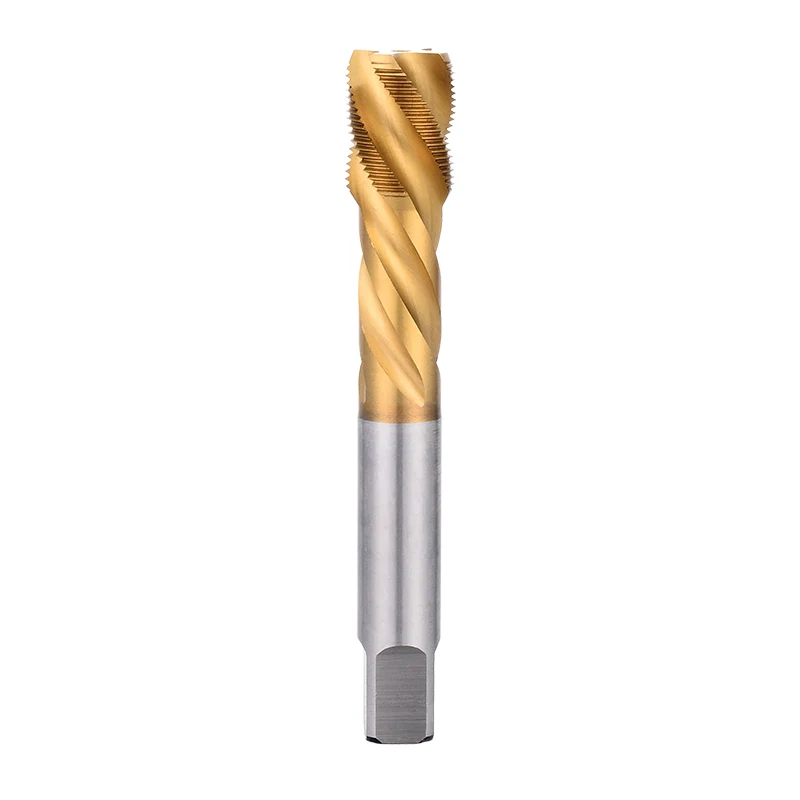
How Did One Machine Shop Reduce Threading Rejects by 60%—After Switching to DIN Straight Flute Taps for Their Blind Hole Operations?
A threading problem rarely starts with the thread itself. Wilson’s DIN Straight Flute Taps highlight how tap geometry, hole depth, chip control, and process consistency can determine whether a blind-hole operation stays within tolerance or turns into a source of repeated rejects.
 14 2026-08
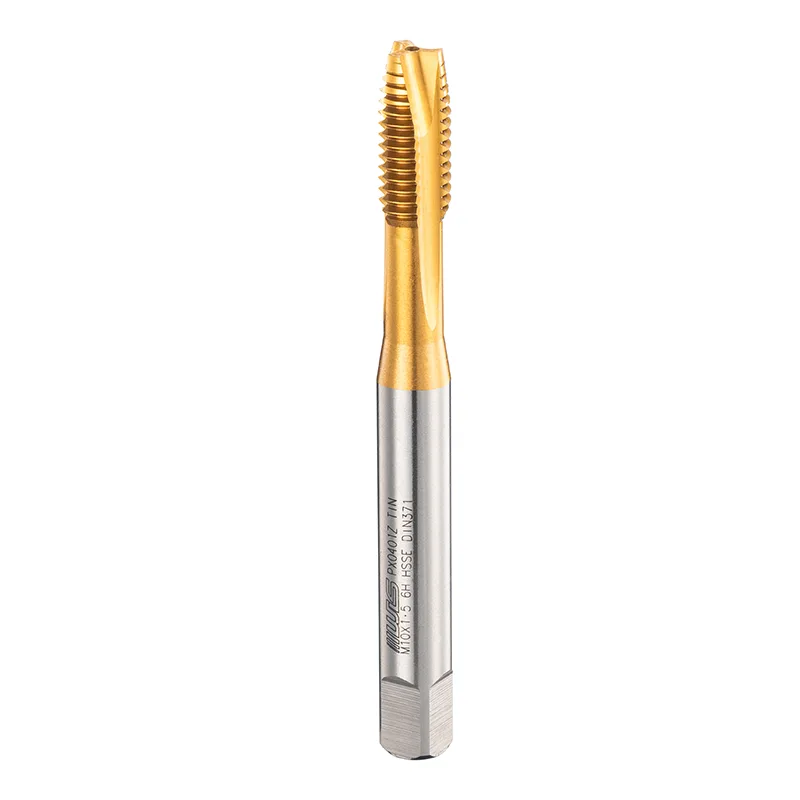
Why Are DIN Extended Spiral Point Taps Essential for High-Performance Threading?
DIN Extended Spiral Point Taps are widely recognized as an efficient threading solution for deep-hole machining, high-volume production, and demanding industrial applications. With their extended flute design, optimized spiral point geometry, and reliable chip evacuation performance, these taps help manufacturers improve machining efficiency, reduce tool failure risks, and achieve consistent thread quality.