News

What Makes ISO Rolling Taps Essential for High-Precision Threading Performance?

2026-04-13 0 Leave me a message

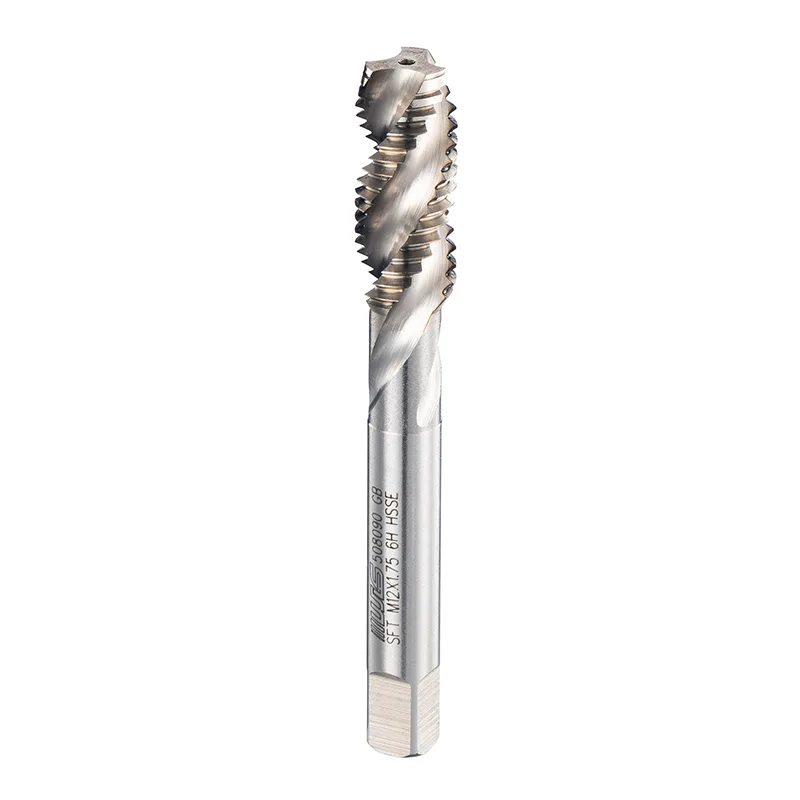
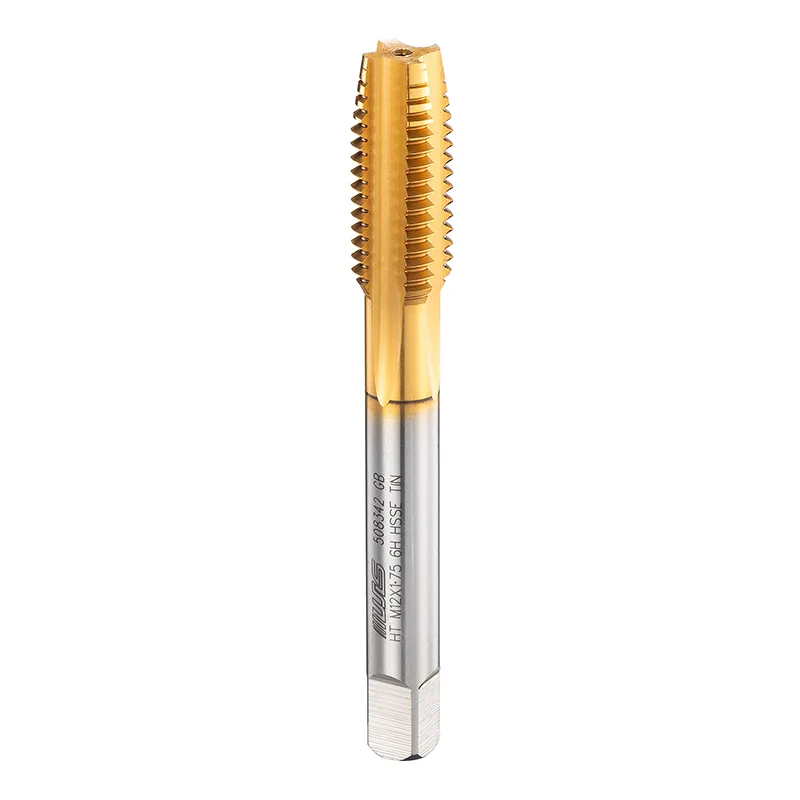
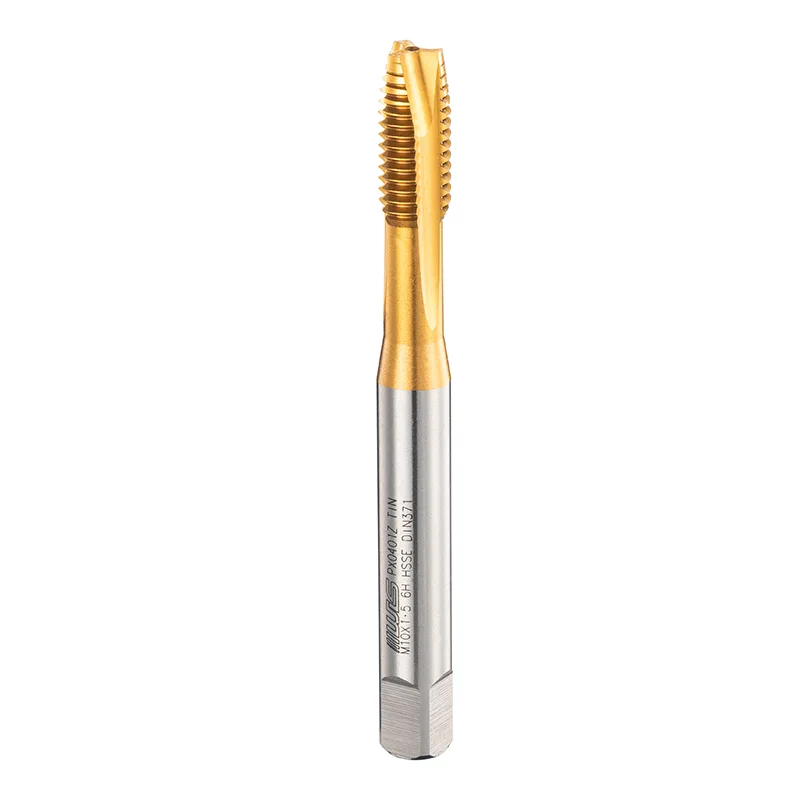
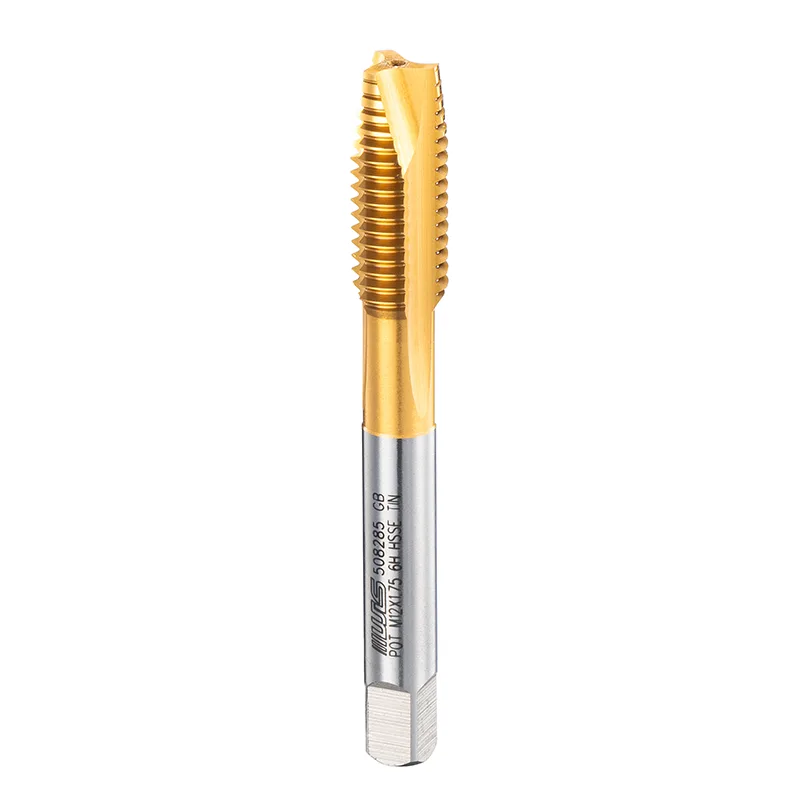
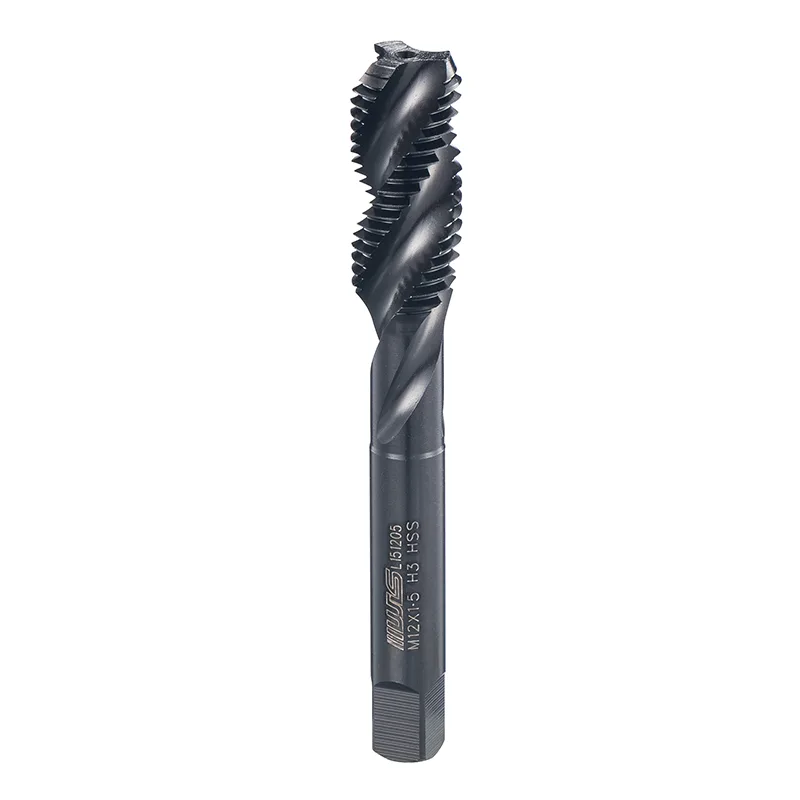
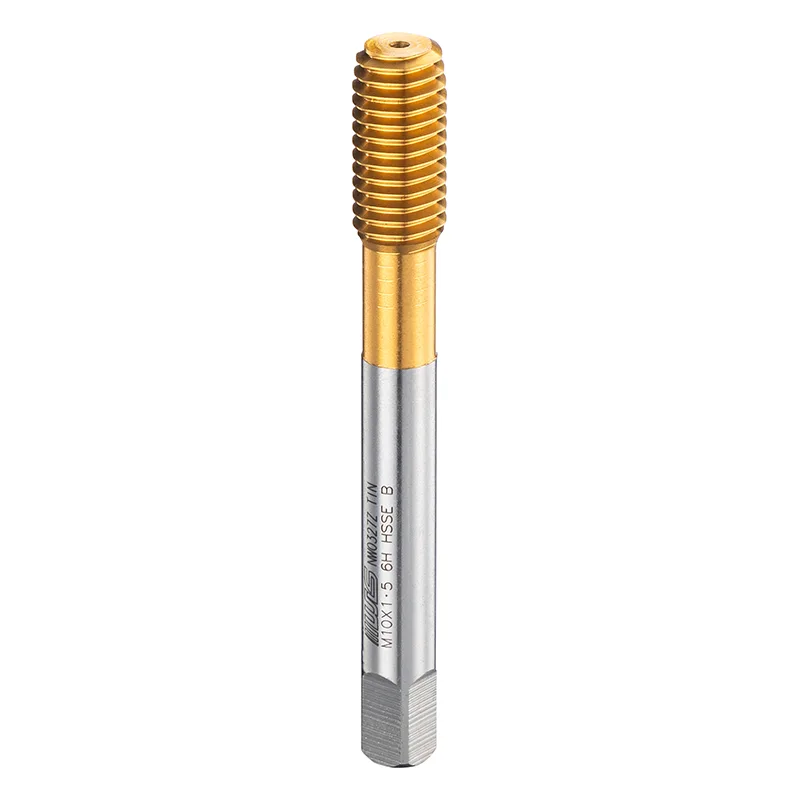
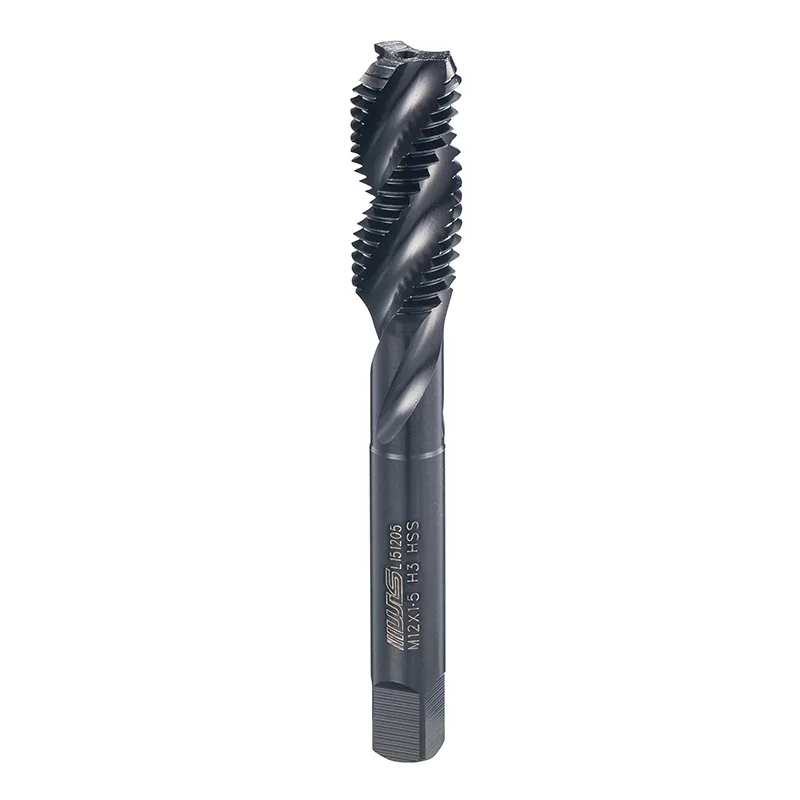
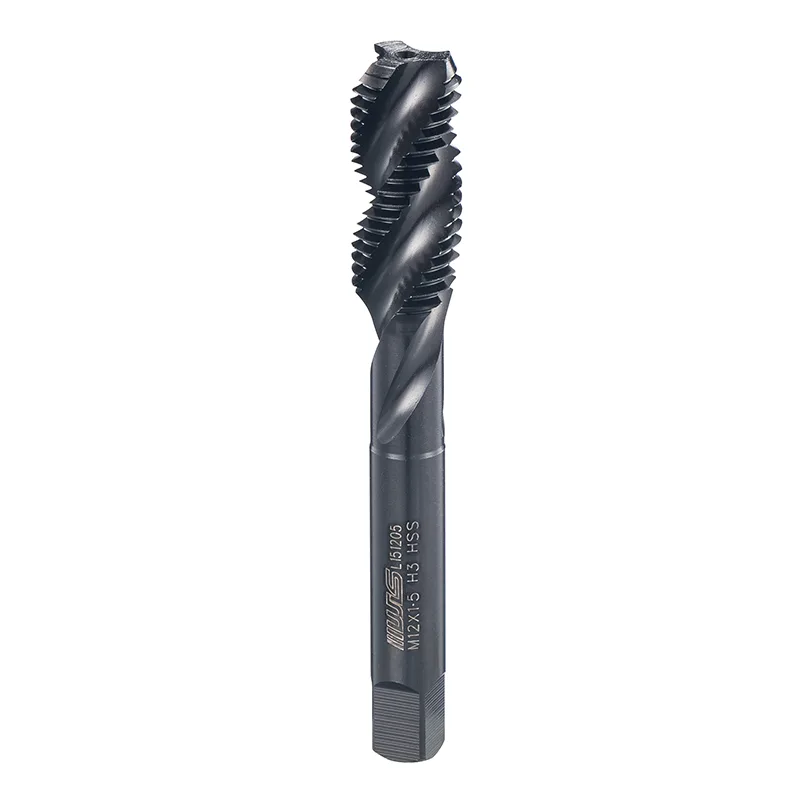
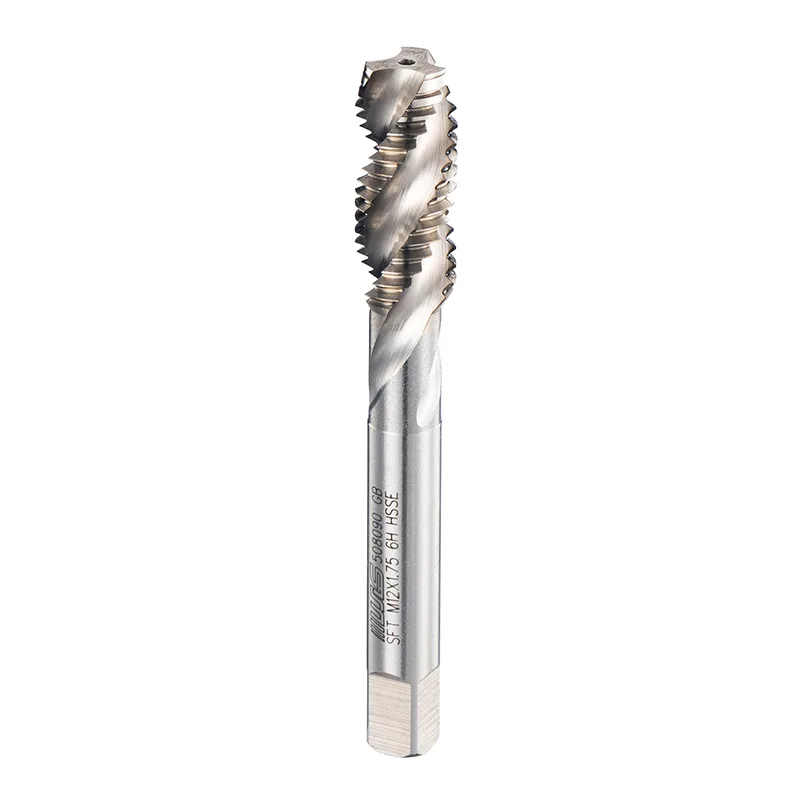
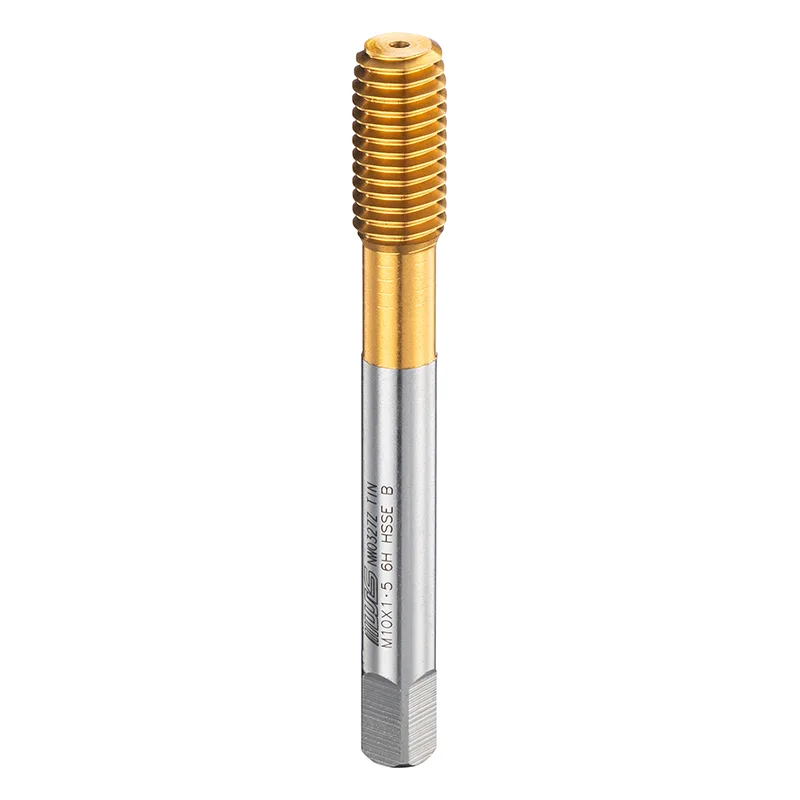
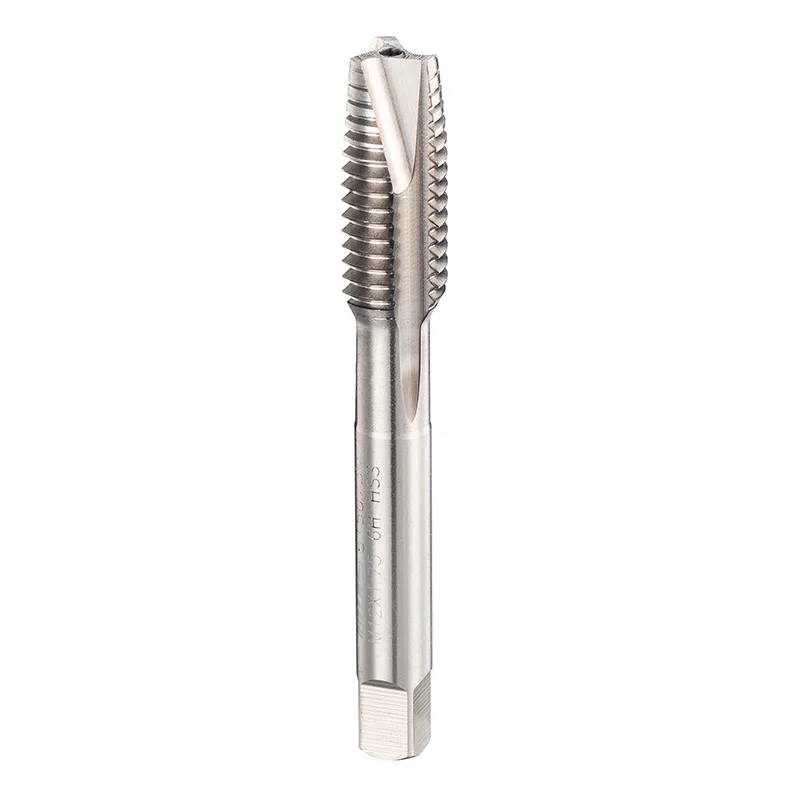
ISO Rolling Taps are advanced thread-forming tools widely used in modern manufacturing to create high-strength internal threads without cutting material chips. Unlike traditional cutting taps, rolling taps displace material, improving thread strength, surface finish, and production efficiency. This article provides a complete guide to ISO Rolling Taps, including their working principle, advantages, applications, selection criteria, troubleshooting methods, and industrial best practices. It is designed to help engineers, machinists, procurement managers, and manufacturers understand how to optimize threading processes and reduce production costs while improving product quality.

ISO Rolling Taps


Table of Contents


1. Introduction to ISO Rolling Taps

ISO Rolling Taps are specialized threading tools designed according to international ISO standards for forming internal threads through plastic deformation rather than cutting. This means the tap pushes material aside instead of removing it, resulting in stronger and more durable threads.

In industries such as automotive, aerospace, electronics, and heavy machinery, precision and reliability are essential. ISO Rolling Taps have become a preferred solution because they enhance structural integrity and reduce manufacturing waste.

Manufacturers like Taizhou Hongyi Precision Tools Co.,Ltd. continuously develop high-performance ISO Rolling Taps to meet global industrial demands, ensuring consistent accuracy and long tool life.


2. How ISO Rolling Taps Work

Unlike traditional cutting taps, rolling taps operate through material deformation. The tool applies radial pressure to the workpiece, causing the metal to flow plastically and form threads.

Basic Working Principle:

  • The tap enters a pre-drilled hole with a slightly larger diameter than cutting taps require.
  • Instead of cutting chips, the tap compresses and displaces material.
  • The material flows into the thread profile of the tap.
  • Completed threads are formed with a smooth, hardened surface.

This chipless process eliminates chip evacuation problems and improves production speed significantly, especially in automated CNC systems.


3. Key Benefits of Thread Rolling Technology

ISO Rolling Taps offer numerous advantages that make them highly desirable in precision engineering environments.

3.1 Enhanced Thread Strength

Because material fibers are not cut but compressed, the grain structure becomes continuous along the thread profile, increasing mechanical strength by up to 30%.

3.2 Improved Surface Finish

The resulting threads are smoother and more uniform, reducing friction and improving fastener performance.

3.3 Longer Tool Life

ISO Rolling Taps experience less wear due to the absence of cutting edges breaking chips, extending operational lifespan significantly.

3.4 Faster Production Cycles

Higher tapping speeds and elimination of chip removal lead to shorter cycle times and improved productivity.

3.5 Eco-Friendly Manufacturing

Chipless threading reduces waste, making it a more sustainable manufacturing method.


4. Rolling Taps vs Cutting Taps

Feature ISO Rolling Taps Cutting Taps
Thread Formation Material deformation Material removal
Chip Generation None Yes
Thread Strength Higher Moderate
Surface Finish Smoother Rougher
Tool Life Longer Shorter
Speed Faster Slower

The comparison clearly shows why ISO Rolling Taps are increasingly replacing traditional cutting taps in precision manufacturing environments.


5. Industrial Applications

ISO Rolling Taps are widely used across multiple industries due to their reliability and efficiency.

  • Automotive Industry: Engine blocks, transmission systems, and chassis components
  • Aerospace Industry: Lightweight structural parts requiring high strength
  • Electronics: Precision housings and connectors
  • Medical Equipment: Surgical tools and implant devices
  • General Machinery: Industrial equipment and mechanical assemblies

Companies like Taizhou Hongyi Precision Tools Co.,Ltd. supply ISO Rolling Taps tailored for these demanding applications, ensuring reliability in critical operations.


6. How to Select the Right ISO Rolling Tap

Choosing the correct ISO Rolling Tap is essential for achieving optimal threading performance.

6.1 Material Compatibility

Rolling taps work best with ductile materials such as aluminum, copper, brass, and low-carbon steel.

6.2 Thread Size and Pitch

Ensure compatibility with ISO standard thread dimensions to maintain precision and fit.

6.3 Coating Type

  • TiN coating – improves wear resistance
  • TiCN coating – enhances hardness
  • Uncoated – suitable for softer materials

6.4 Machine Compatibility

CNC machines, tapping centers, and automated production lines require optimized speed and torque settings.

Taizhou Hongyi Precision Tools Co.,Ltd. provides professional guidance in selecting the most suitable ISO Rolling Tap for different industrial needs.


7. Maintenance and Operational Best Practices

Proper maintenance ensures consistent performance and extends tool lifespan.

  • Use appropriate lubrication to reduce friction
  • Maintain correct spindle speed
  • Avoid excessive feed pressure
  • Inspect tools regularly for wear
  • Store in dry, protective environments

Following these practices helps manufacturers maximize efficiency while minimizing downtime.

8. Common Problems and Solutions

Problem Cause Solution
Thread deformation Incorrect pre-hole size Adjust drilling diameter
Tool wear Insufficient lubrication Use proper cutting fluid
Surface cracks Excessive pressure Reduce feed rate
Dimensional error Machine misalignment Recalibrate CNC system

9. Future Trends in Thread Forming Technology

The future of ISO Rolling Taps is closely linked to automation, smart manufacturing, and advanced materials.

  • Integration with AI-based CNC systems
  • Advanced nano-coating technologies
  • Higher precision micro-threading applications
  • Increased use in lightweight aerospace materials

Manufacturers such as Taizhou Hongyi Precision Tools Co.,Ltd. continue to innovate, ensuring that ISO Rolling Taps meet the evolving demands of global industries.


10. FAQ

Q1: What materials are best for ISO Rolling Taps?
A: Ductile metals like aluminum, copper, brass, and mild steel are ideal.

Q2: Do ISO Rolling Taps require special machines?
A: They can be used in standard CNC machines with proper speed and torque settings.

Q3: Why are rolling taps stronger than cutting taps?
A: Because they compress material fibers instead of cutting them, improving structural integrity.

Q4: Can ISO Rolling Taps be used in high-volume production?
A: Yes, they are ideal for mass production due to speed and durability advantages.

Q5: How to extend tool life?
A: Proper lubrication, correct speed settings, and regular maintenance are essential.


11. Contact Information

If you are looking for high-quality ISO Rolling Taps that ensure precision, durability, and efficiency in your manufacturing process, Taizhou Hongyi Precision Tools Co.,Ltd. is your trusted partner in advanced tooling solutions.

Our engineering team is ready to support your production needs with customized solutions, technical consultation, and premium-grade tapping tools designed for global industrial standards.

Contact us today to explore how our ISO Rolling Taps can enhance your production efficiency and product quality while reducing operational costs.

Related News
Leave me a message
X
We use cookies to offer you a better browsing experience, analyze site traffic and personalize content. By using this site, you agree to our use of cookies. Privacy Policy
Reject Accept