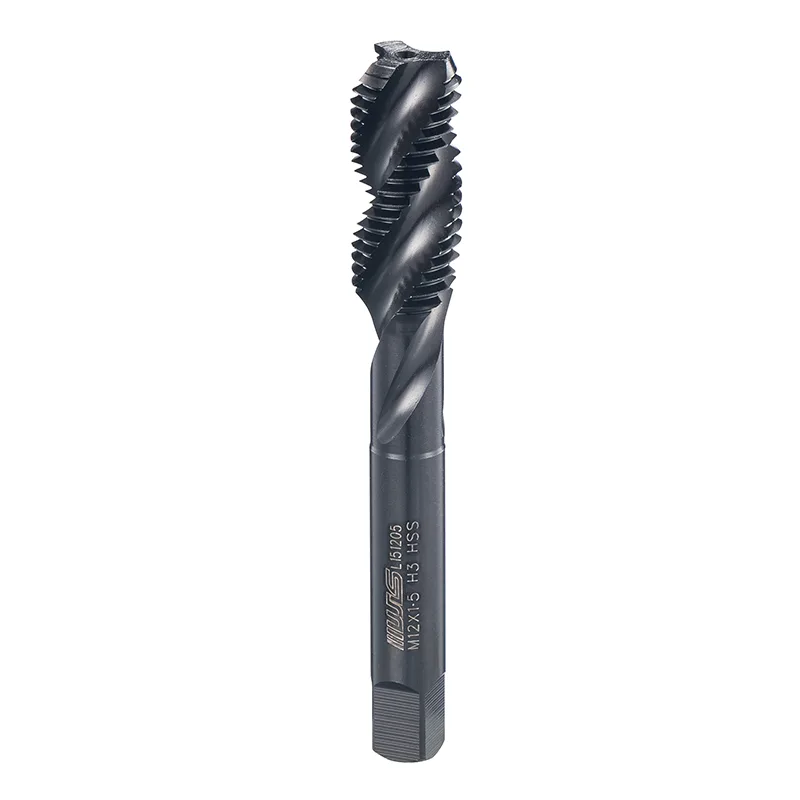
Durable DIN Form Taps for Brass and Copper
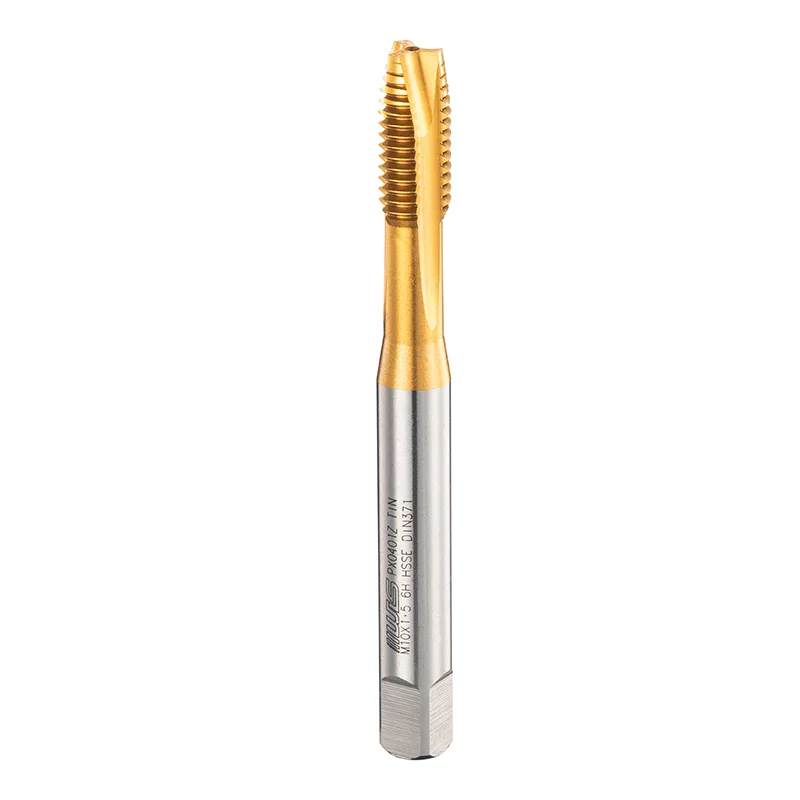
Wilson is DIN Rolling Taps manufacturer. DIN Rolling Taps strictly follow German DIN standards (such as DIN 371), and their design principles are completely different from those of traditional cutting taps. It is a chip-free forming tool, and its core lies in taking advantage of the plasticity of metal materials. During processing, the tap forces the material to undergo plastic flow and redistribution under high pressure, thereby directly forming threads. The most obvious difference is that the extrusion tap has no chip grooves, so no chips will be produced throughout the tapping process.
This unique working mode brings significant performance advantages. Because the material fibers are not cut and remain continuous, and a work-hardened layer is formed on the surface, the processed threads have higher strength. Meanwhile, the surface finish of the thread is good and the dimensional consistency is high. These features make it perform well in blind hole thread processing and automated production lines, and can achieve a longer tool life.Moreover, the factory offers both DIN Extended Rolling Taps and DIN Rolling Taps With Coating. Purchasers can choose the appropriate products based on their processing requirements.
One of the most crucial steps for the successful application of DIN Rolling Taps is the precise determination of the bottom hole diameter. This size is usually larger than the bottom hole when using a cutting tap, and it needs to be precisely calculated and selected based on the specific material and thread specification. It is precisely because of its outstanding performance in reliability, consistency and thread quality that this tool has become the preferred choice in high-end manufacturing, especially in fields such as automotive engines, aerospace and precision instruments where there are strict requirements for the strength of threaded connections.
- View as
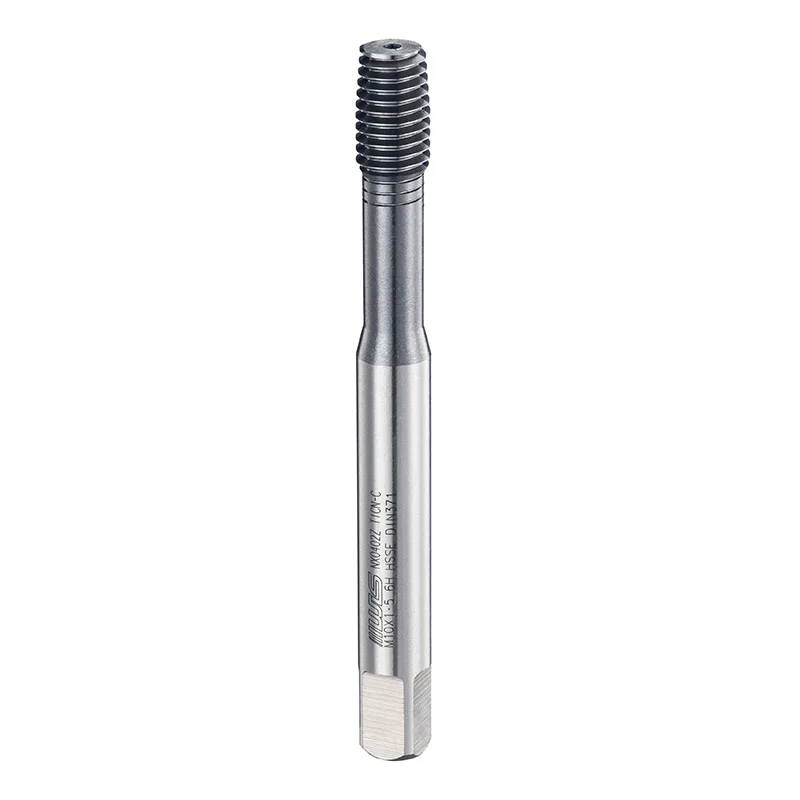
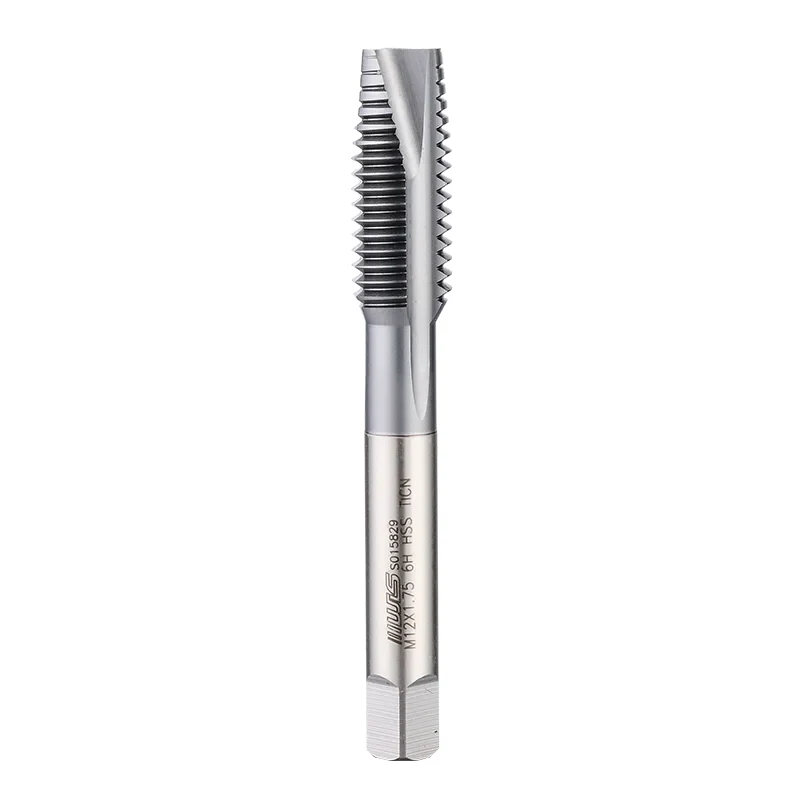
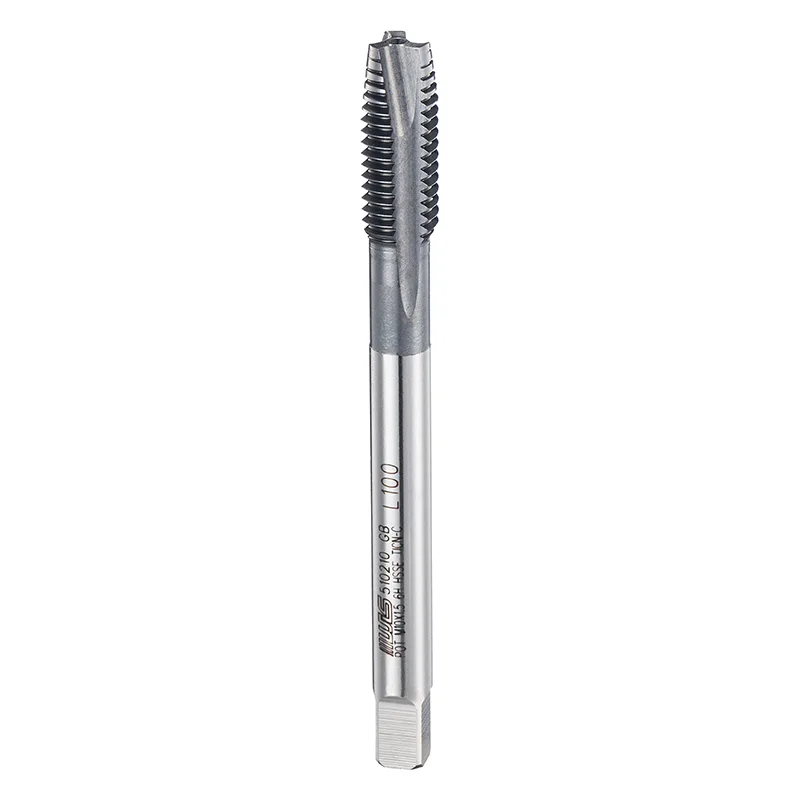
DIN Extended Rolling Taps
Wilson have DIN Extended Rolling Taps in stock. It feature an elongated handle/shaft design as its core feature, accurately adapting to the threading requirements of special positions such as deep holes in automotive engines and complex structural components in aerospace. It is made of high-performance high-speed steel or cobalt containing high-speed steel material, which balances toughness and hardness, ensuring that it is not easily broken during processing and the blade is wear-resistant.
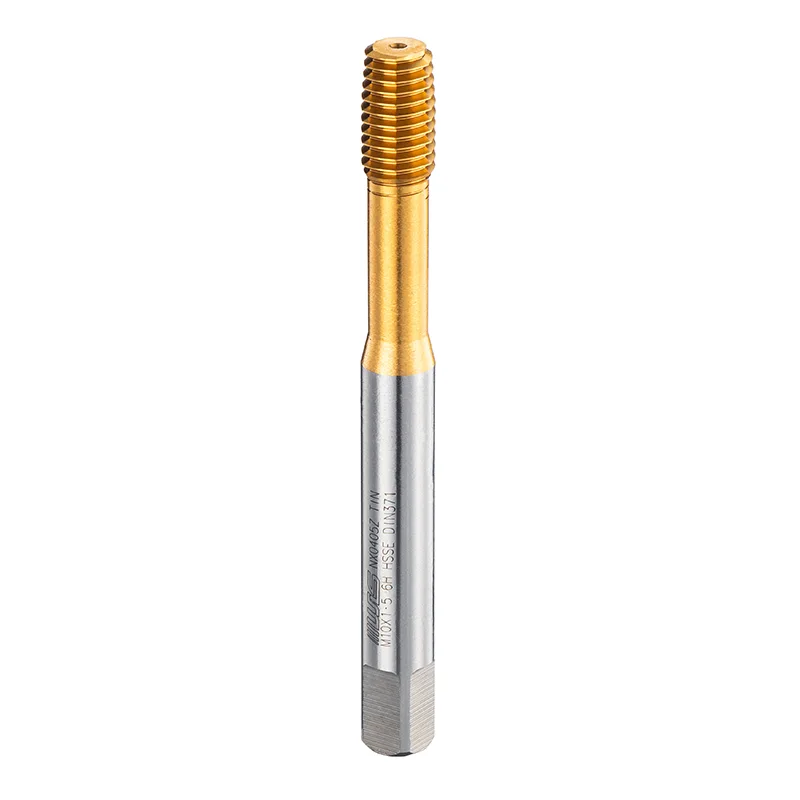
DIN Rolling Taps With No Coating
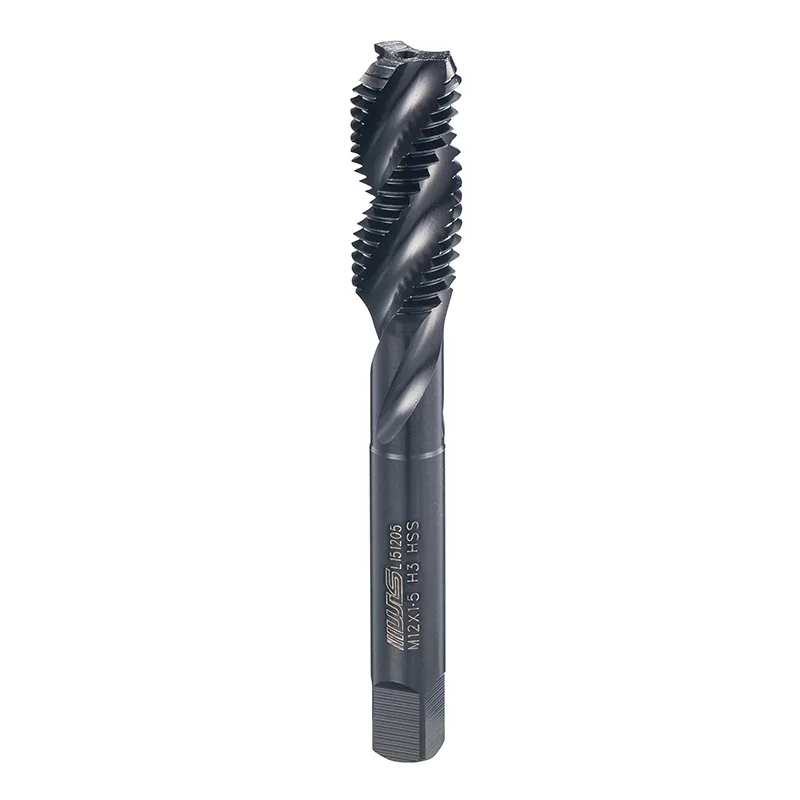
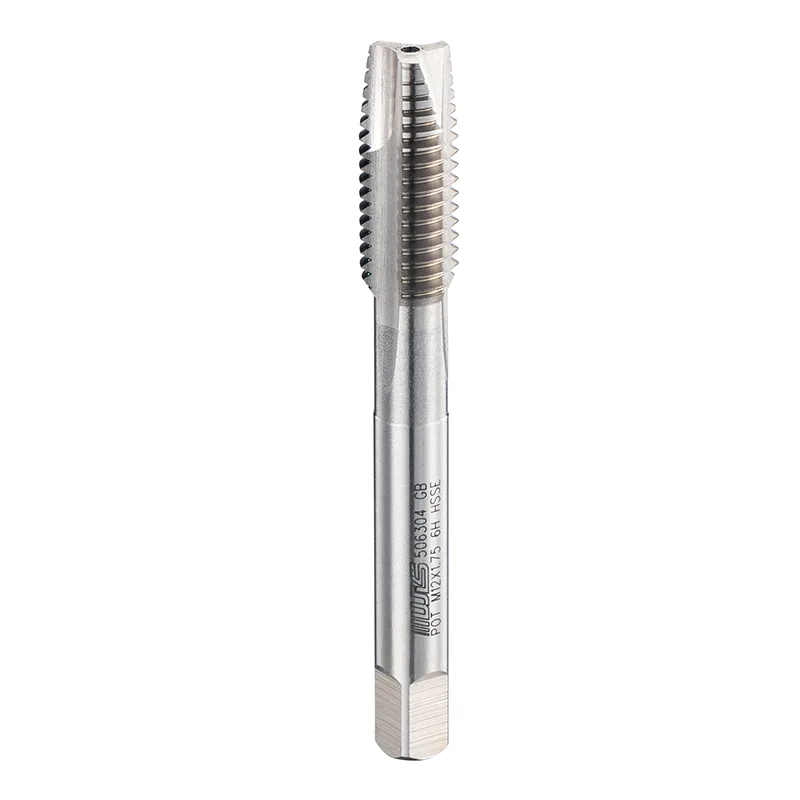
Wilson wholesale DIN Rolling Taps With No Coating often uses high-quality materials such as high carbon alloy steel and high-speed steel. High carbon alloy steel ensures wear resistance with its high carbon characteristics and is suitable for processing conventional materials such as medium and low carbon steel, reducing tool changing frequency; High speed steel combines red hardness and toughness, and is capable of high-precision thread machining.
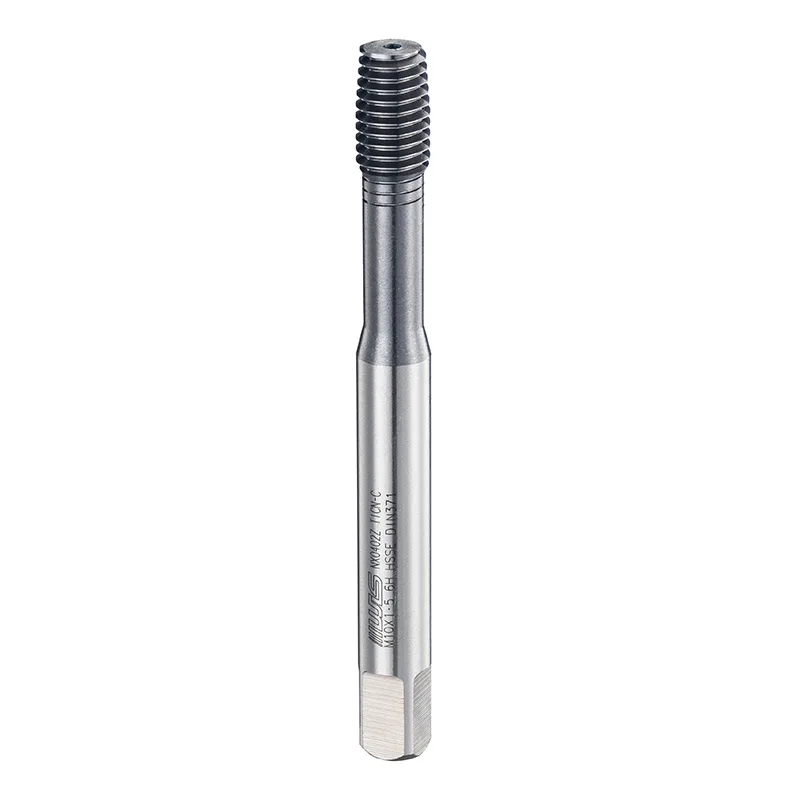
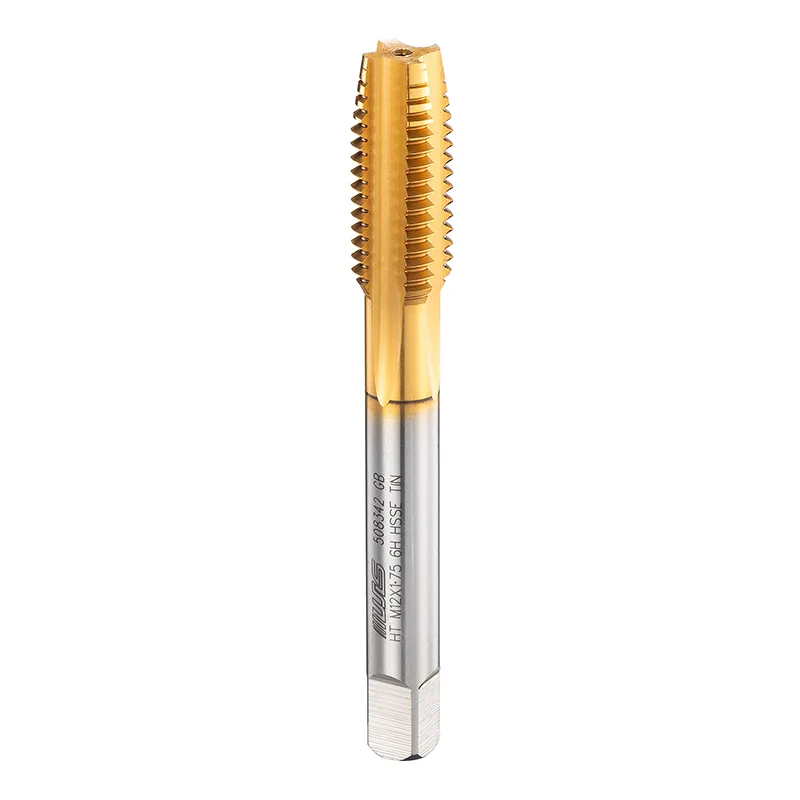
DIN Rolling Taps With Coating
WILSON DIN Rolling Taps With Coating with TiN/TiCN coatings offer high surface hardness, heat resistance, and wear resistance. Designed for steel, aluminum, and copper alloys, they support high-speed mass production. With 20 years of expertise and strict DIN standards, WILSON ensures stable performance and long tool life. Trusted by automotive and machining industries worldwide, the company delivers high-quality, standardized products from its China-based facilities.
WILSON is a professional DIN Rolling Taps manufacturer and supplier in China. We warmly welcome you to wholesale high quality products at competitive price from our factory.