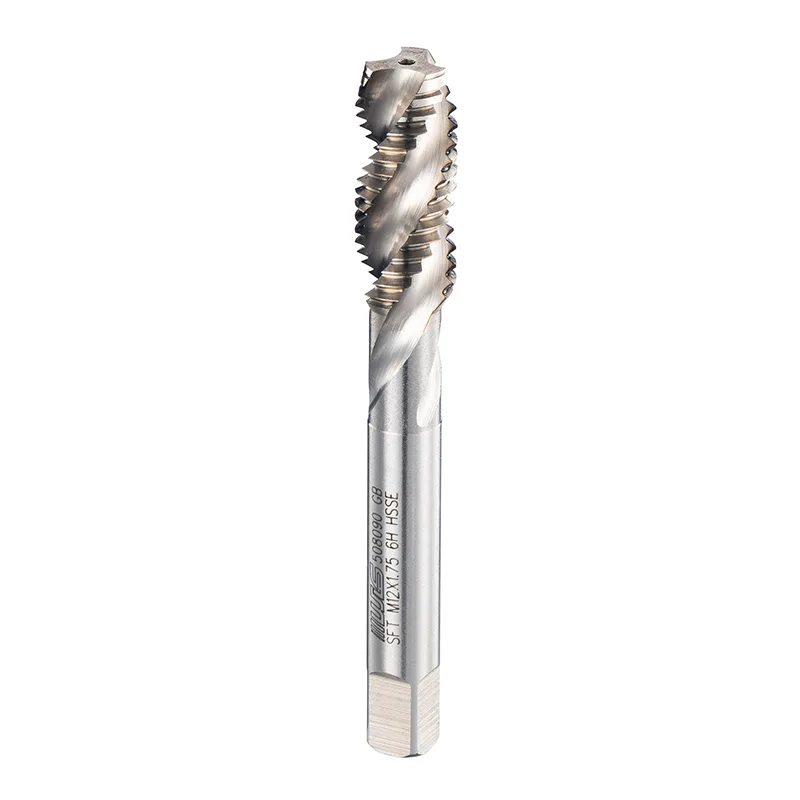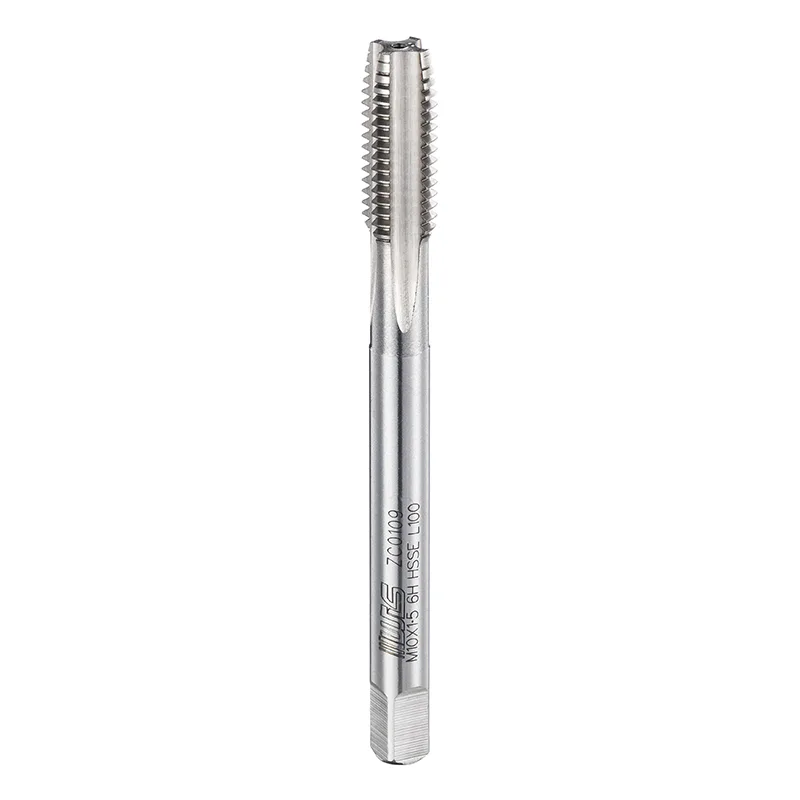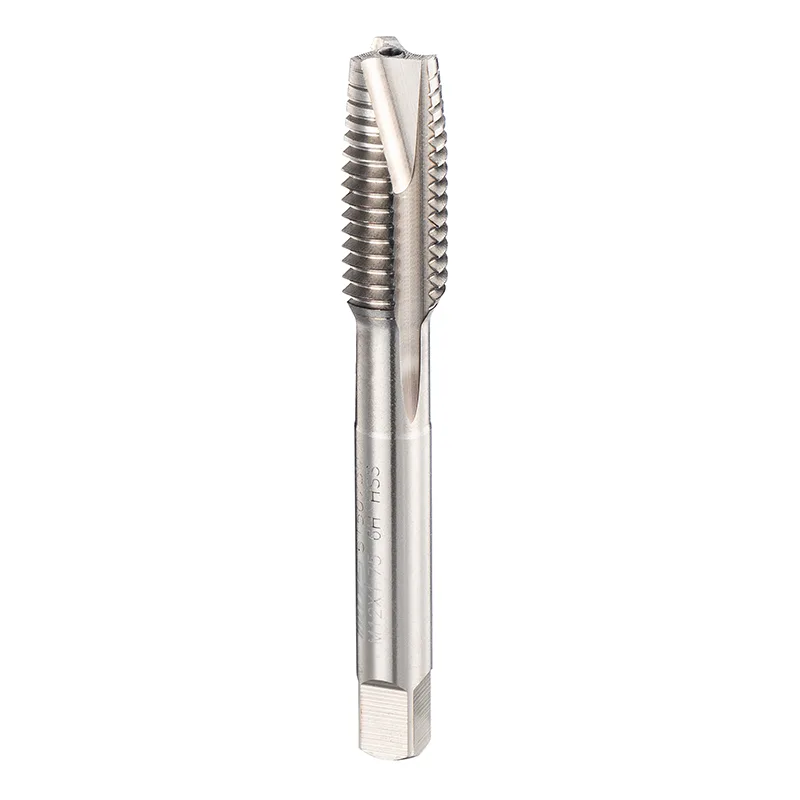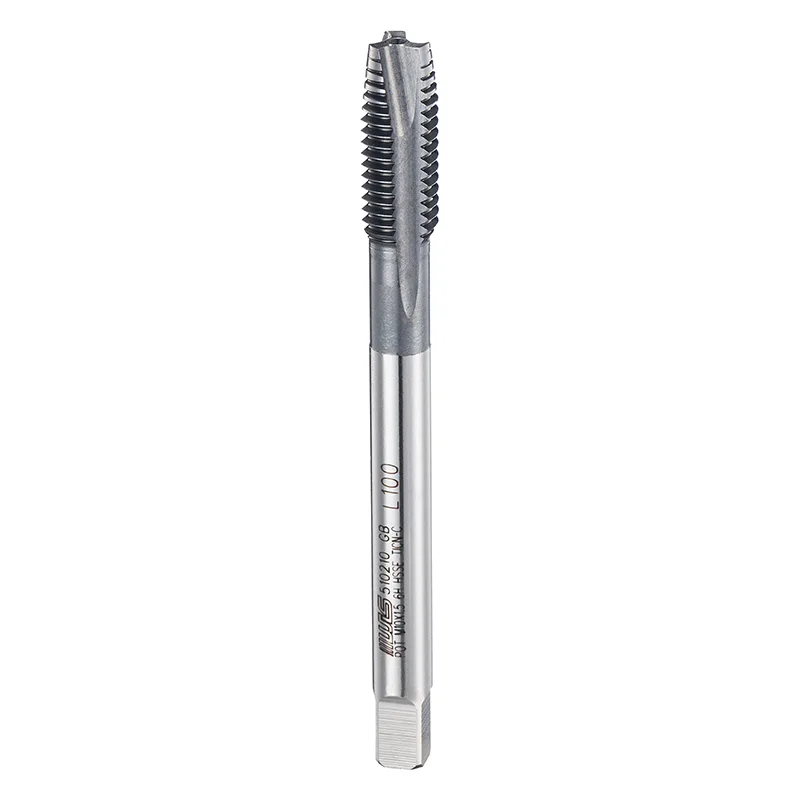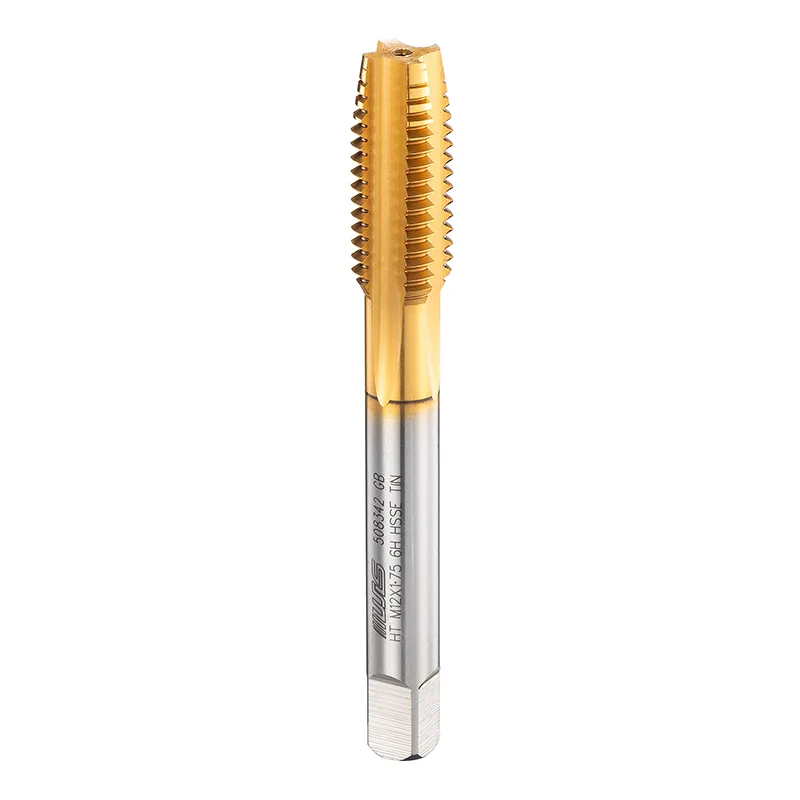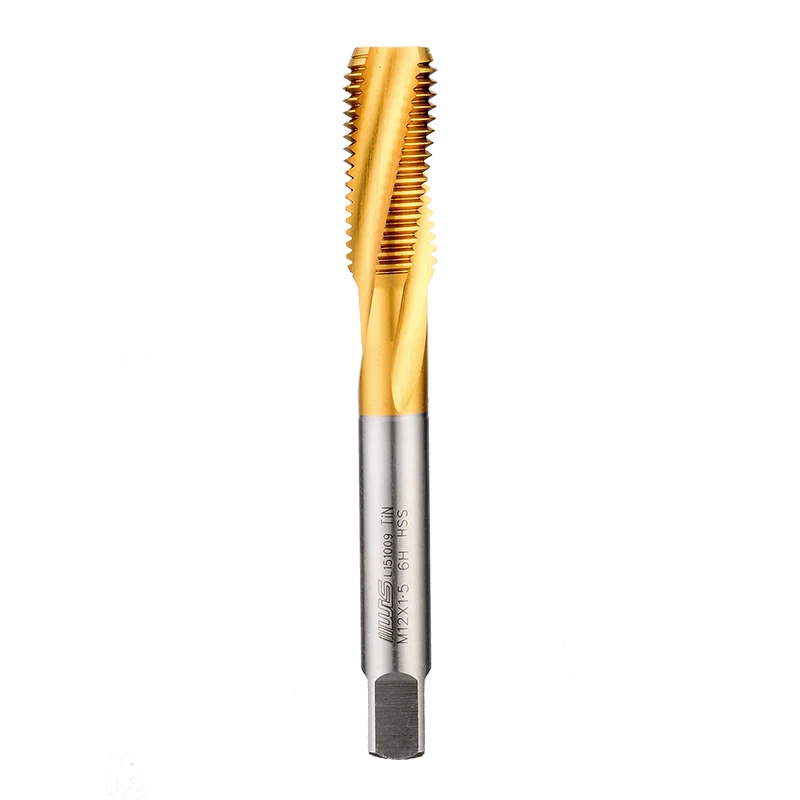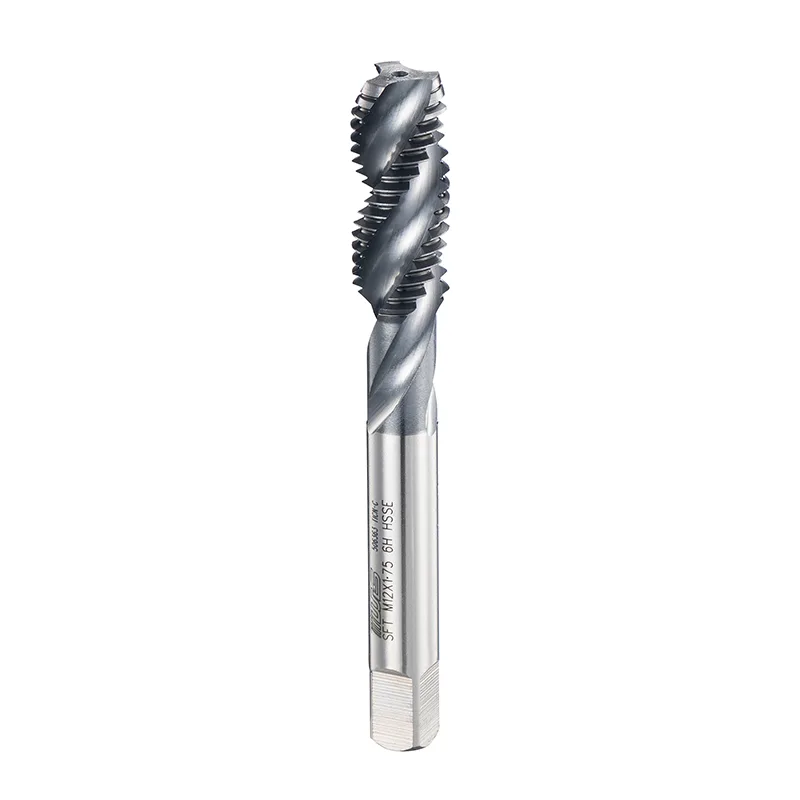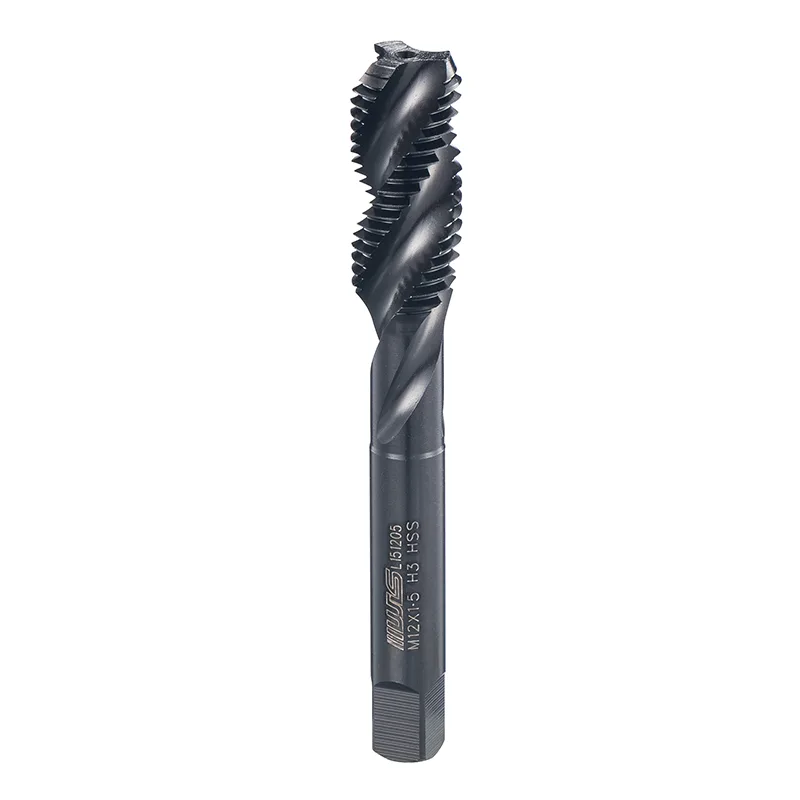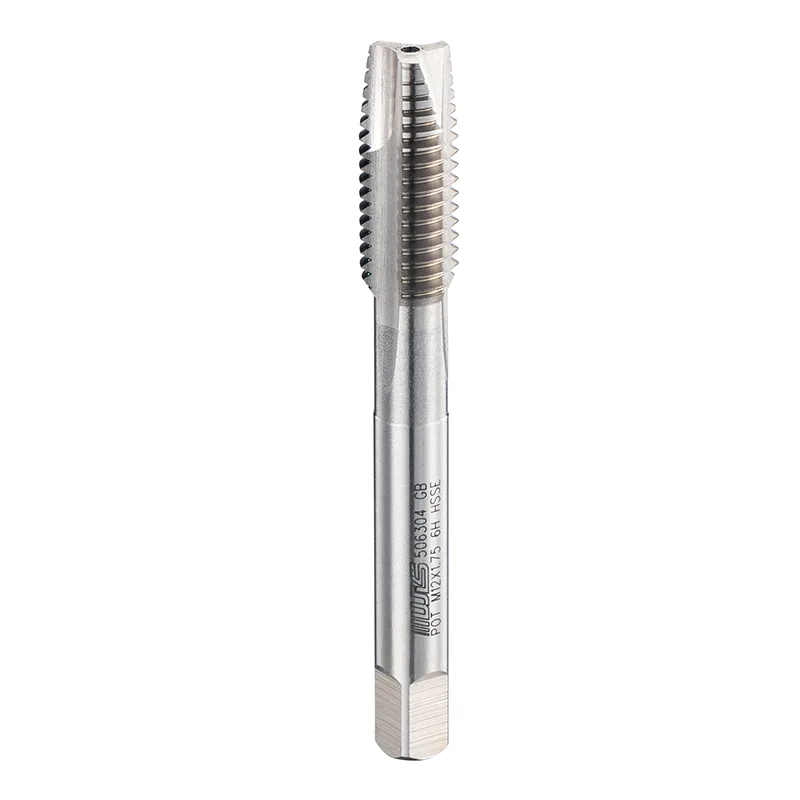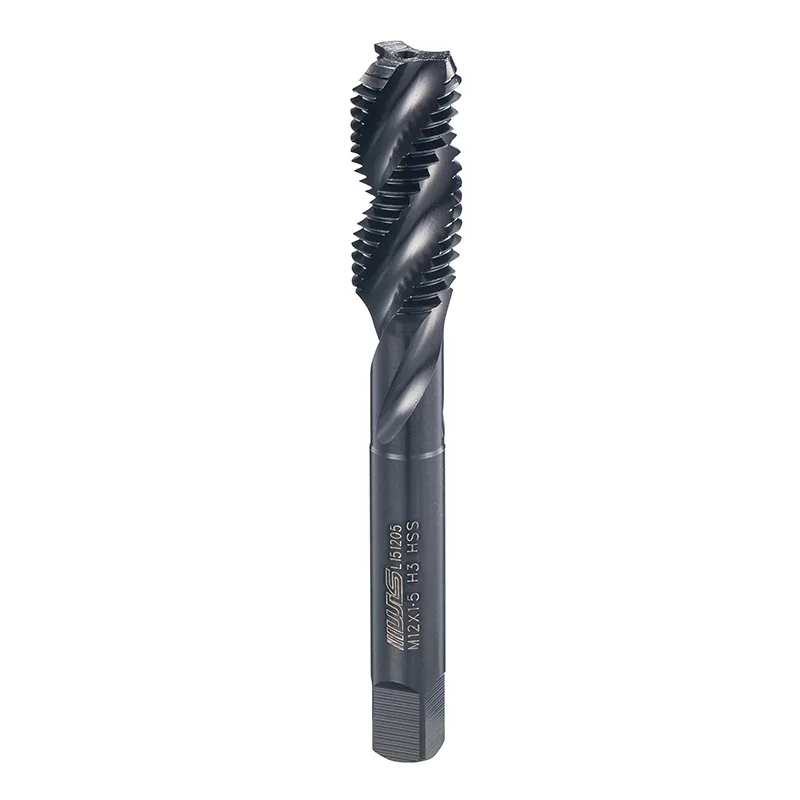
What Are Rolling Taps and Why Are They Outperforming Cut Taps in High-Volume Threading?
Threading is one of the most critical operations in precision manufacturing, and the choice of tooling directly determines whether a production line runs profitably or not. Rolling Taps have emerged as the dominant solution across high-volume industries, consistently delivering longer tool life, superior thread strength, and dramatically lower per-part costs compared to conventional cut taps. For manufacturers running thousands of threaded holes per shift, the difference is not marginal — it is transformational.
At Taizhou Hongyi Precision Tools Co.,Ltd., our engineers have spent years refining the geometry, material composition, and surface treatment of our Rolling Taps to meet the exacting demands of automotive, aerospace, electronics, and general metalworking applications. This article breaks down exactly what Rolling Taps are, how they outperform cut taps in every measurable metric, and why leading manufacturers globally are switching their threading operations to form tapping technology.

Table of Contents
- What Are Rolling Taps and How Do They Work?
- How Are Rolling Taps Different From Cut Taps in Mechanism and Result?
- Why Do Rolling Taps Outperform Cut Taps in High-Volume Threading?
- What Are the Full Product Specifications of Our Rolling Taps?
- Which Materials Are Rolling Taps Best Suited For?
- How Do You Choose the Right Rolling Tap for Your Application?
- Summary
- FAQ
What Are Rolling Taps and How Do They Work?
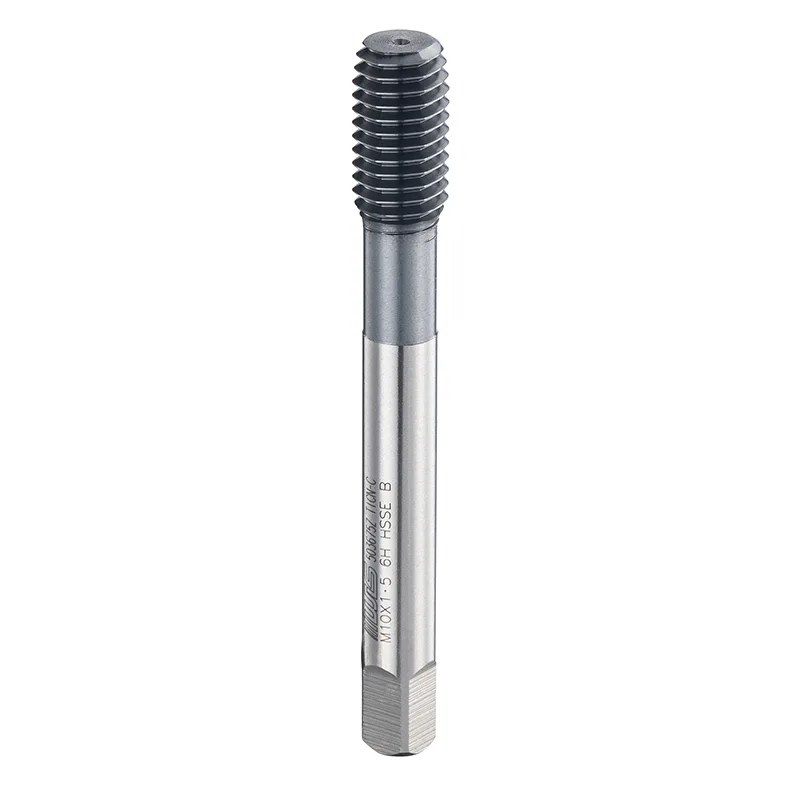
Rolling Taps, also referred to as form taps or fluteless taps, are cutting tools designed to create internal threads through a cold-forming process rather than cutting and removing material. Unlike traditional taps that use flutes to shear away chips, Rolling Taps displace the workpiece material, compressing it into the thread profile. The result is a thread that is physically denser, stronger, and more dimensionally consistent than anything produced by conventional cutting methods.
The operating principle relies on a lobed cross-sectional geometry. As the tap rotates into the pre-drilled hole, the lobes make contact with the material at specific pressure points, progressively forming the thread helix without generating any chips whatsoever. This chip-free process is perhaps the single most important differentiator between rolling and cutting methods — it eliminates chip evacuation problems, prevents chip re-cutting, and allows for the use of through-coolant delivery directly to the forming zone.
Here is a step-by-step breakdown of how the rolling tap forming process works:
- A precisely sized pilot hole is drilled — slightly larger than what cut tapping requires, to accommodate displaced material.
- The Rolling Tap enters the hole under controlled torque, with the lobes beginning to contact the bore wall.
- Radial pressure from the lobes plastically deforms the metal outward and upward, building up the thread form progressively with each revolution.
- The material grain structure follows the thread contour rather than being severed, resulting in work-hardened thread surfaces that resist wear and fatigue.
- The tap retracts cleanly, leaving a complete thread with no chips and no burrs at the thread entry.
At Taizhou Hongyi Precision Tools Co.,Ltd., our Rolling Taps are manufactured with polygon-ground fluteless geometry that ensures consistent radial pressure distribution across all lobes. This precision grinding process is performed on Swiss-origin CNC tool grinding machines to tolerances within 0.003mm, guaranteeing thread quality that meets ISO, DIN, and ANSI standards simultaneously. Our product line covers M2 through M30 metric sizes as well as UNC and UNF inch thread forms, with both standard and long-shank configurations available.
How Are Rolling Taps Different From Cut Taps in Mechanism and Result?
The mechanical distinction between rolling and cutting taps goes far deeper than surface appearance. Understanding the difference at the process level is essential for any manufacturing engineer evaluating tooling for a high-output threading application.
Cut taps function by removing material. Their flutes create cutting edges that shear through the workpiece, and the resulting chips must be evacuated through the flute channels. This material removal process inherently severs the grain structure of the metal along the thread form. The severed surface is relatively weak, presents micro-crack initiation points, and has no work-hardening benefit. Additionally, the chip management requirement means that coolant delivery, flute count, and feed rate all have to be carefully balanced to prevent chip packing — one of the primary causes of tap breakage in high-speed production.
Rolling Taps create threads by forming, not removing. The following comparison table illustrates the core mechanical and output differences between the two methods:
| Comparison Factor | Rolling Taps (Form Taps) | Cut Taps |
| Material Removal | None — material is displaced | Yes — chips are generated |
| Thread Root Strength | Higher — work-hardened grain flow | Lower — grain structure severed |
| Surface Finish (Ra) | 0.4 to 0.8 micron typical | 1.6 to 3.2 micron typical |
| Chip Management Required | No | Yes — critical for blind holes |
| Tool Life (holes per tap) | 3x to 10x longer | Baseline |
| Torque Requirement | Higher forming torque | Lower cutting torque |
| Pilot Hole Size | Slightly larger | Standard |
| Suitable Materials | Ductile metals (aluminum, steel under 38 HRC, copper, stainless) | Most metals including brittle materials |
| Blind Hole Performance | Excellent — no chip packing | Challenging — requires chip management |
| Break Risk in Production | Significantly lower | Higher due to chip-related issues |
Our engineering team at Taizhou Hongyi Precision Tools Co.,Ltd. has conducted internal testing comparing our Rolling Taps against leading cut tap brands across aluminum 6061-T6 and stainless steel 304 workpieces. In aluminum, our form taps consistently delivered over 12,000 holes per tool before measurable wear. Cut taps in the same material averaged between 1,500 and 2,800 holes. The performance gap is not a marketing claim — it is measurable production output, and it directly translates into tooling cost savings that scale rapidly in high-volume environments.
Why Do Rolling Taps Outperform Cut Taps in High-Volume Threading?
When production volumes reach the thousands of holes per shift range, every aspect of tool performance has an amplified financial impact. Rolling Taps outperform cut taps in high-volume scenarios across five distinct performance dimensions, each of which compounds the overall efficiency advantage.
1. Extended Tool Life Reduces Cost Per Thread
Because Rolling Taps form rather than cut, there is no progressive edge wear of cutting geometry. The lobes experience gradual, predictable compressive wear rather than the edge chipping and flank wear that degrades cutting tap geometry. In our factory validation data across automotive bracket production lines, Rolling Taps achieved a minimum of 5x the tool life of equivalent cut taps, reducing per-hole tooling cost by over 70 percent when factoring in tool change downtime.
2. Zero Chip Generation Eliminates the Most Common Failure Mode
Chip packing is the number one cause of tap breakage in blind hole applications. A single broken tap in an aluminum housing or steel block can render the entire part scrap — an expensive outcome multiplied across thousands of parts. Rolling Taps produce no chips whatsoever, removing this failure mode entirely from the production equation. Coolant is used purely for lubrication and temperature control, not chip evacuation.
3. Superior Thread Strength Improves End-Product Quality
The cold-forming process that Rolling Taps use produces a work-hardened thread surface with continuous grain flow. Independent tensile testing confirms that form-tapped threads exhibit 10 to 30 percent higher stripping strength compared to cut-tapped threads in equivalent materials and thread classes. For structural fastener applications in automotive or machinery assembly, this strength advantage directly improves product safety margins.
4. Faster Cycle Times Through Higher Spindle Speeds
Without the need to manage chip evacuation, Rolling Taps can operate at significantly higher surface speeds. Our recommended cutting speed parameters for aluminum allow spindle speeds up to 40 percent faster than comparable cut tap operations. In a high-volume cell running 6,000 parts per day, that cycle time reduction can mean one additional machine shift of output without additional capital investment.
5. Better Thread Finish Reduces Downstream Inspection Rejection Rates
The burnished, work-hardened thread surface produced by Rolling Taps has a surface finish typically in the 0.4 to 0.8 Ra range, compared to 1.6 Ra or worse for cut taps. This superior finish reduces friction in assembled fastener joints, improves corrosion resistance in the thread valley, and consistently passes gauge inspection at higher rates than cut-tapped threads. Our customers in the electronics enclosure sector have reported inspection pass rate improvements of 15 to 22 percent after switching to our Rolling Taps.
What Are the Full Product Specifications of Our Rolling Taps?
Taizhou Hongyi Precision Tools Co.,Ltd. manufactures Rolling Taps across a comprehensive range of sizes, materials, coatings, and thread standards. The following specification tables represent our standard production catalog. Custom specifications including non-standard pitches, extended shanks, and specialty coatings are available on request with lead times from 7 to 15 business days.
Standard Metric Rolling Tap Size Range
| Thread Size | Pitch (mm) | Recommended Pilot Hole (mm) | Overall Length (mm) | Shank Diameter (mm) | Thread Tolerance |
| M2 | 0.4 | 1.75 | 40 | 3.15 | 6H |
| M3 | 0.5 | 2.65 | 56 | 6.0 | 6H |
| M4 | 0.7 | 3.55 | 63 | 6.3 | 6H |
| M5 | 0.8 | 4.50 | 70 | 6.3 | 6H |
| M6 | 1.0 | 5.40 | 80 | 8.0 | 6H |
| M8 | 1.25 | 7.22 | 90 | 10.0 | 6H |
| M10 | 1.5 | 9.10 | 100 | 12.5 | 6H |
| M12 | 1.75 | 10.95 | 110 | 14.0 | 6H |
| M16 | 2.0 | 14.75 | 130 | 18.0 | 6H |
| M20 | 2.5 | 18.50 | 150 | 22.4 | 6H |
Material and Coating Options
| Specification | Option A | Option B | Option C |
| Base Material | High Speed Steel (HSS-M2) | HSS-E (Cobalt 5%) | Solid Carbide |
| Hardness (HRC) | 63 to 65 | 65 to 67 | 70+ |
| Surface Coating | Bright (uncoated) | TiN (gold) | TiCN / TiAlN |
| Coating Hardness (HV) | N/A | 2300 | 3000 to 3500 |
| Max Operating Temp (C) | 550 | 600 | 900 |
| Best For | Aluminum, Copper, Brass | Mild Steel, Stainless | Hardened Steel, Titanium |
| Relative Tool Life Index | 1.0x (baseline) | 2.5x | 5.0x |
Key Product Performance Parameters
- Thread tolerance class: 6H standard, 5H and 7H available on request
- Shank tolerance: h6 for CNC and tapping head compatibility
- Drive type: Square drive, hex shank, or straight shank with Weldon flat
- Coolant delivery: External flood, through-tool coolant, or MQL (minimum quantity lubrication) compatible
- Thread standards: ISO metric, DIN, ANSI/ASME inch (UNC/UNF), BSP available
- Packaging: Individual protective sleeve, bulk packs of 10 or 25 for production floor use
- Certification: ISO 9001:2015, RoHS compliant materials, material traceability certificates on request
Which Materials Are Rolling Taps Best Suited For?
Material selection is one of the most important factors determining whether a Rolling Tap will deliver its full performance potential. Because the forming process relies on plastic deformation of the workpiece, the material must have sufficient ductility to flow under radial pressure without fracturing. As a general rule, materials with elongation values above 10 percent in tensile testing are excellent candidates for form tapping.
The following materials represent the primary application range for our Rolling Taps at Taizhou Hongyi Precision Tools Co.,Ltd.:
| Material Category | Specific Alloys | Recommended Tap Grade | Recommended Coating | Suitability Rating |
| Aluminum Alloys | 6061, 6063, 7075, 2024, A380 die cast | HSS-M2 or Carbide | Bright or TiN | Excellent |
| Copper and Brass | C110, C260, C360, bronze alloys | HSS-M2 | Bright | Excellent |
| Low Carbon Steel | 1018, 1020, 1045, A36 | HSS-E Cobalt | TiN | Very Good |
| Stainless Steel | 304, 316, 316L, 17-4PH under 35 HRC | HSS-E Cobalt or Carbide | TiCN | Good |
| Alloy Steel | 4140, 4340, 8620 under 38 HRC | Carbide | TiAlN | Good |
| Titanium | Ti-6Al-4V, Grade 2, Grade 5 | Carbide | TiAlN | Moderate — requires controlled parameters |
| Nickel Alloys | Inconel 625, 718, Monel 400 | Carbide | TiAlN | Moderate — specialist application |
Materials not recommended for Rolling Taps include grey cast iron, hardened steel above 40 HRC, ceramics, and any brittle material with elongation below 8 percent. In these cases, conventional cut taps remain the appropriate choice, and our factory stocks a full complementary range of spiral flute and spiral point cut taps for these applications.
How Do You Choose the Right Rolling Tap for Your Application?
Selecting the optimal Rolling Tap for a specific threading application requires evaluating six key parameters in sequence. Working through this selection process systematically ensures that the chosen tool will deliver maximum performance and the longest possible service life.
- Step 1 — Confirm material ductility: Verify that your workpiece material has sufficient elongation for cold forming. Request a material certificate if necessary. Aluminum, mild steel, and copper are straightforward. Stainless and titanium require additional consultation on tool grade and process parameters.
- Step 2 — Define thread standard and class: Determine whether you need ISO metric (M series), UNC, UNF, or a special thread form. Identify the required tolerance class — 6H is standard for most general engineering applications, while 5H is used where tighter fit is critical. Our sales team at Taizhou Hongyi Precision Tools Co.,Ltd. can provide tolerance recommendations based on your mating fastener specifications.
- Step 3 — Calculate correct pilot hole diameter: Form tapping requires a pilot hole that is 1 to 3 percent larger than the equivalent cut tap pilot. Using the wrong pilot hole diameter is the most common cause of oversized or undersized threads when switching from cut to form tapping. Our technical documentation provides exact pilot hole tables for every size in our range.
- Step 4 — Select base material and coating: Use HSS-M2 bright for soft non-ferrous metals, HSS-E with TiN coating for steel applications, and carbide with TiAlN for hardened or exotic alloys. The coating choice directly affects built-up edge resistance, maximum surface speed, and tool life in each material category.
- Step 5 — Determine drive and shank configuration: CNC machining centres require straight shank with h6 tolerance for collet or tap chuck mounting. Dedicated tapping heads may require square drive shanks. Verify spindle compensation availability — synchronised tapping is strongly recommended for form tapping to avoid pitch errors.
- Step 6 — Set cutting parameters: Form tapping generally operates at 10 to 40 percent higher surface speeds than cut tapping in equivalent materials. Lubrication is essential — neat cutting oil or high-concentration soluble oil is preferred. Through-tool coolant delivery is available on our M6 and larger sizes for deep hole applications.
Our technical team provides free application support for new customers including pilot hole calculation, speed and feed recommendations, and toolholder compatibility assessment. Contact our factory directly to schedule a technical consultation before placing your first order.
Summary
Rolling Taps have fundamentally changed the economics of high-volume internal threading. By replacing material cutting with material forming, they eliminate the chip management challenges that cause the majority of cut tap failures, deliver work-hardened threads with measurably superior tensile strength, and achieve tool life figures that reduce per-hole tooling cost to a fraction of conventional tapping. For any manufacturer running high-volume threading operations in aluminum, steel, stainless, copper, or similar ductile materials, the business case for switching to form tapping is overwhelming.
Taizhou Hongyi Precision Tools Co.,Ltd. manufactures Rolling Taps across a comprehensive size and specification range, backed by over two decades of precision tooling expertise and ISO 9001:2015 certified production quality. Our factory serves customers across automotive, aerospace, electronics, hydraulics, and general engineering sectors globally, providing not only high-performance tools but the technical application support needed to extract maximum value from every threading operation.
If you are evaluating Rolling Taps for your production line, our team is ready to provide sample tools, application data sheets, and customized technical recommendations based on your specific workpiece materials, machine platform, and volume requirements. Contact Taizhou Hongyi Precision Tools Co.,Ltd. today to start a conversation about how form tapping can reduce your threading costs and improve your end-product quality simultaneously.
Request a free technical consultation or sample tool order — reach out to our factory team now and let us demonstrate what precision-manufactured Rolling Taps can do for your production floor.
FAQ: Rolling Taps vs Cut Taps in High-Volume Threading
Q: What is the correct pilot hole size when switching from cut tapping to Rolling Taps?
A: Rolling Taps require a pilot hole that is slightly larger than the equivalent cut tap pilot because the forming process displaces material outward rather than removing it. As a general guideline, the form tap pilot hole diameter should be approximately 1 to 3 percent larger than the standard cut tap pilot for the same thread size and pitch. For example, an M6 x 1.0 cut tap typically uses a 5.0mm pilot hole, while an M6 form tap requires approximately 5.3 to 5.4mm. Using the correct pilot hole is critical — an undersized hole will overload the tap and risk breakage, while an oversized hole will produce a loose thread that fails gauge inspection. Always refer to the specific pilot hole table provided by the tool manufacturer for each size, as the optimal value varies by material ductility and thread class.
Q: Can Rolling Taps be used in blind holes, and do they require any special setup compared to through holes?
A: Rolling Taps are actually superior to cut taps in blind hole applications for one fundamental reason — they produce zero chips. In cut tapping, blind hole threading requires careful management of chip evacuation to prevent chip packing at the bottom of the hole, which is a leading cause of tap breakage and hole damage. Rolling Taps eliminate this problem entirely because no material is removed. For blind hole setup, the key considerations are ensuring sufficient depth clearance beyond the last thread to accommodate the tap's chamfer length, and verifying that the machine has synchronised tapping capability to allow precise reversal without applying tensile stress to the tap. Through-tool coolant delivery, available on M6 and larger sizes in our range, further enhances blind hole performance by flushing any residual metallic debris and maintaining consistent forming temperature.
Q: What torque levels do Rolling Taps require compared to cut taps, and how does this affect machine selection?
A: Rolling Taps require higher torque than cut taps of equivalent size because forming requires overcoming the yield strength of the workpiece material across the full contact area of the lobes simultaneously, rather than the progressive shear action of cutting edges. As a rough benchmark, form tapping torque requirements are typically 30 to 50 percent higher than cut tapping in the same material. This means that machine spindle torque, tapping head torque capacity, and toolholder clamping must all be rated appropriately. For most modern CNC machining centres with rigid tapping functionality, this is not a limitation — the machines are generally over-specified for torque relative to thread size. However, on older manual or semi-automatic tapping machines, it is worth verifying that the tapping head or machine spindle can handle the increased torque demand, particularly for larger thread sizes above M12 in steel materials.
Q: How does the surface finish quality of Rolling Tap threads compare to cut tap threads under SEM analysis, and why does it matter for fatigue-loaded applications?
A: Under scanning electron microscopy, the thread surface produced by Rolling Taps shows a burnished, continuous metal flow structure with the grain boundaries oriented parallel to the thread helix. In contrast, cut tap threads display a machined surface with visible tool marks, grain boundary interruptions, and micro-scale stress concentration features at the thread root. In fatigue-loaded fastener joints — which are standard in automotive suspension, engine, and chassis components — these micro-features in cut-tapped threads act as initiation sites for fatigue cracks under cyclic loading. The continuous grain flow of form-tapped threads eliminates these initiation sites, and the work-hardening effect of the forming process increases the compressive residual stress at the thread root, which actively resists fatigue crack propagation. Published research in precision engineering literature consistently shows that form-tapped threads achieve fatigue life improvements of 20 to 40 percent compared to cut-tapped threads in equivalent materials and loading conditions, which is a significant factor in safety-critical assembly specifications.
Q: What lubrication is recommended for Rolling Taps, and can they be run dry in aluminum applications?
A: Lubrication is essential for Rolling Taps regardless of workpiece material — dry running is not recommended even in aluminum, despite aluminum's relatively low forming resistance. The reason is that the cold-forming process generates significant frictional heat at the lobe contact zone, and without lubrication, this heat accumulates rapidly and causes built-up edge formation, galling of the tap surface, and accelerated wear of the forming lobes. For aluminum alloys, a light neat cutting oil, high-concentration soluble oil at 8 to 12 percent, or a dedicated form tapping compound all deliver excellent results. Minimum quantity lubrication (MQL) systems are also effective in aluminum and are increasingly preferred in clean-room adjacent manufacturing environments. For steel and stainless applications, a chlorine-free sulphurised cutting oil or a high-performance synthetic tapping compound is recommended to manage the higher forming pressures and temperatures involved. Through-tool coolant delivery at 20 to 40 bar is the preferred solution for deep blind hole applications in stainless or titanium, as it maintains consistent tool temperature and clears any metallic debris from the hole before the next revolution.
Related News
- How Did One Machine Shop Reduce Threading Rejects by 60%—After Switching to DIN Straight Flute Taps for Their Blind Hole Operations?
- Why Are DIN Extended Spiral Point Taps Essential for High-Performance Threading?
- Why Are ISO Spiral Flute Taps With Coating Essential for High-Precision Threading?
- How Can ISO Extended Spiral Flute Taps Improve Precision Machining Performance?
- Why Are ISO Spiral Point Taps With No Coating Still a Preferred Choice for Precision Threading?
- Why JIS Spiral Flute Taps With Coating Deliver Superior Threading Performance in Modern Machining Applications?
Leave me a message