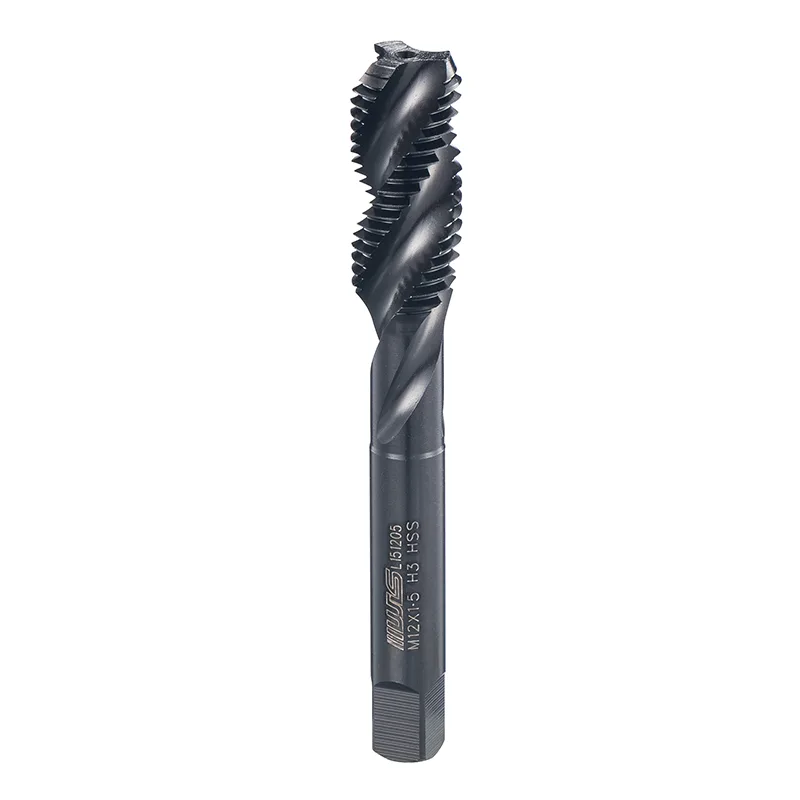
Why Are JIS Extended Spiral Flute Taps Essential for Precision Threading?
Discover how JIS Extended Spiral Flute Taps improve chip evacuation, threading accuracy, production efficiency, and tool life across demanding industrial applications. This comprehensive guide explains material compatibility, common problems, selection methods, maintenance practices, and performance advantages for manufacturers seeking reliable threading solutions.
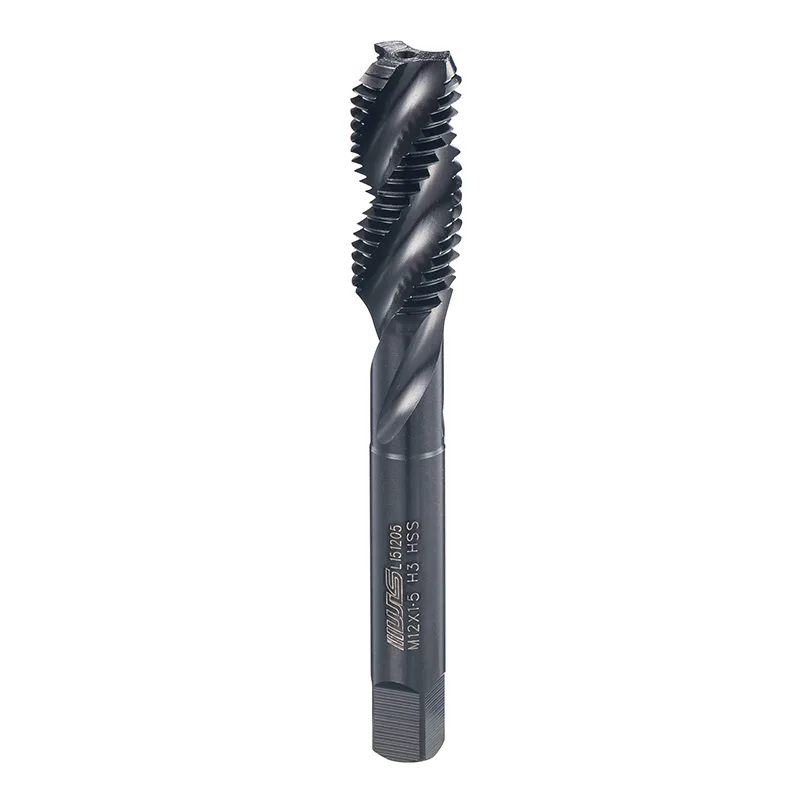
Article Summary
JIS Extended Spiral Flute Taps are widely used in modern machining environments where deep-hole threading, smooth chip evacuation, and high-precision internal threads are critical. Compared with conventional taps, these specialized tools offer superior cutting performance in blind holes and difficult-to-machine materials. Industries such as automotive manufacturing, aerospace engineering, mold processing, electronics, and heavy equipment production rely heavily on these taps to maintain consistency and productivity.
This article explores the working principles, benefits, applications, material selection, coating technologies, troubleshooting methods, and purchasing considerations for JIS Extended Spiral Flute Taps. Readers will also learn how manufacturers like Taizhou Hongyi Precision Tools Co.,Ltd. provide dependable tooling solutions that improve machining performance while reducing operational costs.
Table of Contents
- 1. What Are JIS Extended Spiral Flute Taps?
- 2. How Do Spiral Flute Taps Work?
- 3. Why Are JIS Standards Important?
- 4. Key Advantages of Extended Spiral Flute Taps
- 5. Common Industrial Applications
- 6. Materials Suitable for These Taps
- 7. Coating Technologies and Performance
- 8. Common Threading Problems and Solutions
- 9. Choosing the Right Tap
- 10. Maintenance and Tool Life Tips
- 11. Comparison with Other Tap Types
- 12. Industry Trends and Automation
- 13. Frequently Asked Questions
- 14. Final Thoughts
1. What Are JIS Extended Spiral Flute Taps?
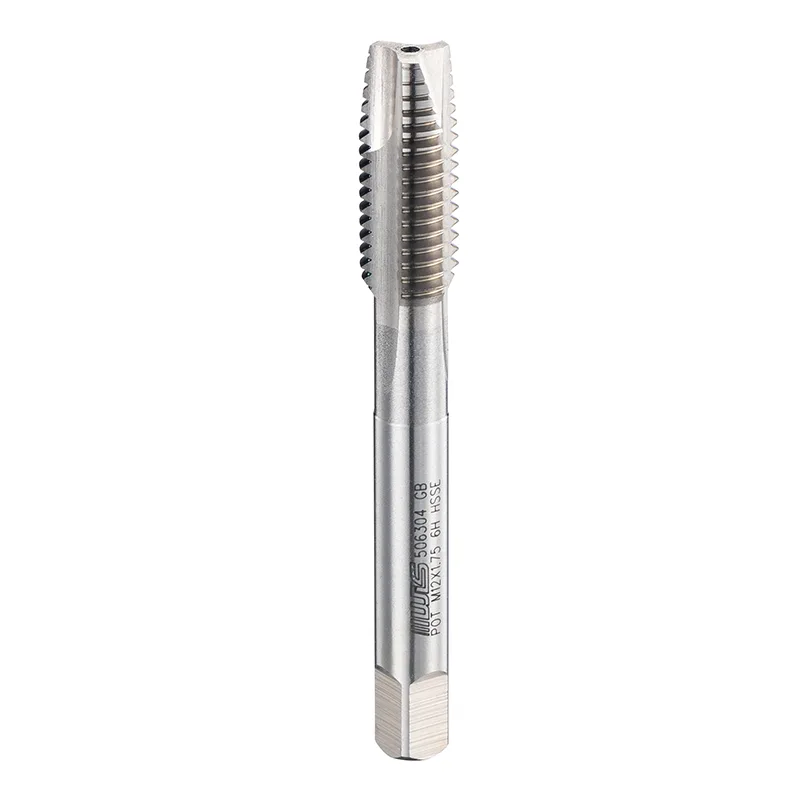
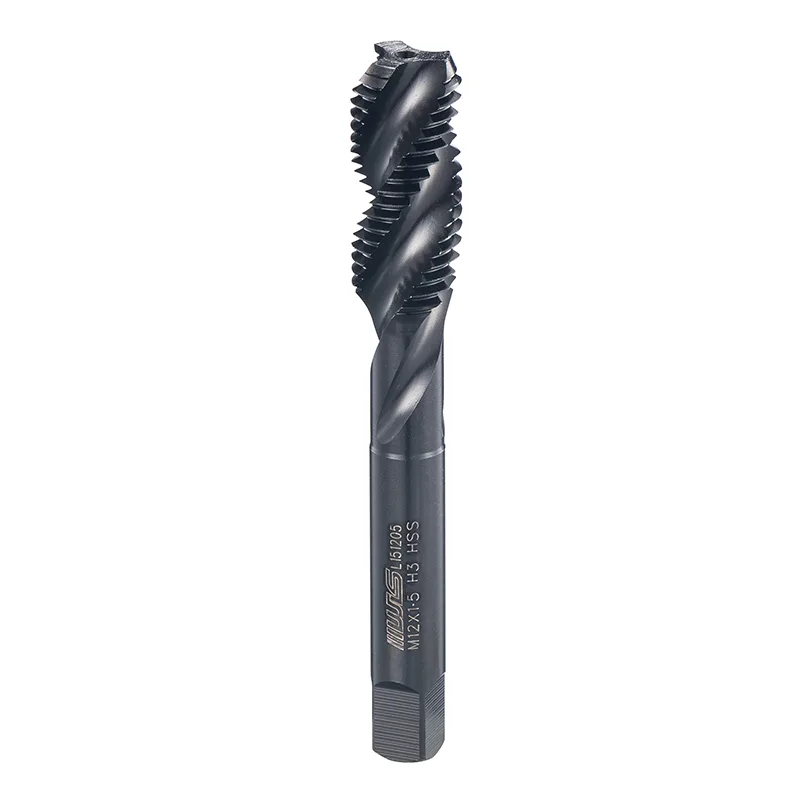
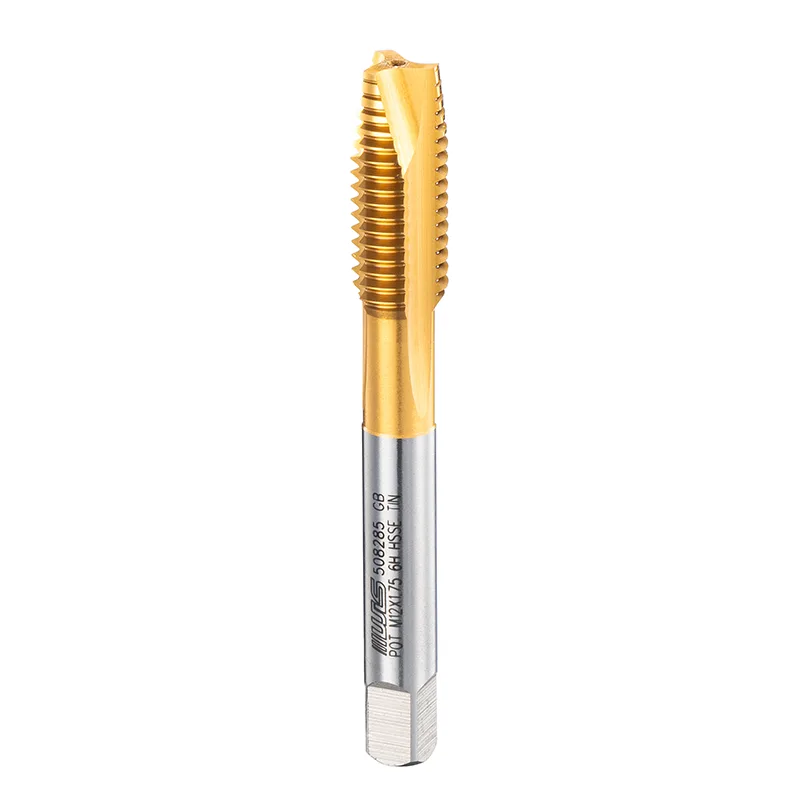
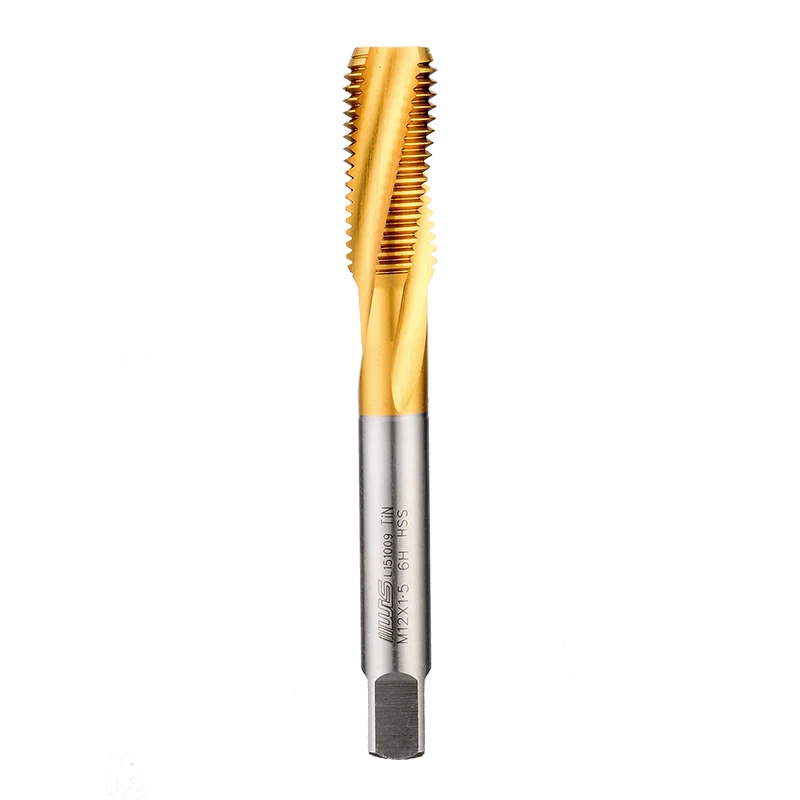
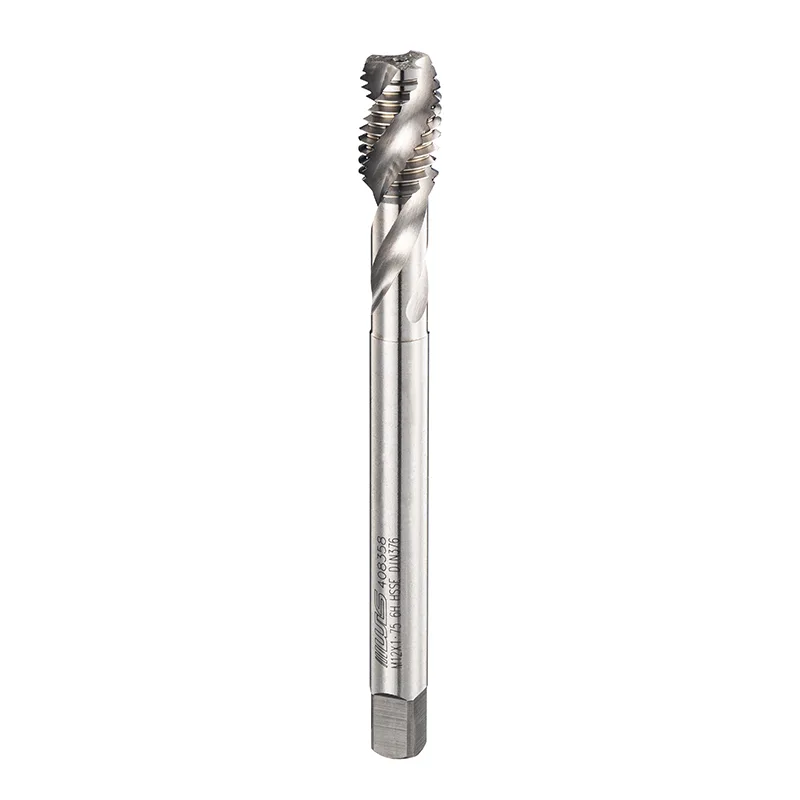
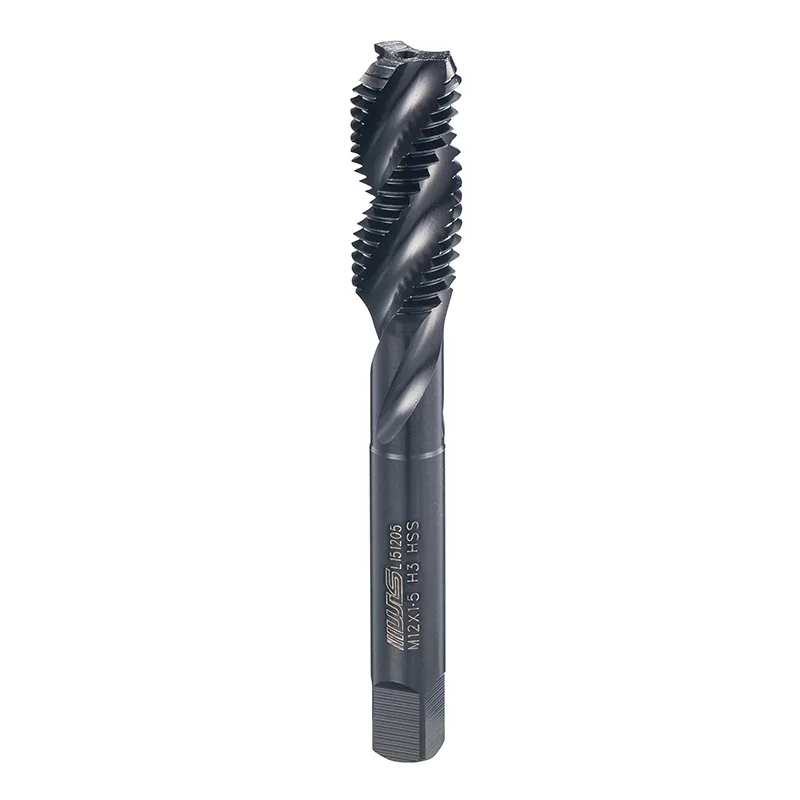
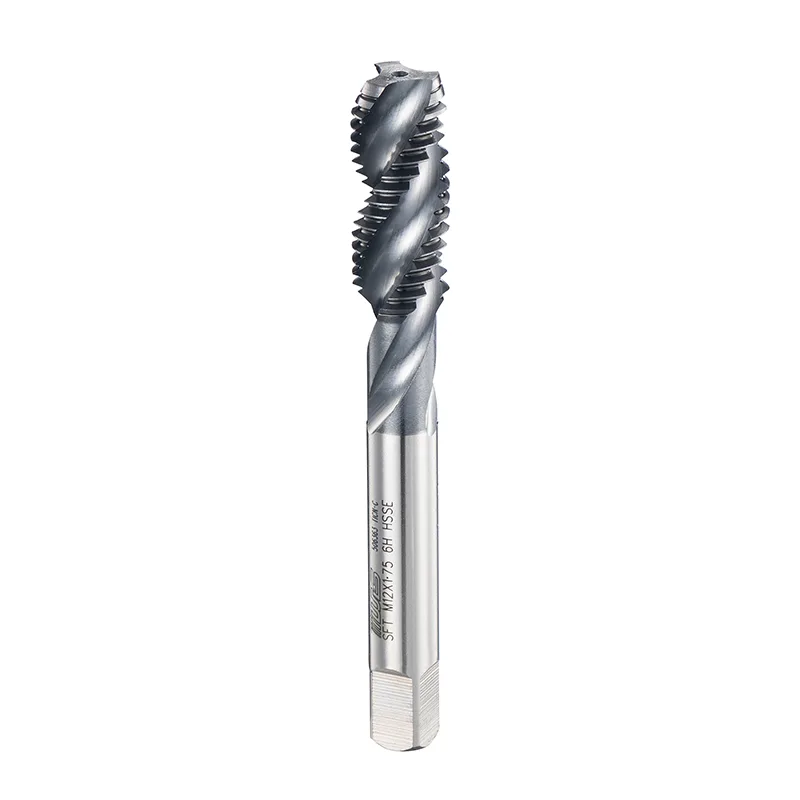
JIS Extended Spiral Flute Taps are precision threading tools designed according to Japanese Industrial Standards (JIS). These taps feature extended shank lengths and spiral flute geometries that efficiently remove chips during internal thread machining.
Unlike straight flute taps, spiral flute taps pull chips upward and away from the cutting zone. This design makes them highly effective for blind-hole threading operations where chip accumulation can damage threads or break the tool.
The “extended” design allows machining in deeper cavities or hard-to-reach workpiece areas. Manufacturers often use these taps in CNC machining centers, automated production lines, and precision engineering operations.
| Feature | Benefit |
|---|---|
| Spiral Flute Design | Efficient chip evacuation |
| Extended Shank | Access to deep-hole applications |
| JIS Standard | Reliable dimensional accuracy |
| High-Speed Steel or Carbide | Enhanced durability and cutting stability |
2. How Do Spiral Flute Taps Work?
The cutting edges of a spiral flute tap create internal threads while simultaneously transporting chips upward through the helical flutes. This mechanism minimizes clogging and improves machining smoothness.
When tapping blind holes, chips naturally accumulate at the bottom. Straight flute taps may compress these chips, increasing torque and tool breakage risks. Spiral flute taps solve this problem by lifting chips out of the hole.
The spiral angle significantly influences performance:
- 15° Spiral: Suitable for harder materials
- 35° Spiral: General-purpose applications
- 45° Spiral: Soft materials and high chip evacuation demands
Proper chip control directly improves:
- Thread accuracy
- Surface finish quality
- Production speed
- Tool longevity
- Machine stability
3. Why Are JIS Standards Important?
JIS standards ensure dimensional consistency, threading precision, and compatibility across Japanese and global manufacturing systems. Standardization is especially important in industries requiring interchangeable parts and strict tolerances.
JIS-compliant taps offer:
- Consistent pitch accuracy
- Reliable thread geometry
- Stable cutting performance
- Compatibility with international machinery
- Reduced rejection rates
For multinational manufacturers, standardized tooling simplifies procurement and production management. Consistency also improves automation reliability in CNC environments.
4. Key Advantages of Extended Spiral Flute Taps
Modern manufacturers prefer JIS Extended Spiral Flute Taps because they solve multiple machining challenges simultaneously.
| Advantage | Industrial Impact |
|---|---|
| Superior Chip Removal | Prevents clogging and thread defects |
| Lower Cutting Torque | Reduces machine load |
| Improved Surface Finish | Enhances thread quality |
| Extended Tool Reach | Suitable for deep-hole applications |
| Reduced Tool Breakage | Lowers downtime and replacement costs |
These advantages become especially valuable in high-volume manufacturing where even minor inefficiencies can lead to substantial productivity losses.
5. Common Industrial Applications
JIS Extended Spiral Flute Taps are widely used in precision machining sectors that require high-quality internal threads.
Automotive Industry
Automotive manufacturers use these taps for engine blocks, transmission housings, brake systems, and aluminum alloy components. Fast chip evacuation improves production efficiency on automated lines.
Aerospace Engineering
Aerospace applications involve lightweight but difficult-to-machine materials such as titanium alloys and heat-resistant steels. High-performance spiral flute taps ensure thread reliability under strict tolerances.
Electronics Manufacturing
Electronic devices often contain miniature threaded holes requiring high precision. Extended taps enable access to compact internal structures without damaging surrounding components.
Mold and Die Industry
Mold makers require accurate threading for cooling systems and assembly structures. Spiral flute taps improve thread cleanliness and dimensional stability.
6. Materials Suitable for These Taps
Selecting the proper tap material directly influences cutting efficiency and durability.
| Tap Material | Suitable Workpiece Materials | Advantages |
|---|---|---|
| HSS | General steel and aluminum | Affordable and versatile |
| HSS-E | Stainless steel | Higher heat resistance |
| Powder Metallurgy | High-strength alloys | Excellent wear resistance |
| Carbide | Hardened materials | Extreme rigidity and long life |
Manufacturers should evaluate workpiece hardness, cutting speed, coolant conditions, and thread depth before selecting tap materials.
7. Coating Technologies and Performance
Modern coatings significantly improve tap performance by reducing friction and increasing wear resistance.
- TiN Coating: General-purpose wear resistance
- TiCN Coating: Higher hardness for abrasive materials
- TiAlN Coating: Excellent heat resistance for high-speed machining
- AlCrN Coating: Superior oxidation resistance
Benefits of coated taps include:
- Longer service life
- Reduced cutting heat
- Lower friction coefficient
- Higher machining speed
- Better surface finish
In high-volume production environments, coating technology can dramatically reduce tooling costs over time.
8. Common Threading Problems and Solutions
Threading operations may encounter various machining challenges. Understanding their causes helps manufacturers improve efficiency.
| Problem | Possible Cause | Recommended Solution |
|---|---|---|
| Tap Breakage | Poor chip evacuation | Use spiral flute taps |
| Rough Threads | Improper cutting speed | Adjust machining parameters |
| Excessive Wear | Insufficient lubrication | Improve coolant delivery |
| Thread Inaccuracy | Tool runout | Check spindle alignment |
Preventive maintenance and proper tooling selection greatly reduce these issues.
9. Choosing the Right Tap
Selecting the appropriate JIS Extended Spiral Flute Tap requires careful evaluation of machining conditions.
Consider Workpiece Material
Soft materials such as aluminum benefit from higher spiral angles, while hard materials require stronger geometries.
Evaluate Hole Type
Blind holes typically require spiral flute taps because chip removal is critical.
Review Machine Capability
High-speed CNC systems may require coated carbide taps for optimal efficiency.
Analyze Production Volume
Mass production operations benefit from premium coatings and advanced tool materials due to reduced downtime.
10. Maintenance and Tool Life Tips
Proper maintenance extends tap lifespan and ensures consistent threading quality.
- Use appropriate cutting fluids
- Maintain stable spindle alignment
- Monitor cutting speeds and feeds
- Inspect tools regularly for wear
- Store taps in protective cases
- Avoid excessive cutting force
Tool management systems can also help manufacturers monitor usage cycles and schedule timely replacements before failures occur.
11. Comparison with Other Tap Types
| Tap Type | Best Application | Chip Direction |
|---|---|---|
| Straight Flute Tap | Short through holes | Neutral |
| Spiral Point Tap | Through holes | Forward |
| Spiral Flute Tap | Blind holes | Upward |
| Form Tap | Chipless threading | No chips |
Among these options, spiral flute taps remain one of the most versatile solutions for precision blind-hole threading.
12. Industry Trends and Automation
The rise of smart manufacturing and CNC automation continues to increase demand for high-performance threading tools.
Modern machining facilities require:
- Higher cutting speeds
- Reduced downtime
- Stable automated operation
- Longer tool life
- Predictable machining results
JIS Extended Spiral Flute Taps align well with these requirements because they provide stable performance during continuous operation.
Advanced tool manufacturers now integrate precision grinding, nano-coating technologies, and optimized flute geometries to improve cutting performance even further.
Taizhou Hongyi Precision Tools Co.,Ltd. continues to support industrial customers with reliable threading solutions tailored for modern machining demands.
13. Frequently Asked Questions
Are spiral flute taps suitable for blind holes?
Yes. Their upward chip evacuation design makes them highly effective for blind-hole threading operations.
What materials can these taps machine?
They can machine aluminum, carbon steel, stainless steel, titanium alloys, and many engineering materials depending on the tap material and coating.
Why is coating important?
Coatings reduce friction, improve wear resistance, and extend tool life under high-speed machining conditions.
How can tool breakage be minimized?
Using proper cutting parameters, coolant supply, and suitable tap geometry significantly reduces breakage risks.
What industries commonly use these taps?
Automotive, aerospace, mold manufacturing, medical equipment, and electronics industries frequently use JIS Extended Spiral Flute Taps.
14. Final Thoughts
JIS Extended Spiral Flute Taps play a critical role in precision manufacturing environments where threading quality, chip control, and production efficiency are essential. Their ability to improve blind-hole machining performance while reducing tool wear makes them an indispensable solution across modern industries.
As machining technologies continue evolving, manufacturers increasingly require tooling systems capable of delivering consistent and reliable performance. Choosing high-quality taps from experienced suppliers can significantly improve productivity and reduce long-term operational costs. Contact us.
Related News
- How Did One Machine Shop Reduce Threading Rejects by 60%—After Switching to DIN Straight Flute Taps for Their Blind Hole Operations?
- Why Are DIN Extended Spiral Point Taps Essential for High-Performance Threading?
- Why Are ISO Spiral Flute Taps With Coating Essential for High-Precision Threading?
- How Can ISO Extended Spiral Flute Taps Improve Precision Machining Performance?
- Why Are ISO Spiral Point Taps With No Coating Still a Preferred Choice for Precision Threading?
- Why JIS Spiral Flute Taps With Coating Deliver Superior Threading Performance in Modern Machining Applications?
Leave me a message