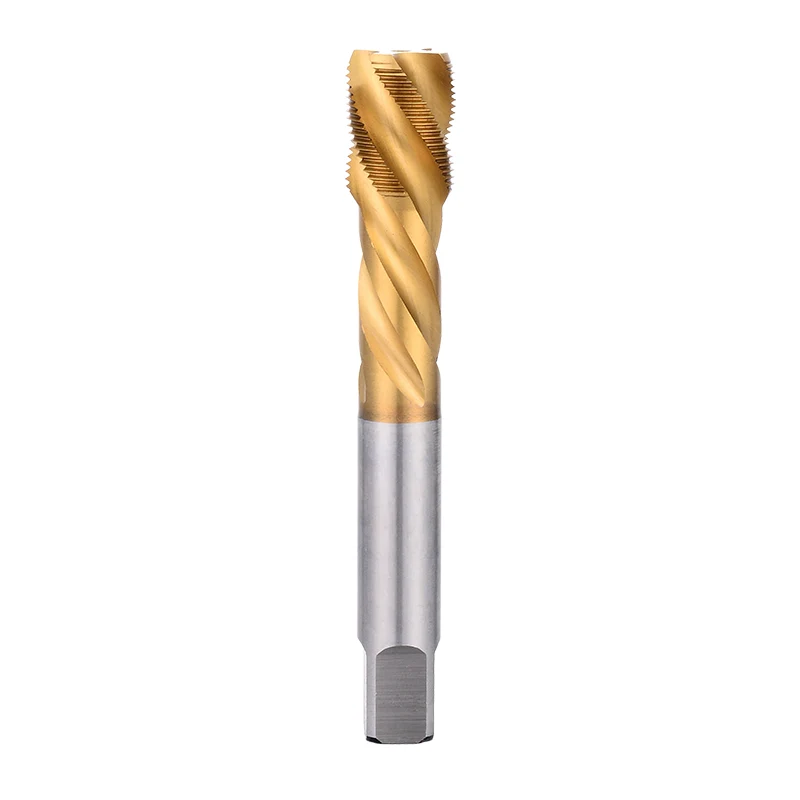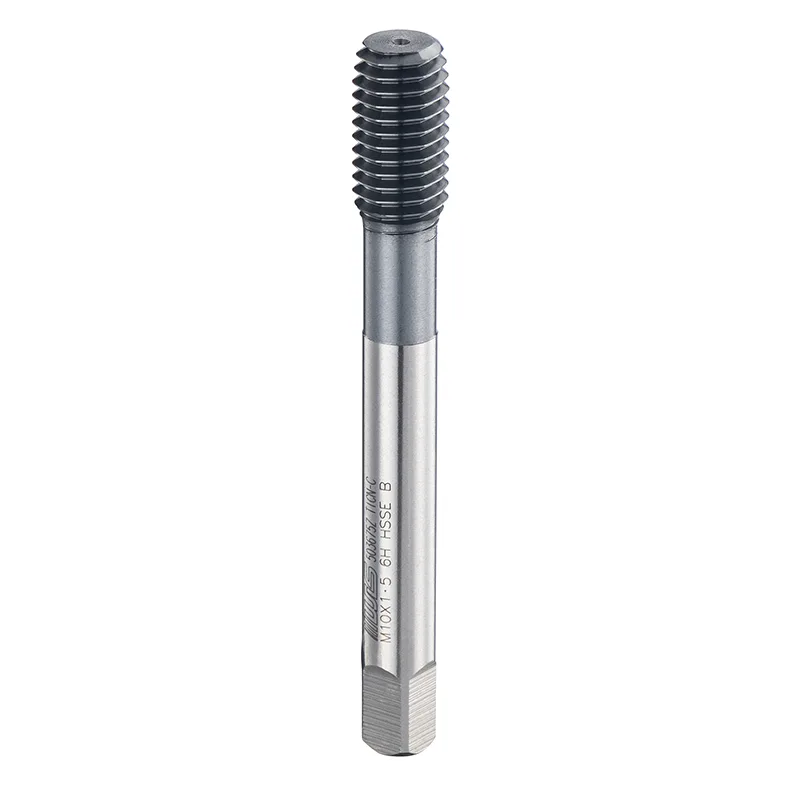
Why JIS Spiral Flute Taps With Coating Deliver Superior Threading Performance in Modern Machining Applications?
In modern precision manufacturing, threading accuracy, tool longevity, and machining efficiency are critical factors that directly affect production quality and cost. JIS Spiral Flute Taps With Coating have become a preferred solution in industries such as automotive, aerospace, mold making, and general metal fabrication due to their ability to improve chip evacuation, reduce friction, and enhance wear resistance. This article explores their structure, working principles, coating technologies, performance advantages, and real-world applications. It also addresses common challenges faced by machinists—such as tap breakage, poor chip removal, and inconsistent thread quality—and provides practical guidance for selecting and using coated spiral flute taps effectively.
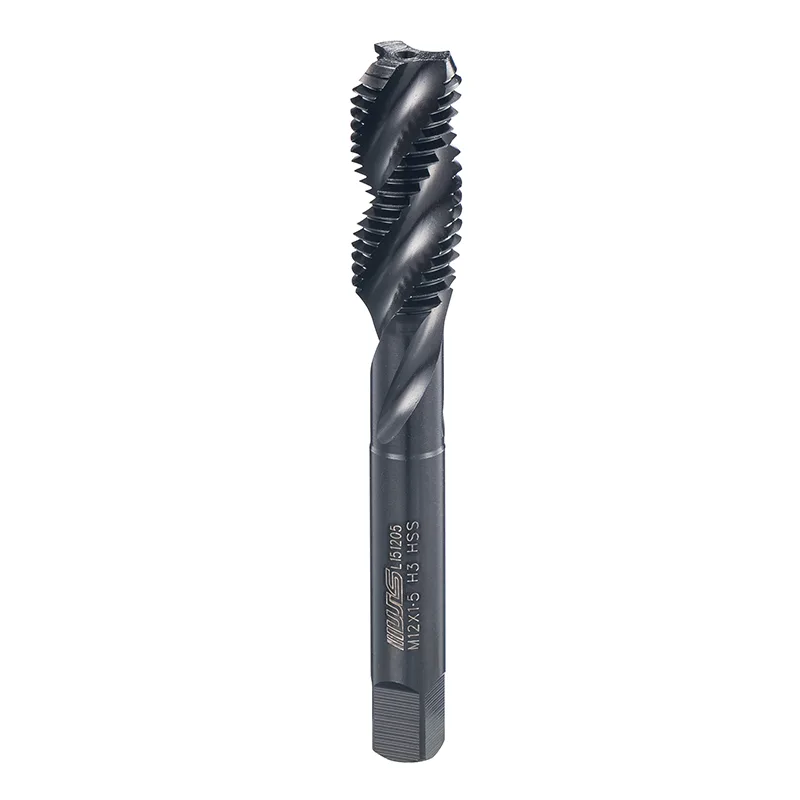
Table of Contents
- 1. Introduction to JIS Spiral Flute Taps With Coating
- 2. Structural Design and Working Principle
- 3. Advanced Coating Technologies and Their Functions
- 4. Key Advantages in Industrial Applications
- 5. Coated vs Uncoated Spiral Flute Taps
- 6. Industrial Applications and Use Cases
- 7. How to Select the Right Spiral Flute Tap
- 8. Usage Tips and Maintenance Guidelines
- 9. Common Problems and Solutions
- 10. Frequently Asked Questions
- 11. Conclusion and Professional Recommendation
1. Introduction to JIS Spiral Flute Taps With Coating
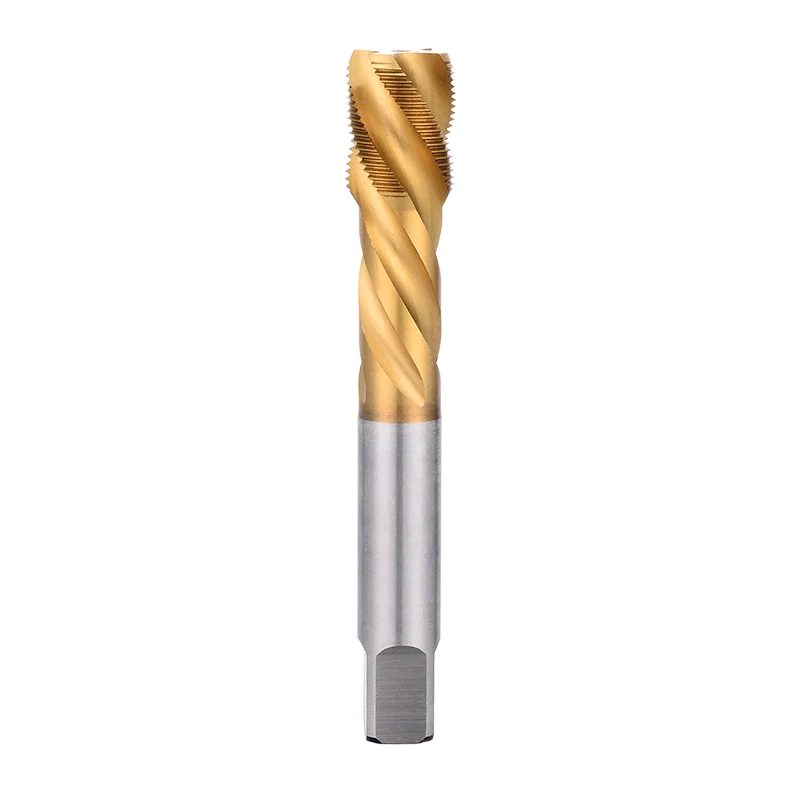
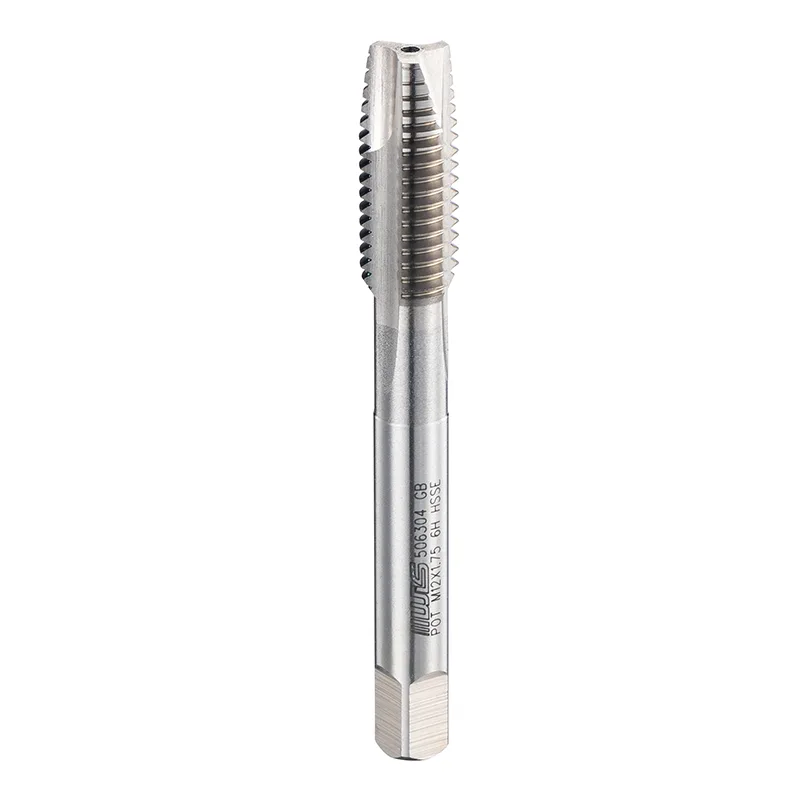
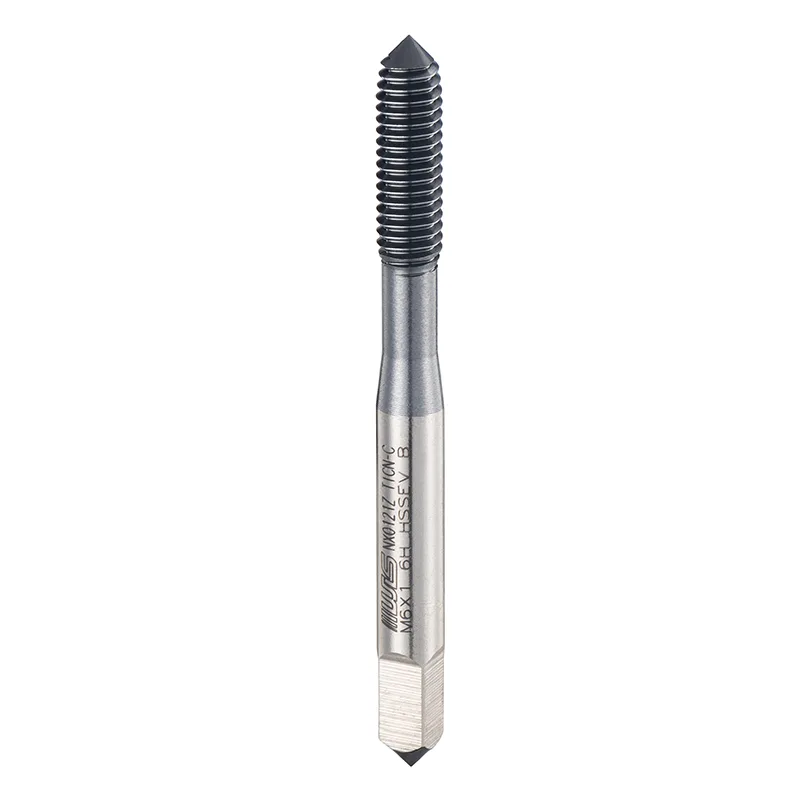
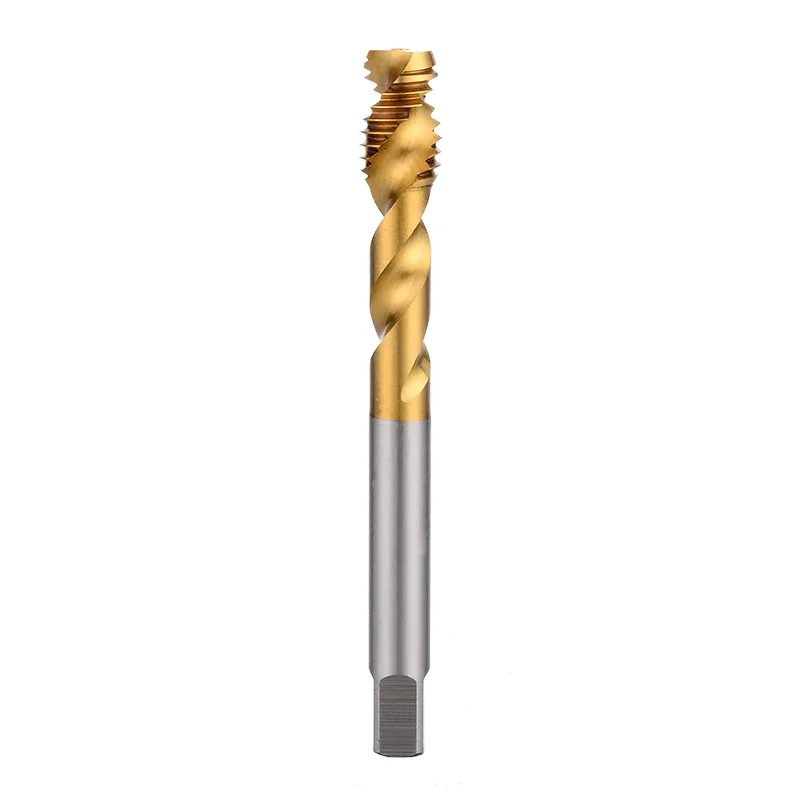
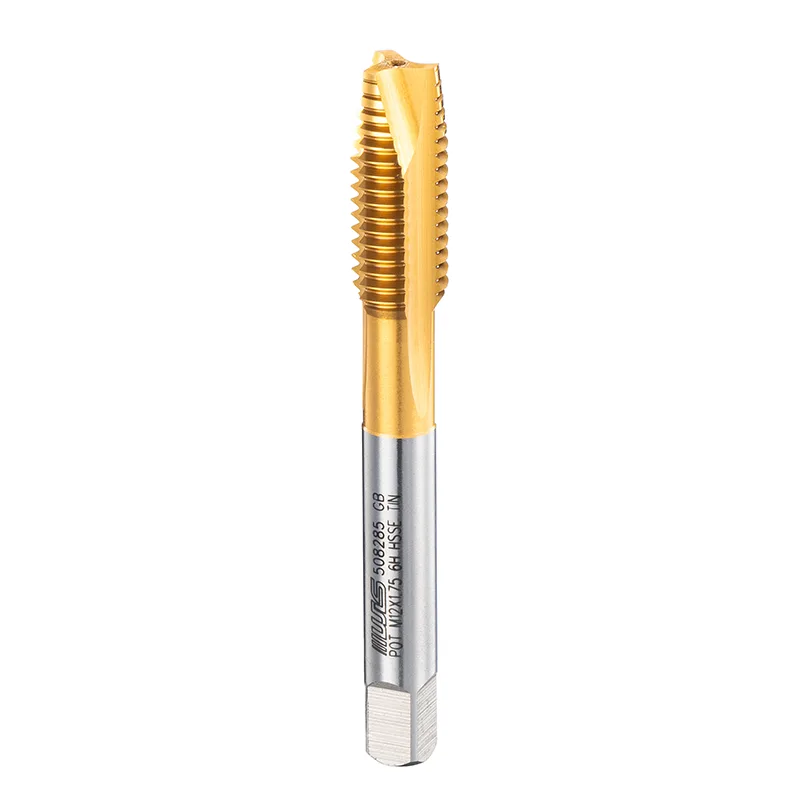
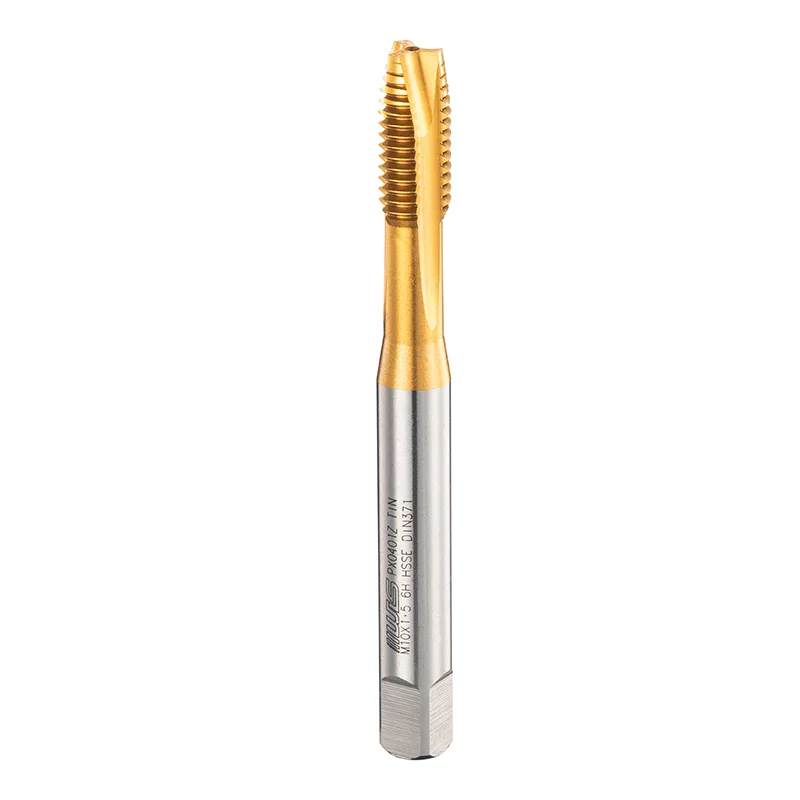
JIS Spiral Flute Taps With Coating are precision cutting tools designed according to Japanese Industrial Standards (JIS), widely recognized for their high dimensional accuracy and reliable performance in threading operations. Unlike standard taps, spiral flute designs are specifically engineered to evacuate chips upward, making them ideal for blind hole threading applications.
The addition of advanced coatings further enhances their performance by reducing friction, improving heat resistance, and extending tool life. These taps are widely used in CNC machining centers, automated production lines, and high-precision metalworking environments where consistency and reliability are essential.
2. Structural Design and Working Principle
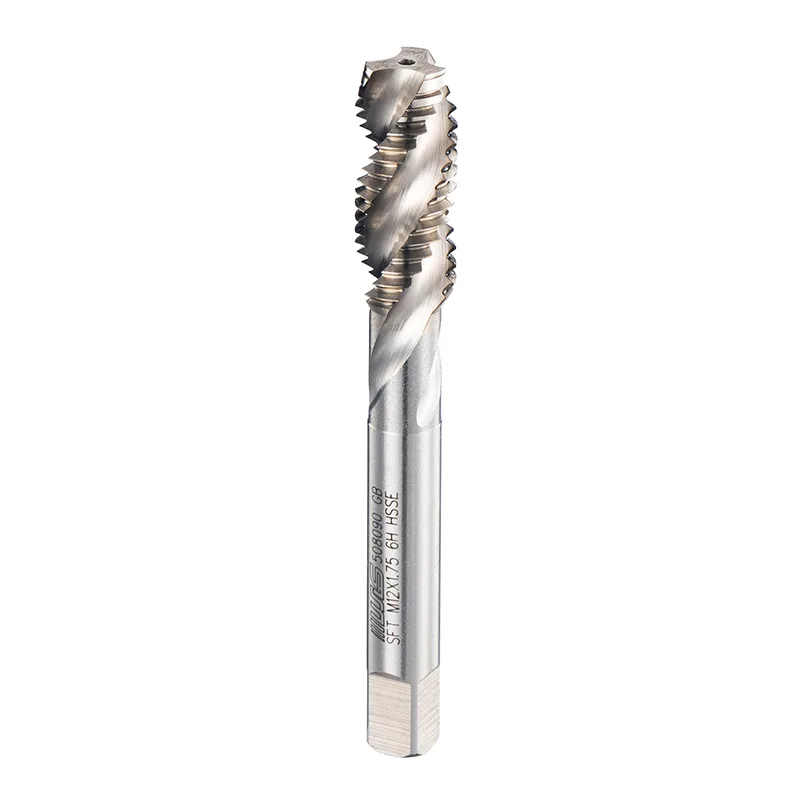
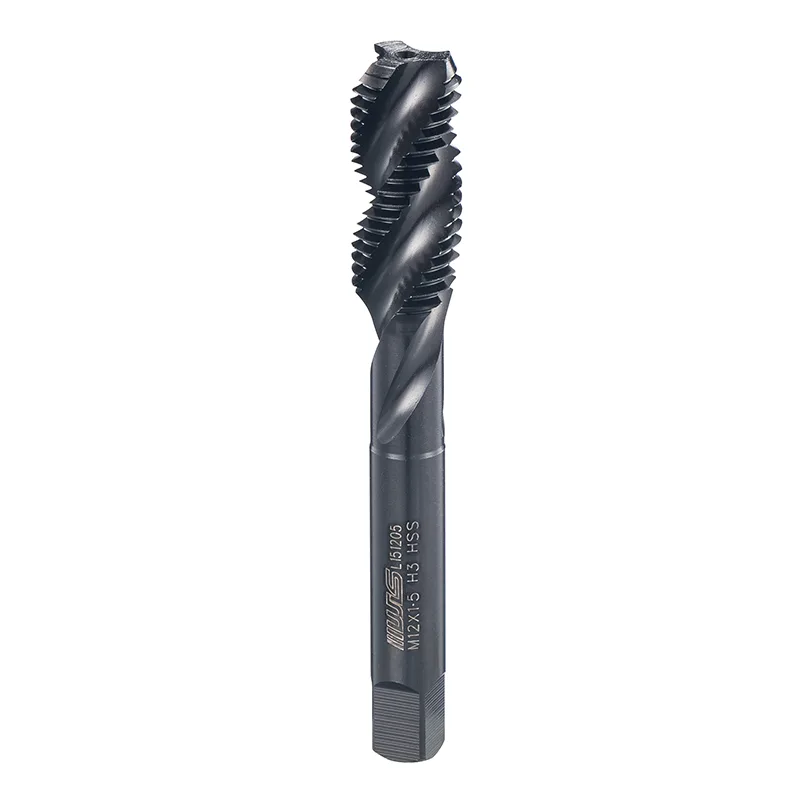
The performance of spiral flute taps largely depends on their geometry and cutting mechanics. The spiral flutes act like helical conveyors, lifting chips away from the cutting zone during threading. This prevents chip accumulation, which is a common cause of tool breakage and thread defects.
Key structural features include:
- Spiral flute angle optimized for chip evacuation
- Precision-ground cutting edges for smooth entry
- Shank designed for high torque resistance
- Coated surface layer for reduced friction
During operation, the tap rotates into the pre-drilled hole, cutting threads while simultaneously pushing chips upward along the flutes. This makes it especially suitable for materials like stainless steel, carbon steel, aluminum alloys, and cast iron.
3. Advanced Coating Technologies and Their Functions
Coating technology is a major factor that differentiates modern high-performance taps from traditional cutting tools. The coating layer acts as a protective barrier between the tool and workpiece, significantly improving durability and machining stability.
| Coating Type | Main Feature | Performance Benefit |
|---|---|---|
| TiN (Titanium Nitride) | Gold-colored universal coating | Reduces wear and increases tool life |
| TiCN (Titanium Carbonitride) | High hardness and low friction | Improved performance in harder materials |
| AlTiN (Aluminum Titanium Nitride) | High-temperature resistance | Suitable for dry or high-speed machining |
| CrN (Chromium Nitride) | Corrosion-resistant layer | Ideal for stainless steel applications |
These coatings significantly reduce heat generation and prevent material adhesion, which is especially important when machining tough or sticky materials.
4. Key Advantages in Industrial Applications
The use of coated spiral flute taps offers multiple advantages that directly address common machining pain points. These benefits are especially valuable in high-volume production environments.
- Improved chip evacuation: Reduces clogging and tool breakage risks.
- Extended tool life: Coating minimizes wear and thermal damage.
- Higher threading accuracy: Ensures consistent thread geometry.
- Reduced machining downtime: Fewer tool changes required.
- Enhanced surface finish: Produces smoother internal threads.
These advantages contribute to lower production costs and improved manufacturing efficiency over time.
5. Coated vs Uncoated Spiral Flute Taps
| Feature | Coated Spiral Flute Taps | Uncoated Spiral Flute Taps |
|---|---|---|
| Wear Resistance | High | Moderate |
| Friction Level | Low | Higher |
| Tool Life | Extended | Shorter |
| Heat Resistance | Excellent | Limited |
| Cost Efficiency | High long-term value | Lower initial cost |
While uncoated taps may appear more economical initially, coated versions provide significantly better long-term value due to reduced replacement frequency and improved machining stability.
6. Industrial Applications and Use Cases
JIS Spiral Flute Taps With Coating are widely used across various industries that demand precision and reliability.
- Automotive industry: Engine components, transmission housings, and structural parts.
- Aerospace manufacturing: High-strength alloy components requiring tight tolerances.
- Mold and die industry: Precision mold cavities and tooling systems.
- General machinery: Mechanical assemblies and equipment manufacturing.
- Electronics industry: Small precision threaded components.
In each of these applications, consistency and reliability are essential, making coated spiral flute taps an indispensable tool.
7. How to Select the Right Spiral Flute Tap
Choosing the correct tap requires careful consideration of material type, hole depth, and machining conditions.
Key selection factors:
- Workpiece material hardness
- Hole type (blind or through-hole)
- Thread size and pitch
- Machine speed and cutting conditions
- Coating compatibility with material
For example, AlTiN-coated taps are ideal for high-speed machining, while TiCN coatings are better suited for harder steels.
8. Usage Tips and Maintenance Guidelines
Proper usage and maintenance significantly extend tool life and improve machining results.
- Always use appropriate cutting fluid for lubrication and cooling
- Ensure correct alignment between tap and hole axis
- Avoid excessive torque during operation
- Clean chips regularly to prevent clogging
- Store tools in a dry, protective environment
Following these practices ensures stable performance and reduces the risk of tool failure.
9. Common Problems and Solutions
| Problem | Possible Cause | Solution |
|---|---|---|
| Tap breakage | Excess torque or poor chip evacuation | Use correct speed and spiral flute design |
| Rough threads | Worn cutting edges | Replace or resharpen tool |
| Chip clogging | Incorrect flute angle | Select appropriate spiral flute geometry |
| Overheating | Insufficient lubrication | Apply suitable cutting fluid |
10. Frequently Asked Questions
Q1: What materials are suitable for JIS Spiral Flute Taps With Coating?
They are suitable for stainless steel, carbon steel, aluminum, and various alloy materials.
Q2: Why is coating important for spiral flute taps?
Coating reduces friction, enhances wear resistance, and improves heat tolerance.
Q3: Are they suitable for blind holes?
Yes, spiral flute design is specifically optimized for blind hole chip evacuation.
Q4: How long does a coated tap last?
Tool life varies depending on application, but coated taps generally last significantly longer than uncoated versions.
Q5: Can they be used in CNC machines?
Yes, they are widely used in CNC machining environments for high-precision threading.
11. Conclusion and Professional Recommendation
JIS Spiral Flute Taps With Coating represent a highly efficient solution for modern threading challenges. Their advanced geometry combined with protective coatings ensures superior performance in demanding machining environments. By improving chip evacuation, reducing tool wear, and enhancing thread quality, they contribute significantly to production efficiency and cost reduction.
For manufacturers seeking reliable and high-performance threading tools, selecting the right coated spiral flute tap is a strategic investment in long-term productivity.
Taizhou Hongyi Precision Tools Co.,Ltd. specializes in manufacturing high-quality cutting tools designed for precision machining applications. With advanced production technology and strict quality control systems, the company delivers stable and durable tooling solutions for global customers.
If you are looking for professional-grade tapping tools that improve machining efficiency and reduce operational costs, contact us today to explore customized solutions tailored to your industrial needs.
Related News
- Why Are ISO Spiral Point Taps With No Coating Still a Preferred Choice for Precision Threading?
- Why Are JIS Extended Spiral Flute Taps Essential for Precision Threading?
- Why Are DIN Spiral Flute Taps With Coating Essential for High-Precision Threading?
- How Do DIN Extended Spiral Flute Taps Improve Deep Hole Threading Performance?
- What Makes ISO Spiral Flute Taps With No Coating a Smart Choice for Precision Threading?
- Why Are JIS Rolling Taps Essential for Modern Precision Threading?
Leave me a message