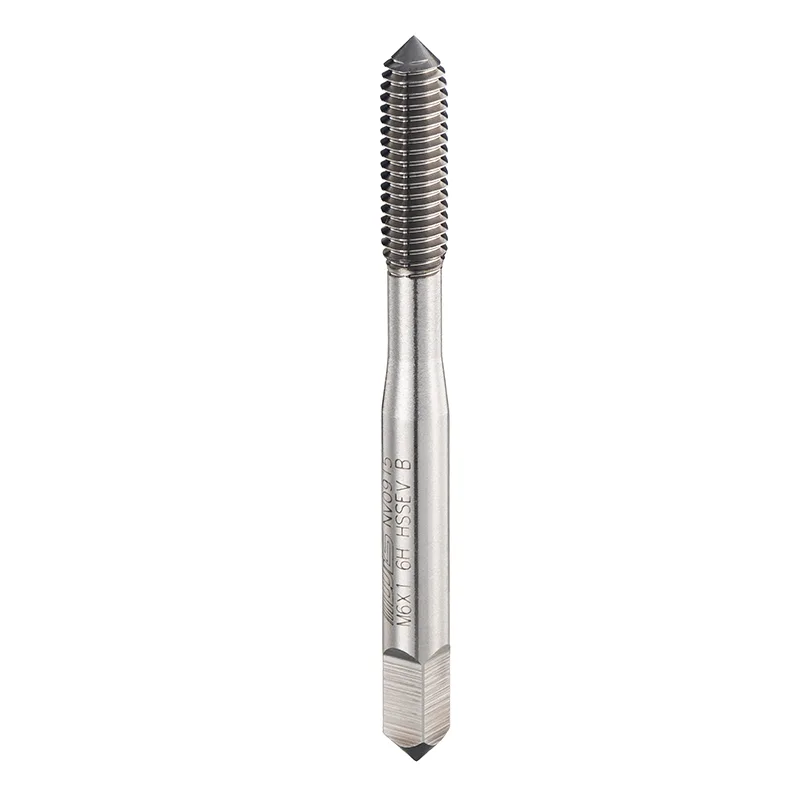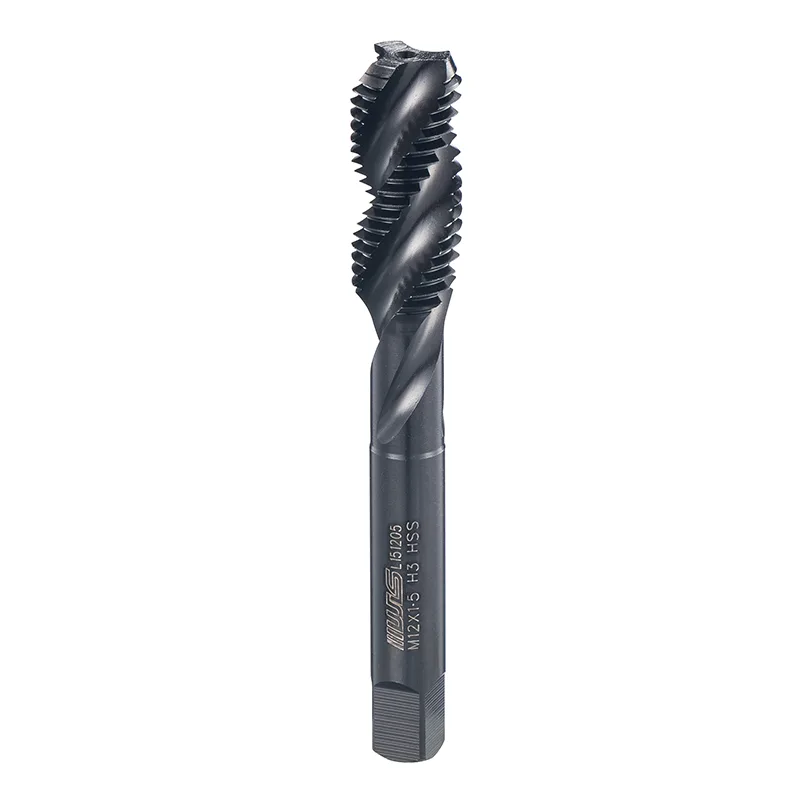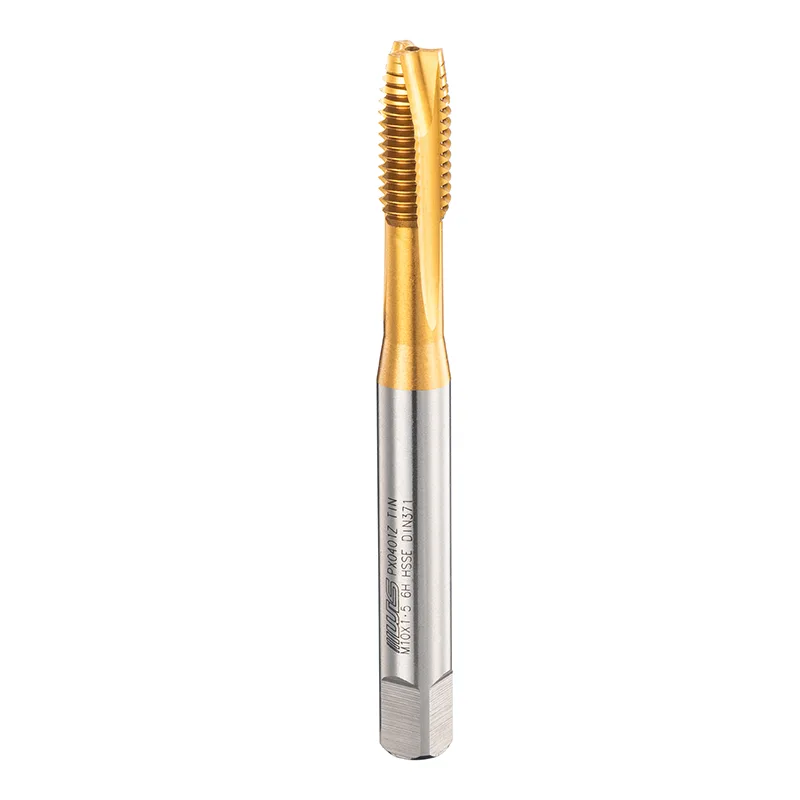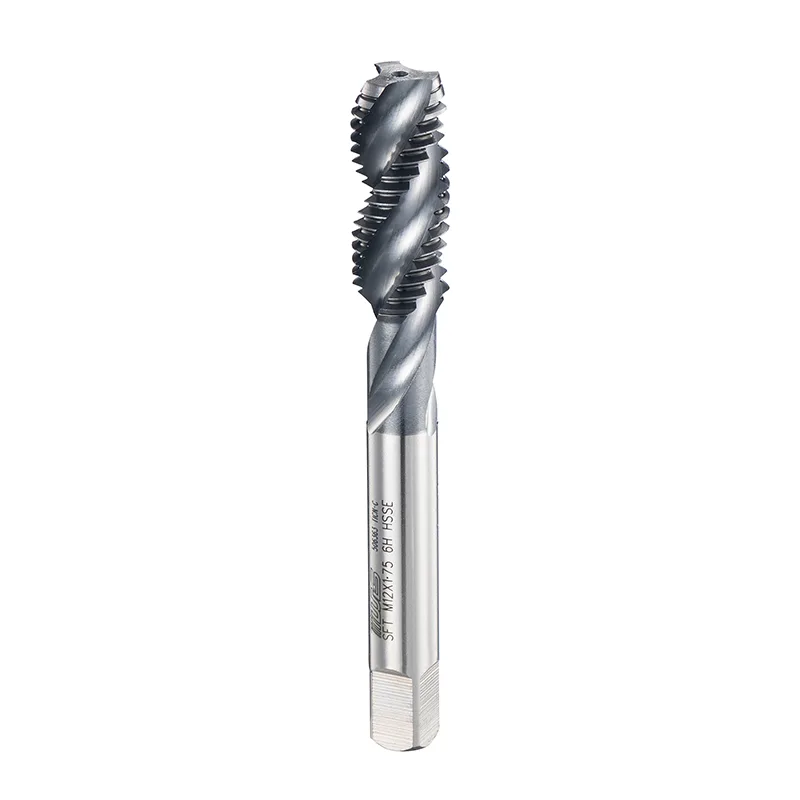
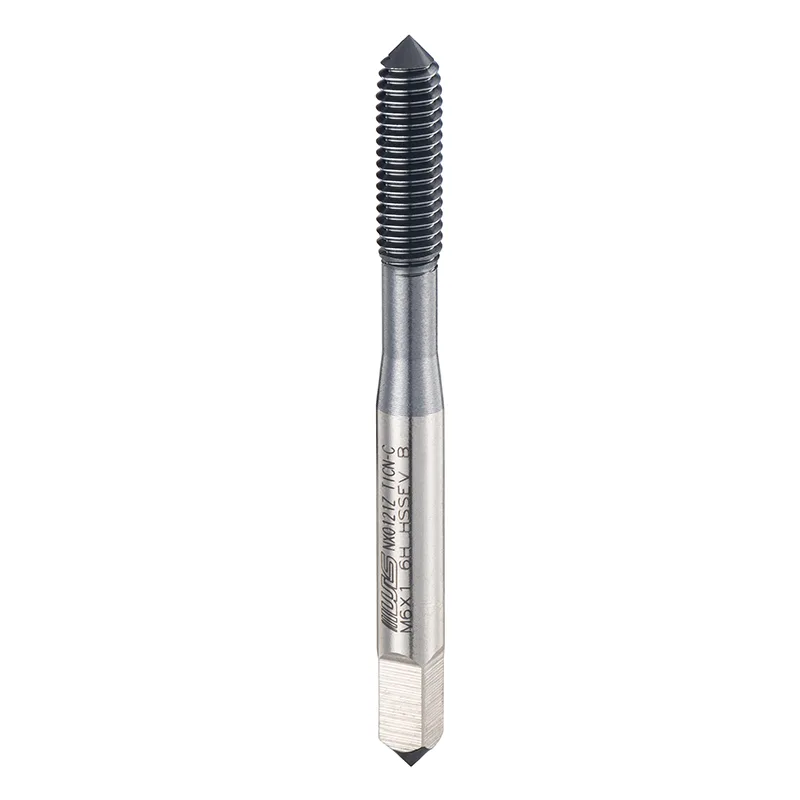
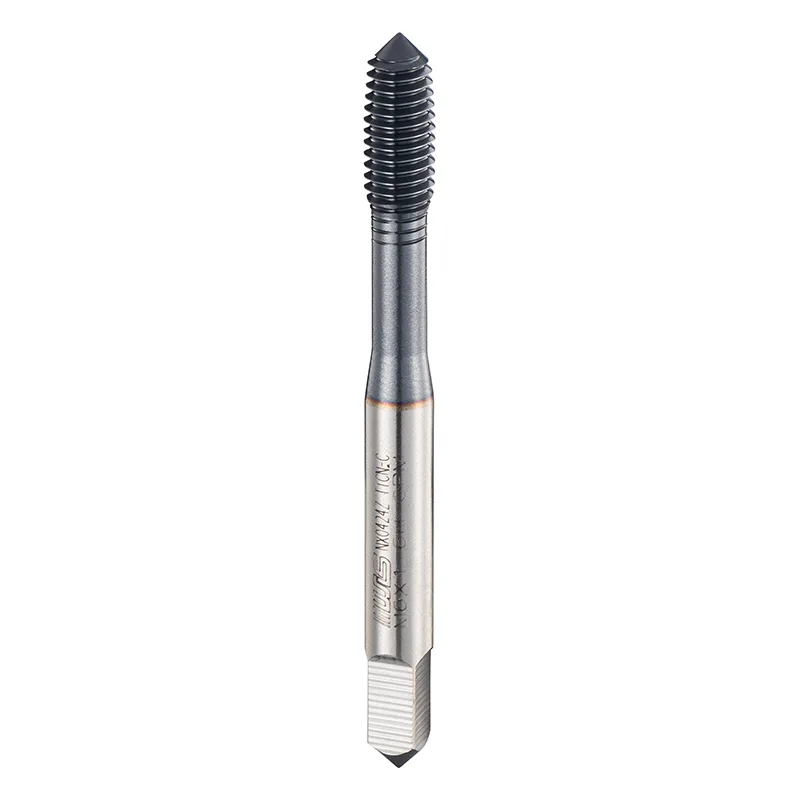
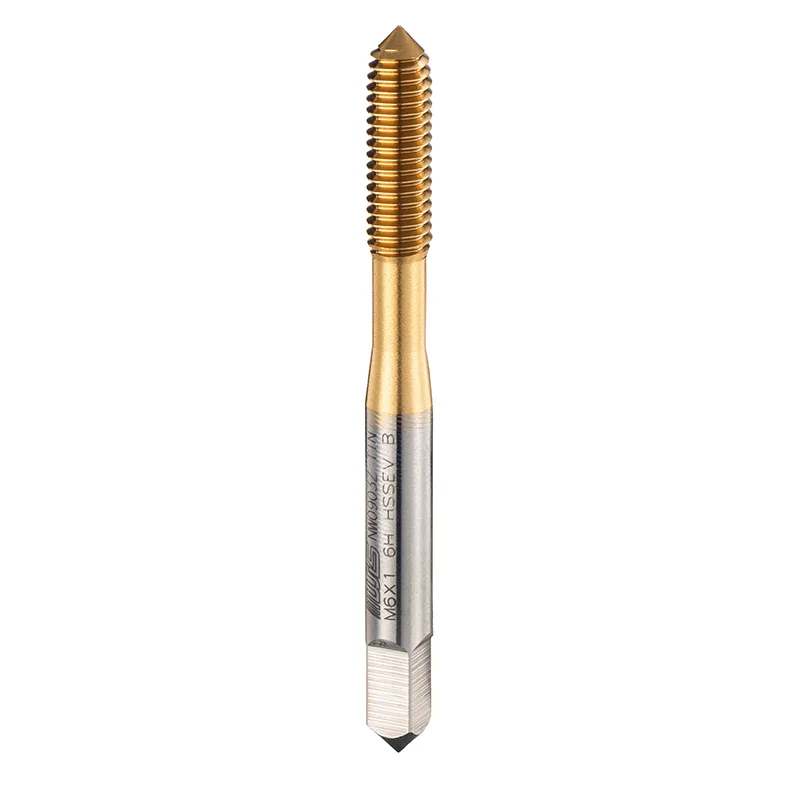
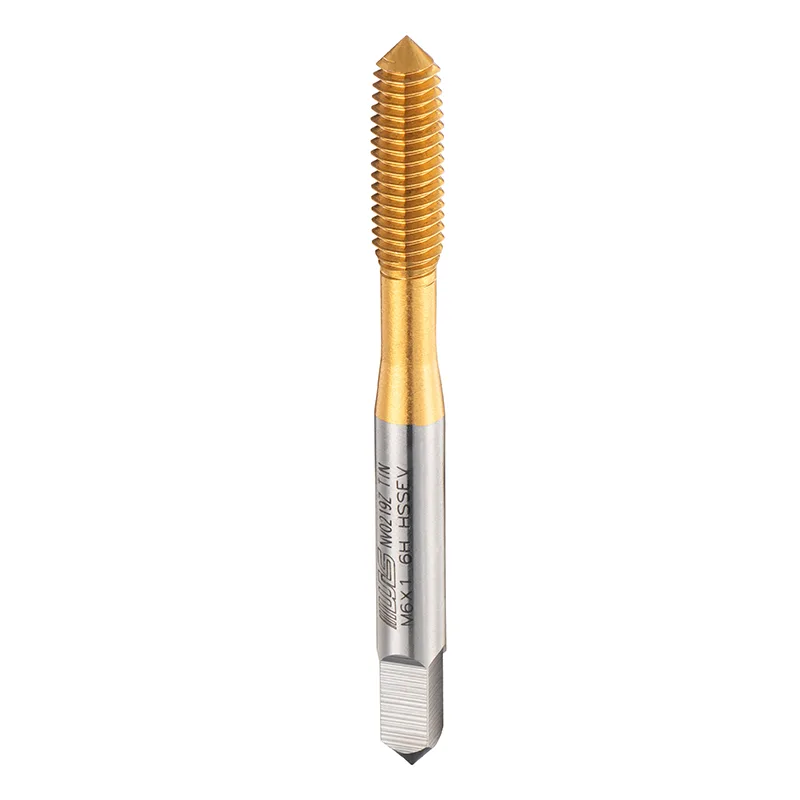
JIS Rolling Taps With Coating
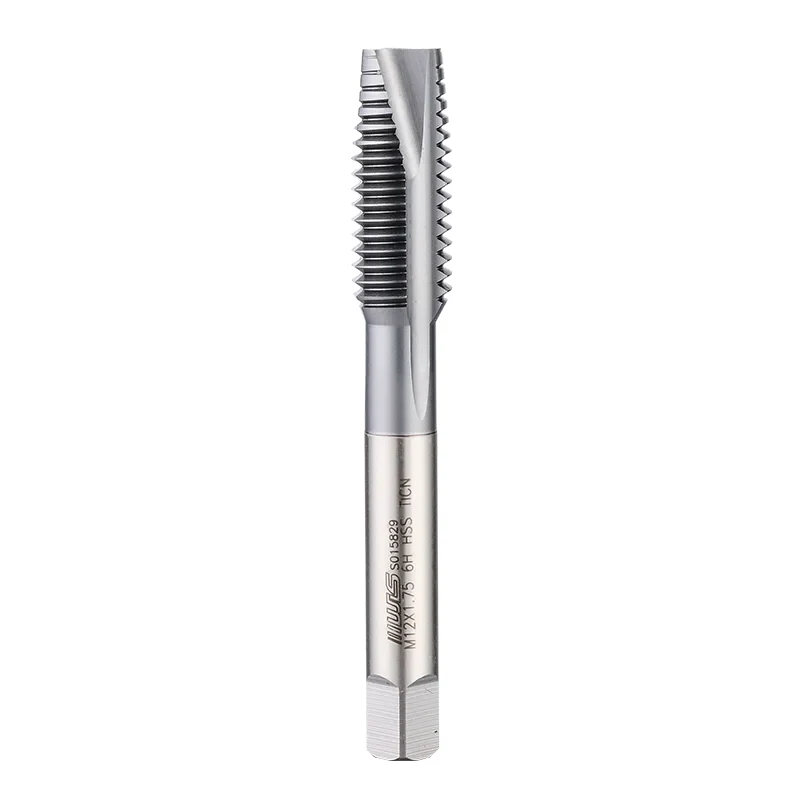
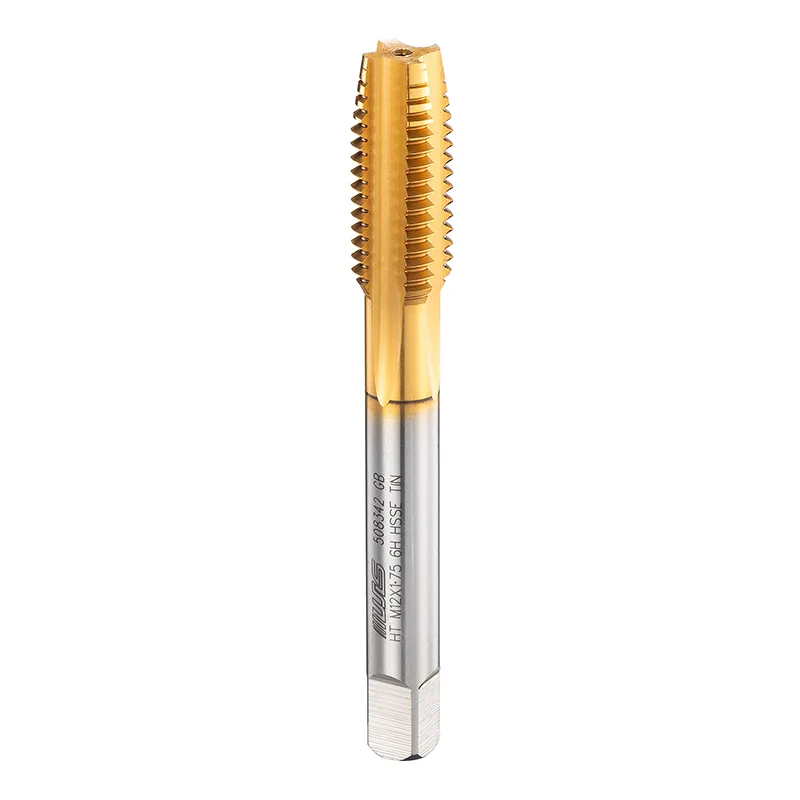
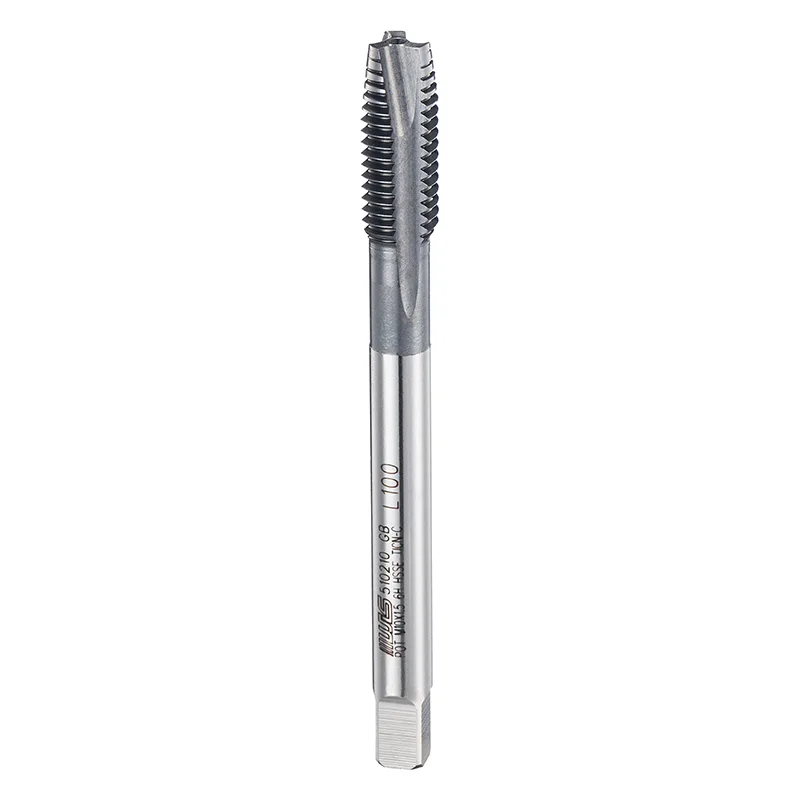
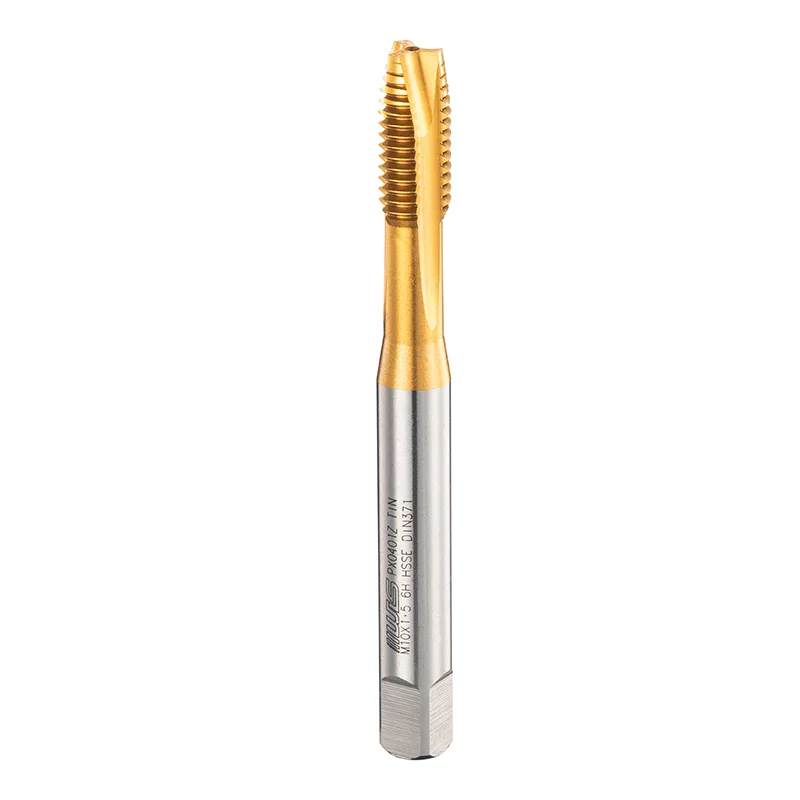
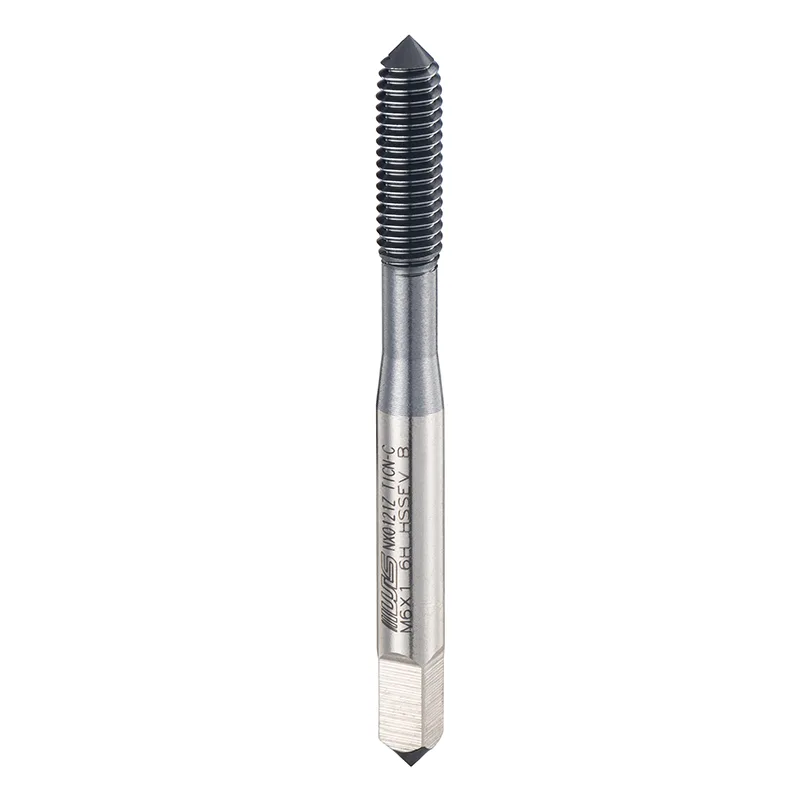
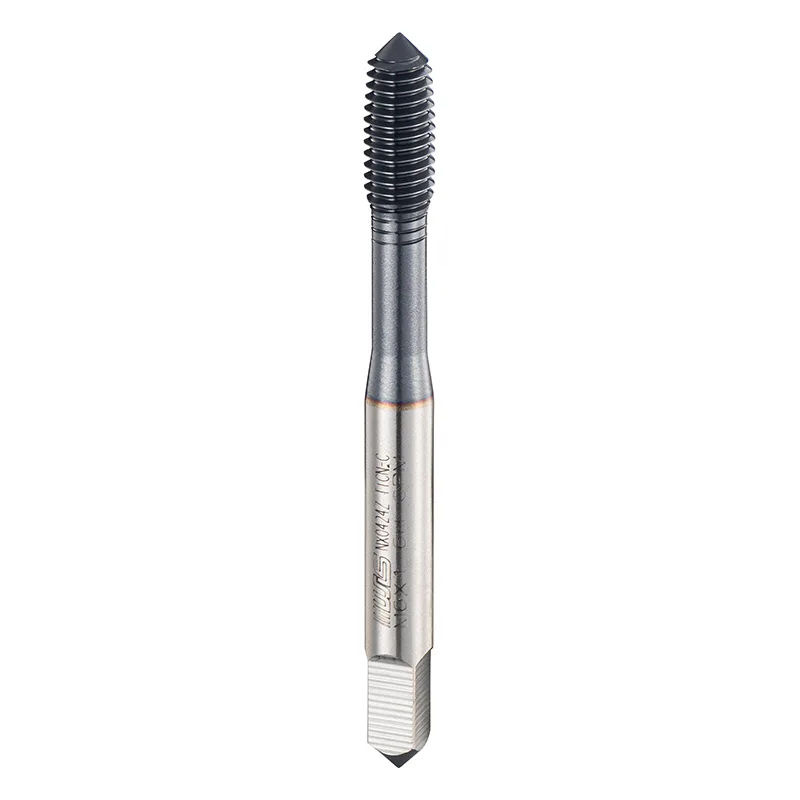
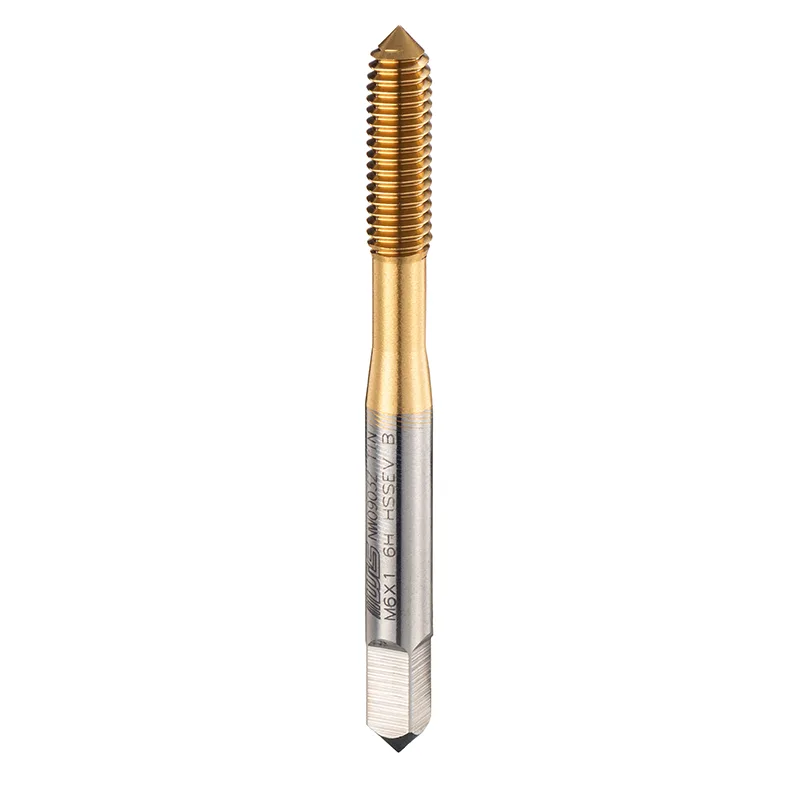
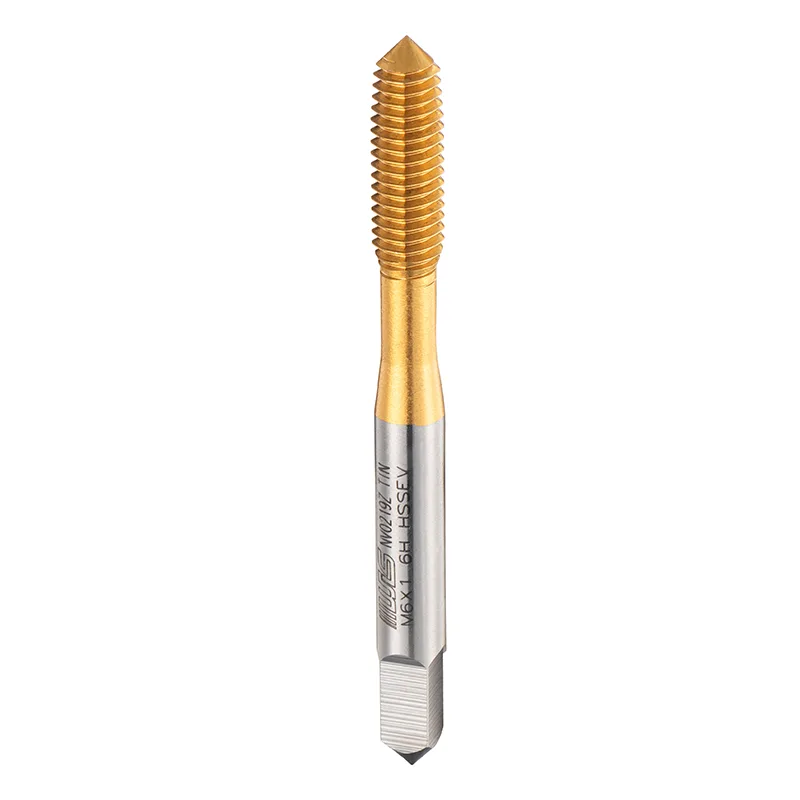
Wilson JIS Rolling Taps With Coating is a high-end chipless extrusion threading tool. Strictly adhering to JIS standards, it utilizes cold extrusion forming technology and features high-performance coatings such as TiN and TiCN, specifically designed for machining difficult-to-machine materials like aluminum alloys and stainless steel. As a leading Chinese manufacturer deeply rooted in the tool manufacturing industry, Wilson leverages its rigorous quality control system and mature supply chain to create coated rolling taps that combine high efficiency, long lifespan, and high stability. Widely used in industries such as automotive and precision machinery, these taps are an ideal choice for precision thread machining.
Wilson JIS Rolling Taps With Coating integrates chipless forming, a highly wear-resistant coating, and stringent quality control, providing a highly efficient solution for precision thread machining. Originating from its factory in China, Wilson leverages its manufacturer expertise and supplier reliability to provide high-quality tools and end-to-end support to global customers, helping companies achieve efficient, stable, and low-cost thread machining production.
Core Technologies and Advantages of the Product
1. Chipless Cold Extrusion Forming for Superior Thread Quality
Unlike traditional cutting taps, Wilson JIS Rolling Taps With Coating utilizes a chipless cold extrusion forming process. Through extrusion, the metal material is plastically deformed to form threads, eliminating chip generation and avoiding chip evacuation problems. The resulting threads possess high strength and high surface finish, with higher surface precision and tensile strength superior to cutting threads, making them suitable for machining plastic materials and various ductile metals.
2. High-Performance Coating for Significantly Enhanced Durability
The tool surface is coated with high-performance coatings such as TiN (titanium nitride) and TiCN (titanium carbonitride), effectively providing the tool with a super-hard "armor." The coating significantly reduces machining friction resistance, improves wear resistance and anti-adhesion properties, reduces machining torque, effectively prevents built-up edge formation, and extends tool life by 3-5 times, easily handling challenging materials such as stainless steel and aluminum alloys.
3. Stringent JIS Standards for Precision Machining in Multiple Scenarios
The products are designed and manufactured strictly according to Japanese industrial standards, ensuring high geometrical precision and consistency. Adaptable to various machining scenarios including through holes and blind holes, this tool can reliably machine commonly used threads from M3 to M12, balancing high efficiency and high precision to meet the mass production needs of industries such as precision machinery, automotive parts, and electronic equipment.
Strict End-to-End Control
1. Carefully Selected Raw Materials
Utilizing high-quality high-speed steel as the base material, balancing toughness and hardness to ensure the fundamental performance of the cutting tool from the source.
2. Precise Heat Treatment Control
Employing digital heat treatment technology, temperature and time are precisely controlled to ensure uniform tool hardness and stable internal stress, preventing breakage during machining.
3. Precision Grinding and Coating
High-precision grinding processes ensure sharpness and dimensional accuracy of the cutting edge; the coating uses vacuum ion plating technology to ensure a uniform and dense coating, free from peeling and defects.
End-to-end control ensures high consistency in the geometry and coating uniformity of each tap, effectively reducing problems such as tap breakage and thread defects during machining, providing users with stable and reliable production assurance.
Real-world Application Case
Case Study: Thread Machining of Aluminum Alloy Transmission Housings in Automobiles
1. Customer Pain Points
A domestic automotive parts manufacturer was machining M6×1.0 internal threads on aluminum alloy transmission housings. The original use of ordinary cutting taps resulted in problems such as difficult chip removal, rough thread surfaces, and short tool life (wearing out after only 80 holes), leading to low efficiency and high costs in mass production.
2. Solution
The manufacturer switched to Wilson JIS Rolling Taps With Coating (TiN coating, M6 specification), using a dedicated aluminum alloy cutting fluid, with a recommended spindle speed of 1200 rpm and a feed rate of 1.0 mm/r.
3. Application Results
- Chip-free machining completely solved the chip removal problem; the thread surface finish reached Ra≤0.8μm, meeting the requirements of precision parts.
- Tool life increased to 450 holes/piece, 5.6 times that of the original taps, significantly reducing tool change frequency and tool costs.
- Machining torque decreased by 30%, reducing equipment load and increasing production efficiency by 40%, helping the customer achieve efficient and stable mass production.
Professional Service Support
1. Stable Supply Chain, Fast Delivery
Leveraging a comprehensive global supply chain system, Wilson, as a reliable supplier, ensures fast and stable product delivery, shortening customer procurement cycles and meeting urgent order needs.
2. End-to-End Product Traceability, Worry-Free After-Sales Service
A clear product traceability system is established, with each tap having a unique identifier, allowing traceability of raw materials, production processes, testing data, and other information throughout the entire process, providing a reliable basis for resolving potential problems.
3. Customized Technical Support
One-on-one technical consultation services are provided. Based on the customer's processing materials, equipment, thread specifications, and other requirements, suitable products and processing parameters are recommended to help customers optimize processes and improve processing efficiency.
Wilson JIS Rolling Taps With Coating Parameter (Specification)
|
Parameter Category |
Specification Description |
Technical Indicators |
Remarks |
|
Material |
Hardness |
HRC 63 - 66 |
High core hardness ensures durability and resistance to wear during forming. |
|
Application |
Suitable Workpiece Materials |
Aluminum, Copper, Brass, Low Carbon Steel, Cast Iron |
Designed for use on materials with good ductility. |
FAQ
Q1: What materials are Wilson JIS Rolling Taps With Coating suitable for processing?
A1: This product is suitable for ductile materials, including aluminum alloys, copper alloys, low-carbon steel, medium-carbon steel, and stainless steel (SUS304/316), etc.; it is not suitable for processing brittle or high-hardness materials such as cast iron, ceramics, and hardened steel to avoid tool wear or breakage.
Q2: How to choose the appropriate pilot hole diameter?
A2: The pilot hole diameter for cold extrusion threads must be larger than that for machined threads to avoid excessive extrusion resistance leading to taper breakage. Reference standards: M3 (pilot hole φ2.8), M4 (φ3.7), M5 (φ4.6), M6 (φ5.5), M8 (φ7.3); when machining stainless steel, the pilot hole diameter can be appropriately increased by 0.1-0.2mm, and a special cutting fluid must be used.
Hot Tags: JIS Rolling Taps With Coating, Manufacturer, Supplier, Wholesale, China
Related Category
Send Inquiry
Contact Info
-
Address
North Jiulong Industrial Park, Chenxi Street, Wenling City, Zhejiang Province, China.
-
Tel
-
E-mail
If you have any enquiry about quotation or cooperation, please feel free to email us at susu@hywilson.com or use the following inquiry form. Our sales representative will contact you within 24 hours.