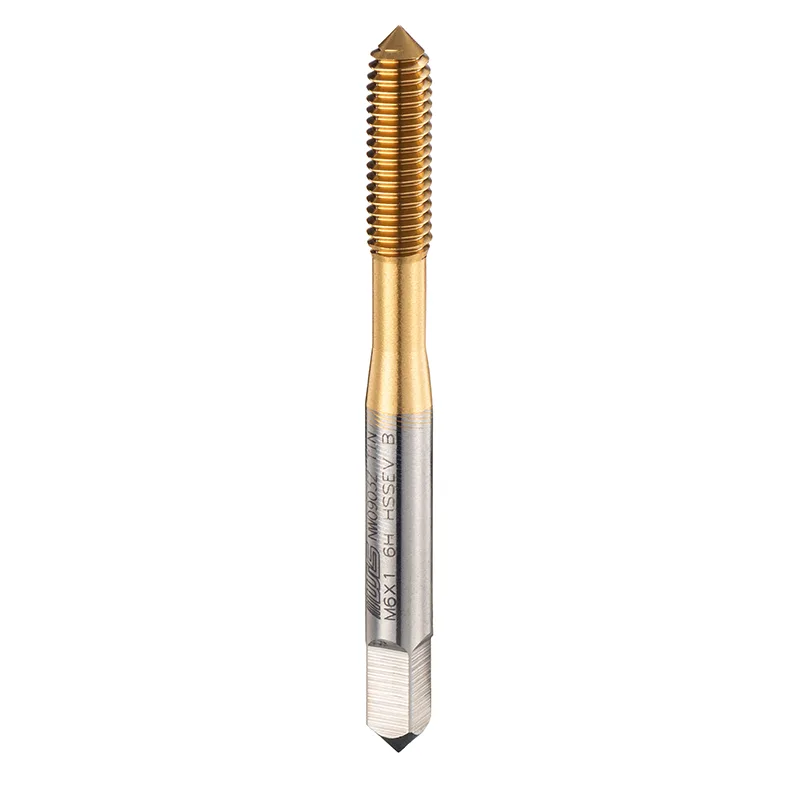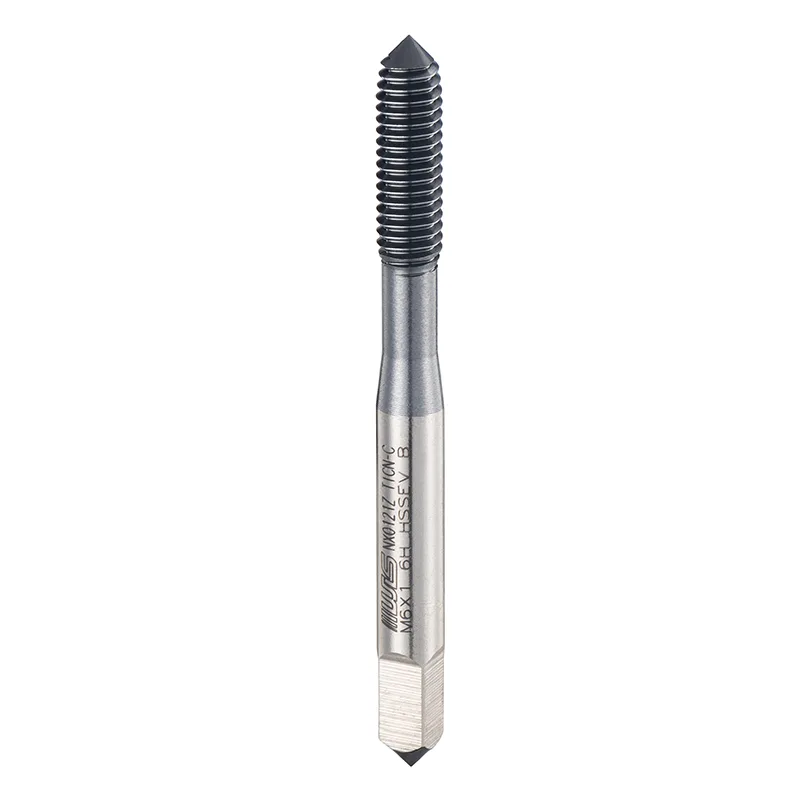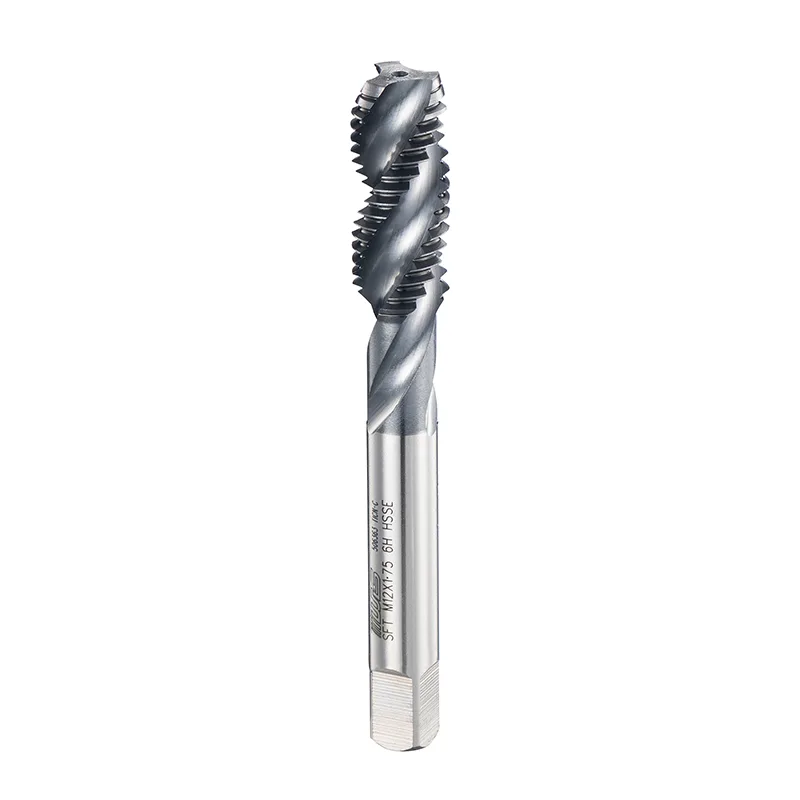
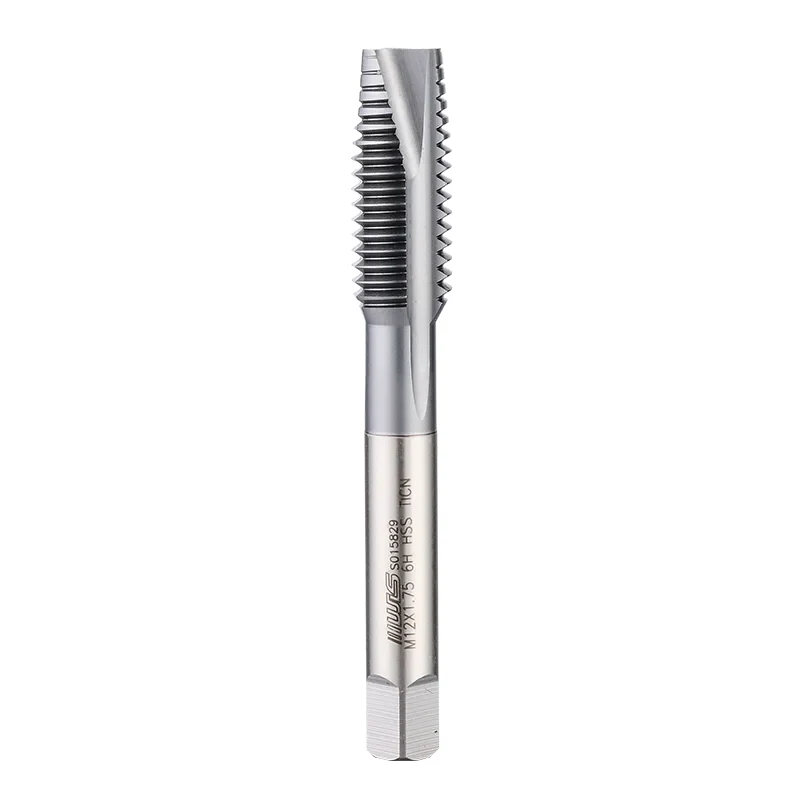
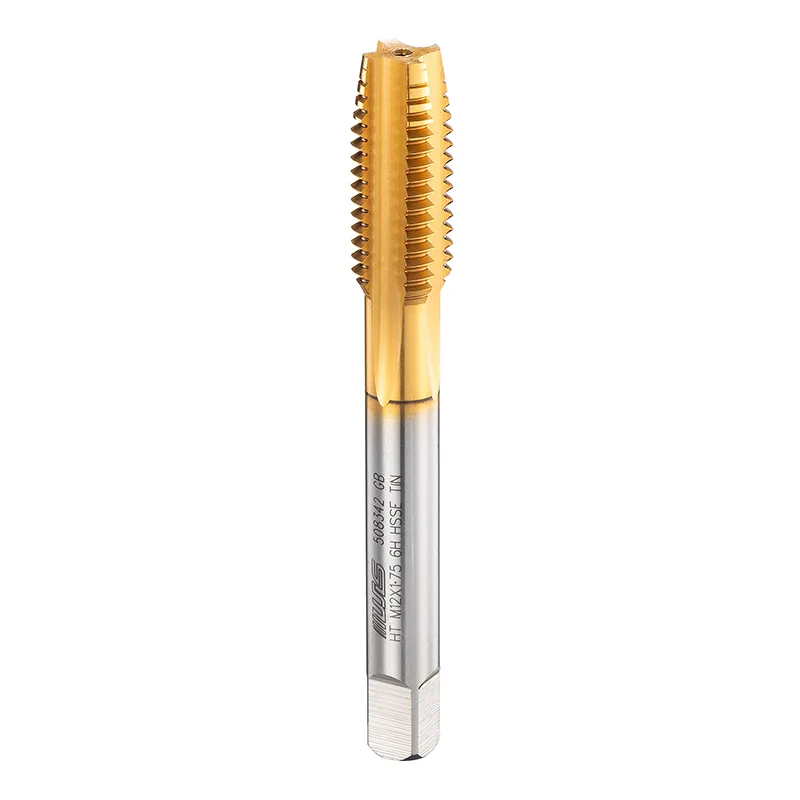
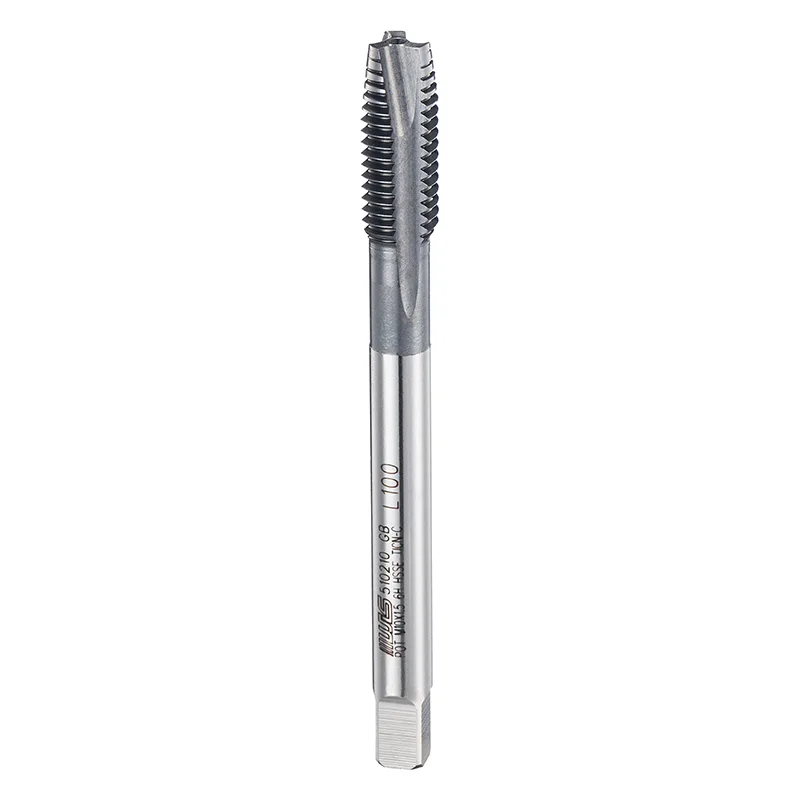
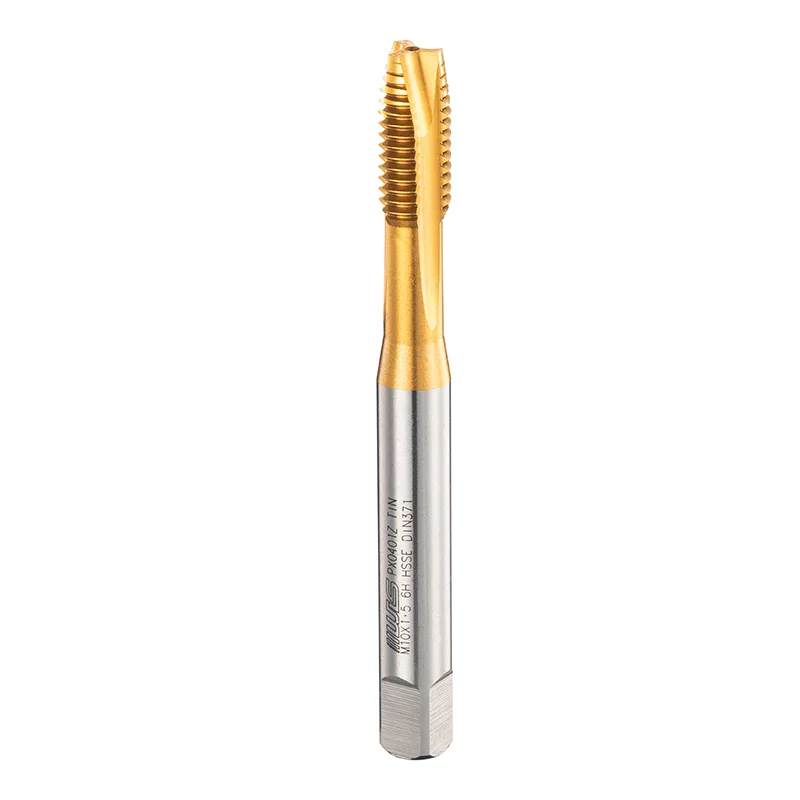
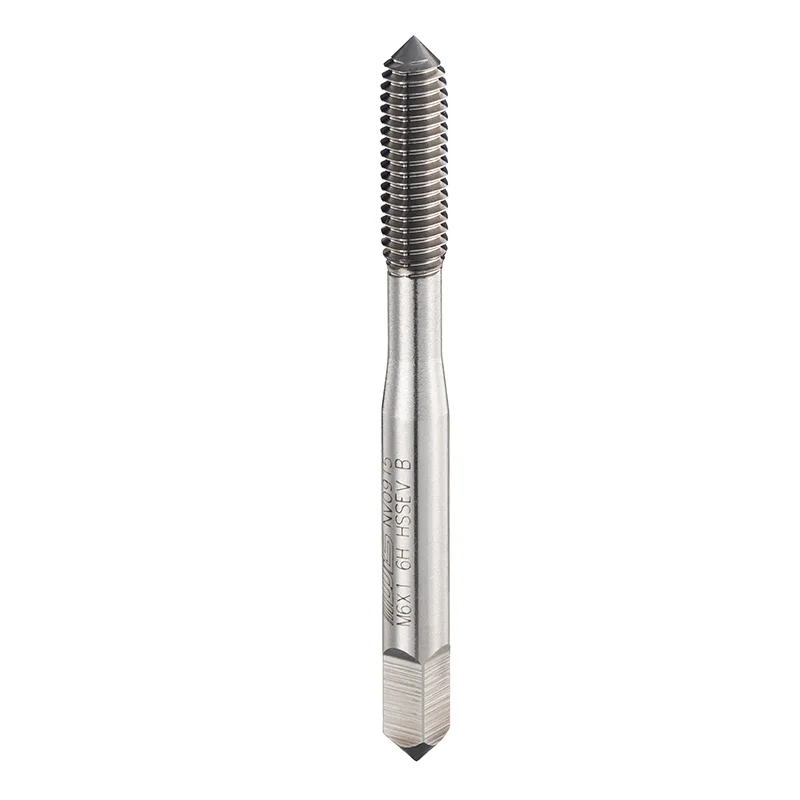
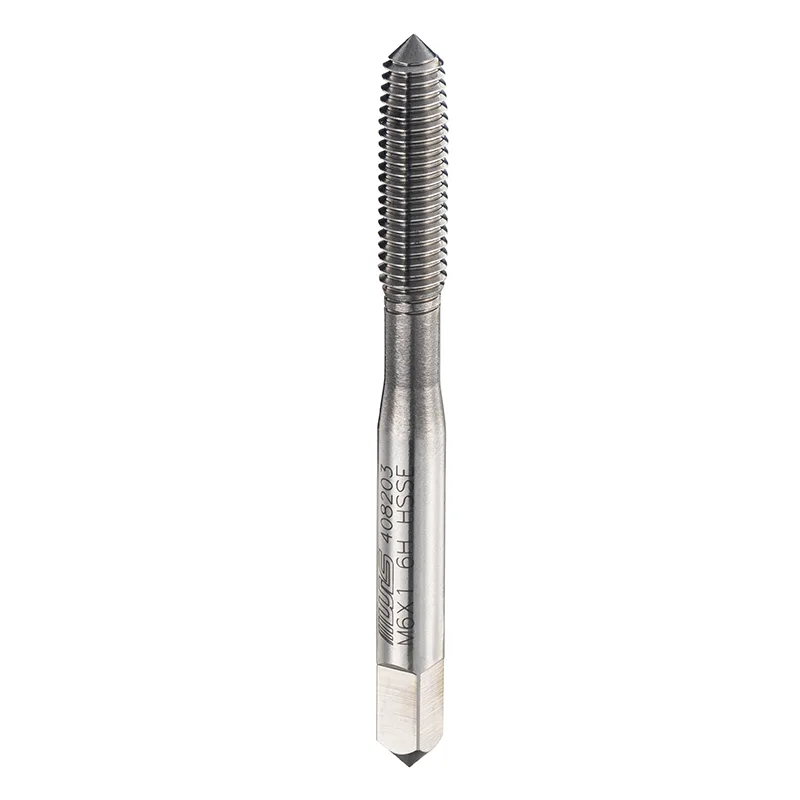
JIS Rolling Taps With No Coating
Wilson JIS Rolling Taps With No Coating are basic chipless threading tools conforming to Japanese Industrial Standards (JIS), meticulously crafted by Wilson, a professional tool manufacturer in China. Made from high-quality high-speed steel (HSS) using precision heat treatment and grinding processes, these tools utilize the cold extrusion chipless forming principle, specifically designed for machining high-strength, high-smooth threads on ductile materials such as aluminum alloys, copper, and low-carbon steel. As a benchmark product offering high cost-effectiveness, it boasts three core advantages: low procurement cost, stable operation, and easy resharpening and reuse. It is the preferred choice for economical mass production by small and medium-sized enterprises. Wilson, as a reliable supplier, provides stable supply and professional technical support, suitable for threading scenarios in various fields such as automotive, electronics, and general machinery.
Wilson JIS Rolling Taps With No Coating are basic threading tools designed strictly according to JIS standards. Unlike cutting taps, their core principle is to induce plastic deformation of the metal through a cold extrusion process, generating no chips throughout the entire process, completely avoiding thread damage and tool breakage caused by poor chip removal.
The product base material is made of high-speed high-speed steel (HSS), undergoing multiple precision heat treatment and grinding processes to balance hardness, toughness, and wear resistance, meeting long-term stable machining requirements. As a classic model from the Wilson factory, this product focuses on "economic practicality," providing a reliable and low-cost threading solution for mass production.
Core Product Advantages
1. High Cost-Effectiveness
Compared to expensive coated taps, Wilson JIS Rolling Taps With No Coating significantly reduce procurement costs. Companies can start production with a smaller budget or stock more cutting tools with the same budget, reducing the risk of production downtime.
For mass production lines with strict cost control, primarily machining materials such as aluminum alloys, copper, and low-carbon steel, this product can significantly reduce fixed asset investment and shorten the cost recovery period, making it an ideal choice for economical and practical production.
2. Stable Performance
When machining soft or sticky materials (such as aluminum alloys and copper), the uncoated surface avoids the risk of coating peeling. Coated taps are prone to coating peeling under certain working conditions, leading to decreased thread accuracy and accelerated tool wear. The uncoated design avoids this problem, resulting in a more stable machining process.
Simultaneously, the cold extrusion forming process improves the surface finish and strength of the thread, and the formed thread accuracy meets JIS standards, making it suitable for scenarios with basic requirements for thread quality.
3. Durable and Easy to Maintain
The product has a simple structure, and its performance can be restored through professional grinding after wear, achieving "reuse" and significantly reducing long-term operating costs. With the excellent toughness and wear resistance of the high-speed steel base material, its service life is stable under normal working conditions. Combining the advantages of "low purchase price, worry-free use, and convenient maintenance," it has irreplaceable value in specific machining fields.
Real-world Application Case
Case 1: A car parts processing plant in South China (processing low-carbon steel connectors)
- Pain Points: High purchase cost of existing coated taps; rapid tool wear and high production costs when batch processing M6×1 low-carbon steel bolt holes.
- Solution: Replace with Wilson JIS Rolling Taps With No Coating, employing cold extrusion chipless machining, adapted to the plastic deformation characteristics of low-carbon steel.
- Results: Tool purchase cost reduced by 40%; number of workpieces that can be processed per tap increased by 25%; thread strength and surface finish met standards; no coating peeling issues; stable production line operation; cost recovery period shortened by 30%.
Applicable Scope
1. Compatible Materials: Aluminum alloys, copper, low-carbon steel (C content < 0.25%), brass, and other metals with good plasticity.
2. Applicable Scenarios: Batch thread processing of automotive parts, electronic components, general machinery, hardware products, etc., especially suitable for cost-sensitive applications where high hardness and wear resistance are not required.
3. Machining Type: Through-hole and blind-hole thread forming, conforming to JIS standard thread specifications.
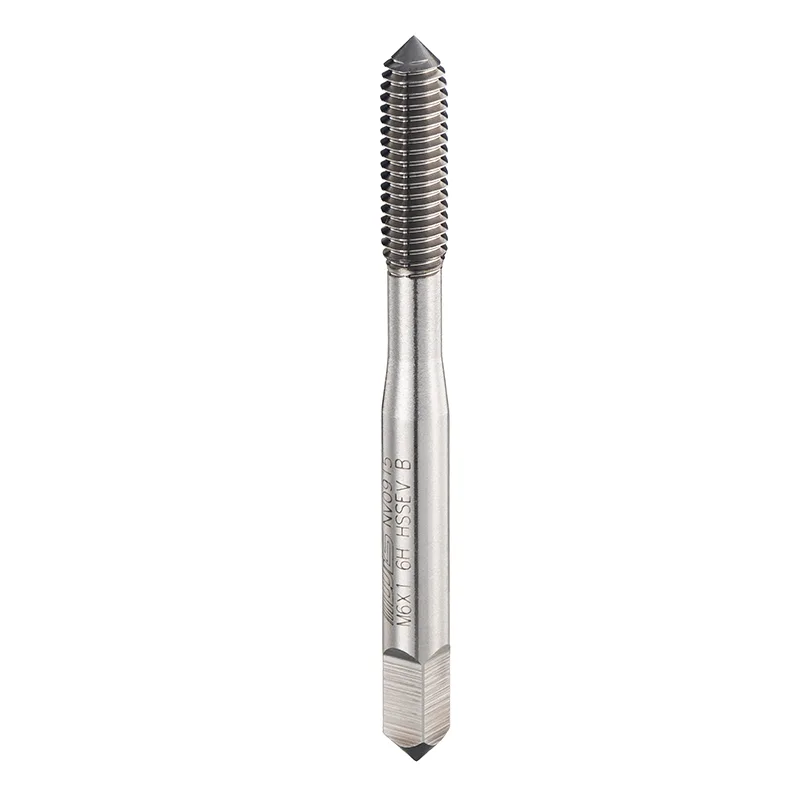
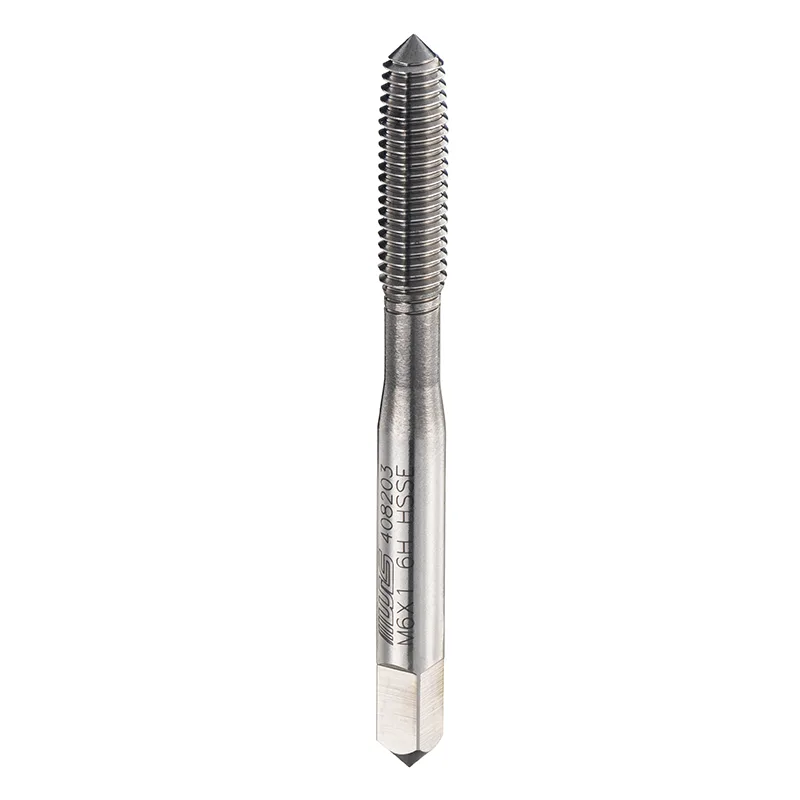
Wilson JIS Rolling Taps With No Coating Parameter (Specification)
|
Parameter Category |
Specification Description |
Technical Indicators |
Remarks |
|
Dimensional |
Tolerance Grade |
6H |
Standard tolerance class for general engineering |
|
Performance |
Applicable Materials |
Alloy Steel, Stainless Steel, Cast Iron |
Suitable for tougher materials due to PM-HSS core |
FAQ
Q1: What is the core difference between Wilson JIS Rolling Taps With No Coating and coated taps?
A1: The core differences lie in three aspects: cost, working condition adaptability, and maintenance method. Uncoated taps have lower procurement costs, are suitable for soft/sticky materials, and can be repaired and reused; coated taps (such as TiN/TiCN coatings) have stronger wear resistance, are suitable for difficult-to-machine materials such as stainless steel and alloy steel, but are more expensive, and the coating cannot be repaired after peeling.
Q2: Are there any special requirements for the pilot hole size when using this tap?
A2: There are strict requirements. Extrusion taps form threads through metal plastic deformation, and the pilot hole diameter must be larger than the minor diameter of the thread (unlike cutting taps). A pilot hole that is too small will result in excessive torque and tool breakage; a pilot hole that is too large will result in incomplete thread profile and insufficient strength. It is recommended to refer to the JIS standard pilot hole reference table and accurately control the pilot hole size based on the material being machined.
Wilson JIS uncoated extrusion taps are basic threading tools developed by Wilson focusing on "economic practicality." Supported by three core strengths—JIS standard compliance, high-speed steel base material, and cold extrusion chip-free process—they offer advantages such as low cost, high stability, and easy maintenance.
As a reliable tool supplier and manufacturer in China, Wilson ensures product quality with mature processes and adapts its high-performance, cost-effectiveness to the mass production needs of small and medium-sized enterprises. They are the preferred solution for threading materials such as aluminum alloys, copper, and low-carbon steel, helping companies achieve their goals of cost reduction, efficiency improvement, and stable production.
Hot Tags: JIS Rolling Taps With No Coating Manufacturer, Supplier, Wholesale
Related Category
Send Inquiry
Contact Info
-
Address
North Jiulong Industrial Park, Chenxi Street, Wenling City, Zhejiang Province, China.
-
Tel
-
E-mail
If you have any enquiry about quotation or cooperation, please feel free to email us at susu@hywilson.com or use the following inquiry form. Our sales representative will contact you within 24 hours.